
Container Gardens
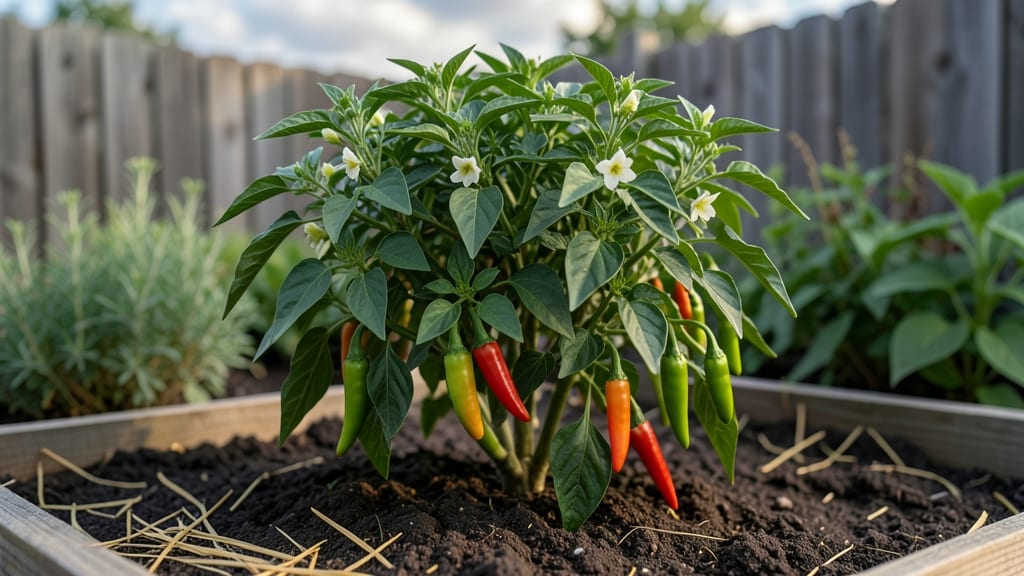
Growing cayenne chili peppers in just 90 days means fiery harvests even in small spaces. 🌶️ I’ve grown them in pots on my balcony, and the secret isn’t just heat—it’s timing, soil, and a little patience.
These peppers pack serious punch, and with the right setup, you’ll go from seed to spice in record time. Start with well-draining potting mix and a 5-gallon container—cayennes hate soggy roots. Plant seeds indoors 8-10 weeks before last frost, or buy sturdy transplants if you’re short on time.
They’ll need 6+ hours of direct sun daily, so a south-facing window or grow light works for indoor starters. By mid-summer, you’ll be picking bright red, finger-length peppers with 50,000-100,000 Scoville units of heat.
Prune sparingly to encourage bushier growth, and fertilize lightly every 2-3 weeks with balanced organic fertilizer. The key? Consistent watering—keep soil moist but never waterlogged. Small-space gardeners can grow cayennes in hanging baskets or stackable pots, and they pair well with basil or marigolds to deter pests.
Whether you’re drying them for powder or freezing for salsas, the harvest is worth the wait!
📚 In This Guide
- What you need
- Instructions
- Tips and common mistakes
- Wrapping up and next steps
What you need
- ● Cayenne pepper seeds: 3–5 seeds per container (or 1–2 seedlings if starting with plants). Opt for Capsicum annuum varieties like 'TAM Mild' or 'Jalapeño M' for milder heat, or 'Carolina Reaper' for extreme spice!
- ● Containers: 5–10 gallon pots (minimum 12" deep) with drainage holes. Use lightweight materials like fabric or plastic for mobility.
- ● Potting mix: 3–5 gallons of well-draining, organic-rich soil (e.g., Miracle-Gro Potting Mix or homemade blend: 60% peat moss, 20% perlite, 20% compost).
- ● Fertilizer: Balanced 10-10-10 or tomato/vegetable-specific fertilizer (e.g., Espoma Garden-Tone). Start with 1 tbsp per plant at planting.
- ● Watering can or hose: With a gentle spray nozzle to avoid disturbing soil.
- ○ Support (optional but helpful): Small stakes or cages (18–24" tall) for taller varieties.
- ● Gloves: Heavy-duty gardening gloves (cayenne peppers can irritate skin!).
- ● Pruning shears: For trimming leggy stems or harvesting.
- ● pH test kit: Ideal soil pH for cayennes: 6.0–6.8. Adjust with lime (to raise pH) or sulfur (to lower) if needed.
- ● Mulch: Straw or shredded leaves (2–3 inches) to retain moisture and regulate temperature.
- ○ Grow lights (optional): LED full-spectrum lights (12–14 hours/day) if growing indoors or in low-light areas.
- ● Insect netting: Fine mesh to protect from pests like aphids or hornworms.
Step-by-Step guide to growing cayenne chili peppers
Here’s how to cultivate fiery cayenne peppers from seed to harvest in just three months.
🌱 Step 1: Start Seeds Indoors 8-10 Weeks Before Last Frost
Fill small seedling trays with a sterile seed-starting mix and plant cayenne seeds ¼ inch deep, spacing them ½ inch apart. Keep the soil consistently moist at 75-85°F using a heat mat if needed—germination takes 7-14 days. I like to use clear plastic domes to trap humidity, but remove them immediately once sprouts appear to prevent damping-off.
Place trays under grow lights for 14-16 hours daily, keeping them 2-3 inches above seedlings. Cayennes need strong light early to avoid leggy growth. Watch for first true leaves (the second set after cotyledons)—this signals it’s time to thin to the strongest seedling per cell.
☀️ Step 2: Transplant After All Frost Risk Has Passed
Choose a sunny spot with 6+ hours of direct sun daily—cayennes thrive in full sun and heat. Harden off seedlings by gradually increasing outdoor exposure over 7-10 days before transplanting. Dig holes 12-18 inches apart in well-draining soil amended with compost.
Plant seedlings deeper than their original depth to encourage strong root systems. Water deeply at transplanting to settle soil and reduce shock. Mulch around plants with straw or grass clippings to retain moisture and suppress weeds—cayennes hate competition.
💧 Step 3: Maintain Consistent Heat and Watering
Water cayennes at the base 1-2 inches deep weekly, letting the top inch of soil dry between waterings. Overhead watering can spread disease, so I use a drip irrigation system or water early in the morning. Fertilize every 3-4 weeks with a balanced 10-10-10 fertilizer to support fruiting.
Prune suckers (side shoots) that form in the leaf axils to direct energy to peppers. You’ll see flowers in 6-8 weeks—pinch off the first few to encourage bushier growth. Once peppers form, reduce nitrogen-heavy fertilizers to boost heat levels.
✂️ Step 4: Harvest for Maximum Heat and Productivity
Pick cayennes when they reach 3-4 inches long and turn red (or green if harvesting early). Use clean scissors to cut stems, leaving ¼ inch of stem attached to encourage more production. The longer you wait, the hotter they get—ripe red cayennes pack more capsaicin.
Store harvested peppers in a cool, dry place or dry them in the sun for 1-2 weeks. For continuous harvests, pinch back flowering stems after picking to stimulate new growth. With proper care, one cayenne plant yields 100+ peppers per season—enough for salsas, hot sauces, or gifting.
Tips & tricks for growing cayenne chili peppers
These pro-level strategies will help you cultivate cayennes that pack serious heat and productivity.
Germination Game-Changer: The 75-85°F soil temperature range is non-negotiable for cayenne seeds—any cooler and germination slows dramatically. I've found that placing seed trays on a heat mat set to 80°F cuts germination time to just 7 days. If you don't have a heat mat, try placing trays on top of your refrigerator (not inside) for gentle warmth. The key is maintaining that consistent warmth until sprouts appear.
Lighting Strategy: Those critical 14-16 hours of daily light in Step 1 can't be compromised—cayennes won't tolerate leggy growth. Position your grow lights 2-3 inches above seedlings and adjust as they grow. I use LED grow lights because they're energy-efficient and emit the full spectrum cayennes need. If using fluorescent lights, you'll need two bulbs per tray for adequate coverage. Watch for seedlings leaning toward light—this means they need repositioning.
Transplanting Technique: Planting seedlings deeper than their original depth might seem counterintuitive, but it's crucial for cayennes. The extra buried stem encourages stronger root development, which translates to more productive plants. I like to make a small trench around each seedling after transplanting to guide roots downward. This technique also helps establish plants more quickly in the garden.
Heat Management: Once flowers appear in 6-8 weeks, switch to a low-nitrogen fertilizer like 5-10-10 to boost heat levels in your cayennes. I've found that reducing nitrogen after flowering prevents leafy growth at the expense of pepper production. The hotter the pepper, the more capsaicin it contains—so this adjustment is key for that signature cayenne kick.
Pro Tips for Growing Cayenne Chili Peppers
- These pro-level strategies will help you cultivate cayennes that pack serious heat and productivity.
- Germination Game-Changer: The 75-85°F soil temperature range is non-negotiable for cayenne seeds—any cooler and germination slows dramatically.
- Lighting Strategy: Those critical 14-16 hours of daily light in Step 1 can't be compromised—cayennes won't tolerate leggy growth.
Frequently asked questions
Got questions about growing cayenne peppers? You’re not alone—these fiery plants can be tricky for beginners! Here are answers to the most common concerns to help you grow a successful (and spicy) harvest.
How long does it take for cayenne peppers to mature?
Cayenne peppers typically mature in 90–120 days from transplanting, depending on your climate and variety. Start seeds indoors 8–10 weeks before the last frost to ensure a timely harvest. If you’re growing in containers, heat-loving cayennes may need extra warmth—consider a greenhouse or grow lights if nights are chilly.
Can cayenne peppers grow in hot weather?
Cayennes thrive in heat (ideal temps: 70–90°F) and can even handle brief spikes above 100°F. However, consistent moisture is key—hot, dry conditions can cause blossom drop or stunted growth. Mulch around plants to retain soil moisture and protect roots from extreme heat.
Why aren’t my cayenne peppers turning red?
Red is the mature color for most cayennes, but they may stay green or turn yellow/orange if:
- Not enough sunlight (aim for 6+ hours/day
- Cool nights (below 60°F) slow ripening.
- Nutrient deficiency (add a balanced fertilizer like 10-10-10).
- Harvesting too early—wait for full color change!
Can I grow cayenne peppers in containers?
Yes! Cayennes are perfect for containers—just use a 5-gallon pot or larger with drainage holes. Choose a well-draining potting mix (add perlite or compost) and place pots in full sun. Dwarf varieties like ‘TAM Mild’ or ‘Jalapeño M’ work well in small spaces. Rotate pots weekly for even growth!
What pests should I watch for when growing cayennes?
Cayennes attract pests like aphids, spider mites, and hornworms. Here’s how to tackle them:
- Aphids: Spray with soapy water or introduce ladybugs.
- Spider mites: Mist plants daily to boost humidity.
- Hornworms: Handpick them (they’re huge and easy to spot!).
- Prevention: Use neem oil or row covers early on.
How do I increase the heat level in my cayenne peppers?
Heat depends on genetics, sunlight, and care, but you can optimize flavor and spice:
- Choose hotter varieties like ‘Carolina Reaper’ or ‘Habanero’ (if you dare!).
- Ensure full sun (8+ hours/day)—more sunlight = more capsaicin.
- Avoid over-fertilizing with nitrogen (it boosts leaves, not heat).
- Let peppers fully ripen—green peppers are milder than red.
Wrapping up and next steps
Growing cayenne chili peppers is a rewarding journey that brings bold flavor and fiery satisfaction to your garden—and your kitchen! With the right soil, sunlight, and care, you’ll enjoy a harvest of heat-packed peppers in just 90 days.
Whether you’re a beginner or a seasoned gardener, these spicy gems are well worth the effort.
Ready to spice up your next meal? Start planting your cayenne seeds today and watch your container garden transform into a fiery feast! 🌶️🔥