
Shrubs
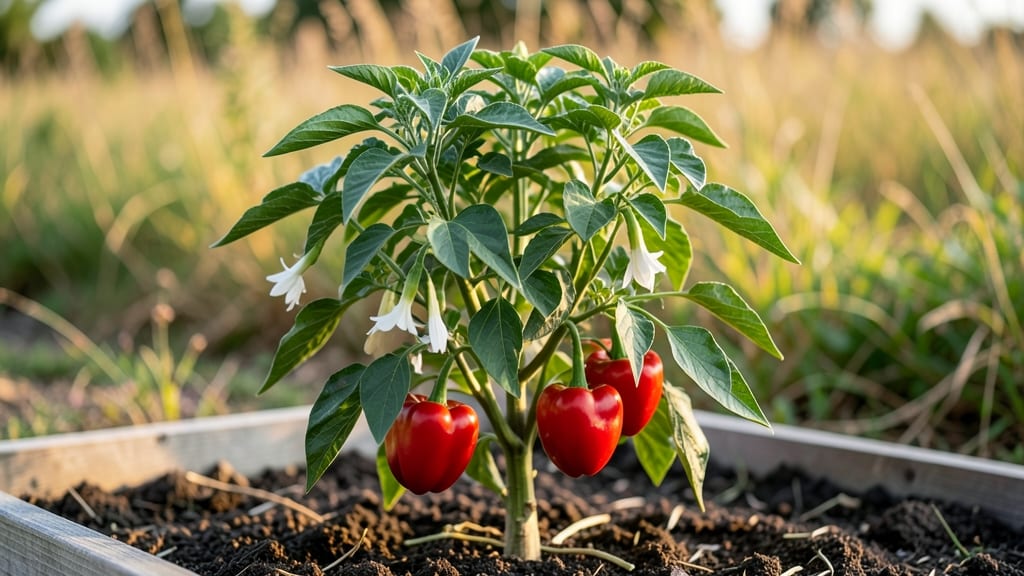
Growing Carmen sweet red peppers means harvesting sweet, thick-walled fruits that stay crisp even when roasted—if you nail the heat-zone timing. 🌶️ I learned the hard way that planting too early in cooler climates leads to stunted plants and bitter peppers, but once I adjusted my schedule, my harvest tripled in size and sweetness.
These peppers thrive in full sun (6-8 hours daily) and warm soil (70°F+), making them perfect for USDA zones 8-10. Start seeds indoors 8-10 weeks before last frost, then transplant after all danger of frost has passed. The key?
Wait until nighttime temps stay above 55°F consistently—this prevents blossom-end rot and ensures sweet fruit development. You’ll know they’re ready to harvest when peppers turn deep red and feel firm to the touch, typically 75-85 days after transplanting.
A single plant produces 10-15 peppers, and they hold their shape beautifully when roasted or stuffed. Store unripe peppers in the fridge for up to a week, or freeze them for later use. For cooler climates, treat them as annuals and extend the season with row covers.
If you’re in a heat zone, they’ll often reseed themselves—just be ready to thin seedlings next spring. The first harvest is the sweetest reward after all that patience!
📚 In This Guide
- What you need
- Instructions
- Tips and common mistakes
- Wrapping up and next steps
What you need
- ● Carmen sweet red pepper seeds – 5–10 seeds (or 3–5 transplants if starting with seedlings). Look for Capsicum annuum varieties labeled for heat zones 8–10.
- ● Well-draining potting mix – 10–15 lbs (for containers) or enriched garden soil (for in-ground planting). Aim for a mix with 50% compost for nutrient-rich growth.
- ● Containers or garden bed – Containers: 5–7 gallon pots (1 per plant) with drainage holes. Garden beds: Full sun (6+ hours daily) and space 18–24 inches apart.
- ● Slow-release fertilizer – 1 lb of balanced 10-10-10 or organic options like fish emulsion or worm castings.
- ● Organic mulch – Straw or shredded leaves (2–3 inches) to retain moisture and regulate soil temperature.
- ● Watering can or hose with a gentle spray nozzle – Peppers hate soggy roots, so precision is key!
- ● Row covers or shade cloth (30–50%) – Protects young plants from unpredictable heat waves or pests.
- ● Cage or stake supports – As peppers grow heavy, a tomato cage or bamboo stakes prevent sprawling.
- ● pH test kit – Carmen peppers thrive in slightly acidic soil (6.0–6.8). Adjust with lime or sulfur if needed.
- ● Compost tea or liquid fertilizer – For a mid-season boost, especially in high-heat zones.
- ● Garden gloves & pruners – For easy maintenance and harvesting.
Instructions for planting Carmen sweet red peppers
Here's my go-to method for getting these sweet, heat-friendly peppers thriving in your garden.
🌱 Step 1: Start Seeds Indoors 8-10 Weeks Before Last Frost
Fill 2-3 inch deep seedling trays with sterile seed-starting mix and plant 1-2 seeds per cell at a depth of ¼ inch. Carmen peppers germinate best in warm soil—keep trays on a heat mat set to 75-85°F. You'll see sprouts in 7-14 days, but don't be surprised if it takes longer in cooler homes.
Once seedlings emerge, remove the heat mat and place them under grow lights for 14-16 hours daily. I keep the lights 2-4 inches above the plants and raise them as the seedlings grow. Watch for leggy growth—this means the light is too far away. Strong seedlings have thick stems and dark green leaves.
☀️ Step 2: Harden Off and Transplant After All Frost Risk Passes
Two weeks before your last frost date, begin hardening off seedlings by placing them outside in a sheltered spot for 1-2 hours the first day. Gradually increase their outdoor time over 10-14 days, moving them to full sun by day 7. Carmen peppers love heat, so don't rush this process—slow acclimation prevents shock.
Transplant after the soil reaches 65°F and remains consistently warm. Space plants 18-24 inches apart in rows 24-30 inches apart to allow for airflow and prevent disease. I dig a hole twice as wide as the root ball to encourage root spread and water deeply after planting to settle the soil.
💧 Step 3: Water Deeply and Maintain Consistent Moisture
Carmen peppers thrive with 1-1.5 inches of water weekly, but they hate soggy soil. Water at the base of the plant in the morning to allow foliage to dry before evening. You'll know moisture is right when the top 1-2 inches of soil feel damp but not wet. Mulch with 2-3 inches of straw or shredded leaves to retain moisture and keep roots cool.
Fertilize every 3-4 weeks with a balanced organic fertilizer (10-10-10) after the first fruit sets. I avoid high-nitrogen feeds—too much leaf growth at this stage reduces pepper production. Watch for blossom-end rot (a calcium deficiency) and treat by applying crushed eggshells around the base of the plant.
✂️ Step 4: Prune and Support for Maximum Yield
Pinch off the first few flowers to encourage bushier growth. Once the plant is established, remove any suckers (side shoots) that form in the leaf axils to direct energy to fruit production. I also prune lower leaves to improve airflow and reduce disease risk. Carmen peppers are compact but may need staking as they fill out—use 5-6 foot bamboo stakes or a tomato cage for support.
Harvest peppers when they reach 3-4 inches long and turn deep red for peak sweetness. Use pruning shears to cut stems just above a leaf node to encourage more fruit to develop. I harvest every 2-3 days during peak production—this keeps the plant focused on producing new peppers instead of maturing old ones.
🌿 Step 5: Extend the Season with Row Covers or Greenhouses
If your growing season is short, use floating row covers to protect plants from early frosts. These lightweight fabrics allow sunlight and water through while trapping heat. Remove covers during the day when temperatures rise above 50°F to prevent overheating. Carmen peppers can tolerate light frosts (30°F) if covered, but they'll produce best in warmer conditions.
For a longer harvest, bring potted Carmen peppers indoors before the first frost. Place them in a sunny window or under grow lights and reduce watering slightly. You'll still get peppers, though yields will taper off as daylight shortens. I always save seeds from my best peppers for next year—simply dry them on a paper towel for 1-2 weeks before storing in an airtight container.
Tips & tricks for perfect Carmen sweet red pepper growth
Here's what nobody tells you about growing Carmen peppers that makes all the difference in your harvest.
Heat Mat Strategy: That 75-85°F heat mat range is non-negotiable for germination. I've tried lower temps and seen germination times stretch to 21 days—double what you'd expect! If your home stays below 70°F, consider a second heat mat or move trays to a warmer spot like near the oven (turned off) or on top of the fridge. The key is consistent warmth during those critical first days.
Lighting Technique: Those 14-16 hours of grow light aren't just about duration—the distance matters too. I start with lights 2-4 inches above seedlings, but raise them weekly as plants grow. A good rule of thumb: if you can see your shadow on the leaves, the light's too close. Leggy seedlings mean it's time to move the lights up immediately.
Transplanting Pro Tip: The 65°F soil temperature check is crucial, but don't forget to verify nighttime temps too. Carmen peppers can handle daytime heat but will struggle if nights dip below 55°F. I always transplant after a week of stable temperatures—even if that means waiting an extra week. Rushed transplants lead to stunted growth, and you don't want that with these heat-loving varieties.
Watering Wisdom: That 1-1.5 inches weekly measurement assumes average conditions. In hotter climates (above 90°F), you'll need to increase to 2 inches weekly. The damp-but-not-wet soil test works best when done an inch below the surface—topsoil dries faster and can be misleading. I water deeply every 3-4 days in summer rather than daily shallow watering.
Pro Tips for Carmen Sweet Red Pepper
- Here's what nobody tells you about growing Carmen peppers that makes all the difference in your harvest.
- Heat Mat Strategy: That 75-85°F heat mat range is non-negotiable for germination.
- Lighting Technique: Those 14-16 hours of grow light aren't just about duration—the distance matters too.
Frequently asked questions
Got questions about growing Carmen sweet red peppers? You’re not alone! Here are answers to the most common queries—whether you’re a first-time gardener or a seasoned grower looking to optimize your harvest.
What’s the best temperature range for Carmen sweet red peppers?
Carmen peppers thrive in warm climates (Zones 9–11), but they’re also heat-tolerant and can handle up to 100°F (38°C). Start seeds indoors at 70–80°F (21–27°C) and transplant when soil temps hit 65°F (18°C). If you’re in cooler zones, grow them in containers and bring them inside before frost!
How long does it take for Carmen peppers to mature?
From seed to harvest, expect 80–90 days in ideal conditions. If you’re starting with transplants, count on 60–70 days. Patience pays off—these peppers sweeten as they ripen, so wait until they’re fully red for the best flavor! Pro tip: Use a planting calendar to track progress and adjust care as needed.
Can I grow Carmen peppers in containers or do they need a garden bed?
Carmen peppers adapt well to containers (5+ gallons) with proper drainage. Just ensure they get 6–8 hours of sunlight daily and use a well-draining potting mix. Containers are great for balconies or patios—just monitor watering closely, as pots dry out faster. Bonus: Move them indoors if temps dip below 50°F (10°C).
Why aren’t my Carmen peppers turning red?
If your peppers stay green or yellow, check these common issues:
- Insufficient sunlight (they need full sun—move to a sunnier spot).
- Cool temperatures (below 60°F/15°C slows ripening).
- Nutrient deficiencies (use a balanced fertilizer like 10-10-10).
- Overwatering (peppers hate soggy roots—water at soil level).
If the problem persists, try hand-pollinating flowers with a small brush to boost fruit set.
What’s the best way to store harvested Carmen peppers?
Store unripe peppers in the fridge for 1–2 weeks (they’ll ripen slowly). For ripe peppers, keep them at room temp (60–70°F/15–21°C) for up to 2 weeks. To extend shelf life:
- Remove stems and store in a paper bag (ethylene gas helps preserve freshness).
- Freeze sliced peppers for up to 6 months (blanch first to retain texture).
- Avoid washing until ready to use (moisture speeds spoilage).
Fun fact: Carmen peppers are sweeter when stored at cooler temps—great for winter cooking!
Wrapping up and next steps
Growing Carmen sweet red peppers is a rewarding journey that brings vibrant color and bold flavor to your garden—no matter your heat zone! 🌱 With the right timing, soil prep, and care, you’ll enjoy a bountiful harvest of sweet, crunchy peppers perfect for fresh snacking, cooking, or gifting.
Whether you’re a seasoned gardener or just starting, these tips ensure success.
Ready to dig in? Start by marking your 2024 planting calendar and gather your supplies—then watch your Carmen peppers thrive! For extra inspiration, explore creative ways to use your harvest in the kitchen or share your progress with fellow gardening enthusiasts. Happy growing! 🌶️