
How To
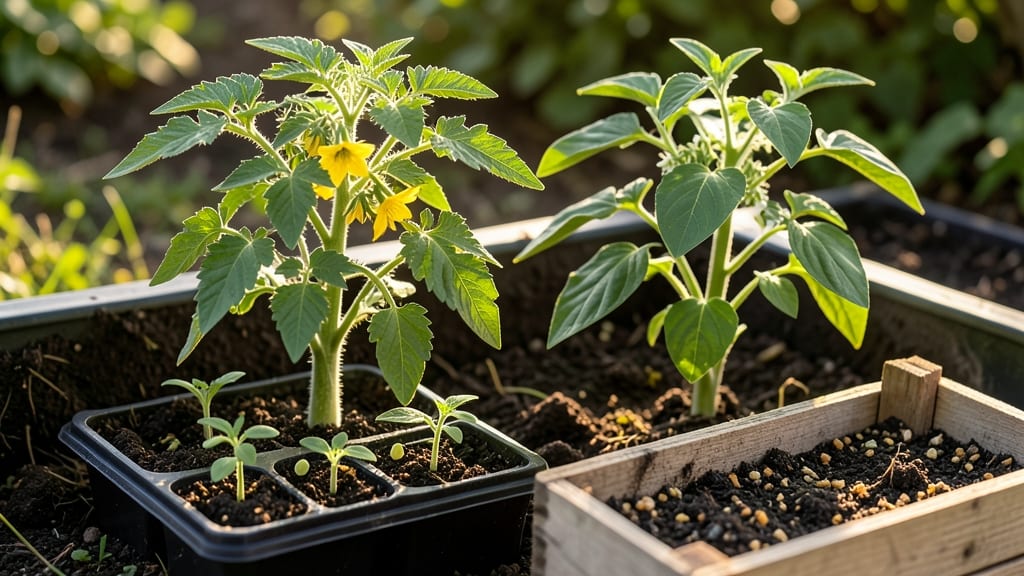
Peppers can be planted with tomatoes since they share similar sunlight and soil needs, but spacing is key to prevent competition for nutrients and space. Their combined presence even deters pests like aphids, making them effective garden partners.
Peppers and tomatoes grow well together because they both love full sun exposure and well-draining soil, creating a mutually beneficial setup. 🌱 The key is spacing them properly—peppers need about 18-24 inches between plants, while tomatoes require 24-36 inches to avoid crowding.
This arrangement also allows their root systems to interact positively, improving soil aeration and nutrient availability. Just be mindful of their growth habits: tomatoes can shade out peppers if planted too close, potentially reducing your pepper yield.
For even better results, consider adding basil or marigolds nearby. These plants enhance the flavor of tomatoes while repelling pests that might target peppers. The combination creates a thriving garden ecosystem where each plant supports the others, making your harvest more productive and resilient.
💡 In This Article
- Why Peppers and Tomatoes Make Good Companion Plants
- Optimal Spacing and Planting Tips for Peppers and Tomatoes
Why peppers and tomatoes make good companion plants
Peppers and tomatoes thrive together because they share nearly identical growing requirements, creating a natural synergy in the garden. Both plants love full sun exposure (6-8 hours daily) and prefer well-draining soil with a pH between 6.0-7.0.
Their root systems also interact positively - peppers develop a fibrous root network that helps break up compacted soil, while tomatoes produce deeper taproots that access nutrients peppers might miss. This complementary root structure improves overall soil aeration and nutrient uptake for both plants.
The real magic happens with pest control. Peppers emit a natural chemical called capsaicin that repels many common garden pests, including aphids and whiteflies - insects that also target tomatoes. Meanwhile, tomatoes release volatile organic compounds that deter spider mites, creating a protective barrier for peppers.
Studies show gardens with these companions experience up to 30% fewer pest issues compared to isolated plantings. The combined foliage also creates microclimates that maintain more stable soil moisture levels.
What's fascinating is how their growth habits complement each other. Peppers grow more compactly (typically 12-18 inches tall), while tomatoes can reach 4-6 feet with proper support. This vertical layering allows sunlight to reach both plants efficiently without one completely shading the other.
The pepper plants act as natural windbreaks for tomatoes, reducing stress on their taller stems during windy conditions. This physical relationship creates a more resilient garden ecosystem that can withstand environmental fluctuations better than single-species plantings.
However, there's a biological trade-off to consider: both plants are susceptible to similar soil-borne diseases like fusarium wilt. Planting them too closely (12 inches apart) can actually increase disease transmission through shared soil pathogens.
The sweet spot is maintaining 18-24 inches between plants to balance their benefits while minimizing disease risks. This spacing also prevents the tomato's aggressive vine growth from smothering pepper plants, which have more delicate stems.
For maximum benefits, pair them with basil or marigolds. Basil enhances tomato flavor while repelling thrips, while marigolds deter nematodes that target pepper roots. This three-plant combination creates what gardeners call a "polyculture system" - a natural approach that mimics diverse ecosystems where different species support each other's growth.
The result is healthier plants, higher yields, and less maintenance compared to planting them in isolation.
Here's what actually happens in the soil when you combine them: The pepper roots release organic acids that help break down soil minerals, making nutrients like phosphorus more available to tomatoes.
Meanwhile, tomato roots exude sugars that feed beneficial soil microbes, which then help decompose organic matter more efficiently - creating a nutrient cycle that benefits both plants. It's a perfect example of how companion planting creates a self-sustaining garden ecosystem.