
How To
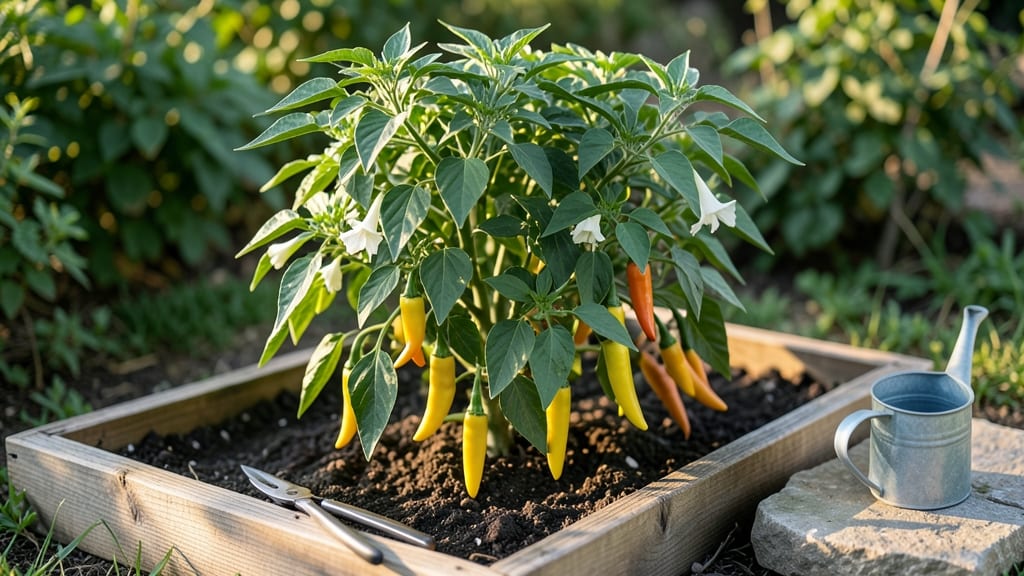
Banana peppers grow to a compact 12-18 inches tall—perfect for small gardens, containers, or even windowsills 🌶️. If you’ve ever hesitated to plant them because of space concerns, you’ll be relieved to know they’re happy in tight spots without sacrificing flavor or yield.
But their height isn’t the only factor that determines how well they thrive. Varieties like 'Apache' or 'Golden' stay true to that 1-2 foot range, while some dwarf types might even dip below 12 inches.
Sunlight, pruning, and container size all play a role in whether your plants hit their full potential—or lean taller than expected.
Beyond their manageable size, banana peppers are versatile. Use them fresh in salsas, pickled for snacks, or even as vibrant garnishes. Their compact stature makes them ideal for urban gardeners, balcony setups, or anyone short on square footage.
In this guide, I’ll break down how to keep your banana peppers at their ideal height, when to expect harvests, and how to troubleshoot if they start stretching beyond your expectations. Let’s get growing!


Banana pepper plant height: what to expect by variety and growing conditions
Banana peppers are one of the most space-friendly vegetables you can grow, making them perfect for balcony gardens or small containers. While most varieties stay between 12-18 inches tall, some can stretch up to 36 inches with ideal conditions.
The key to managing their height lies in understanding your variety, sunlight exposure, and pruning habits.
If you're growing dwarf varieties like 'Apache' or 'NuMex Sandia,' you can expect plants to max out at 12 inches, while standard types like 'Golden' may reach 24-36 inches.
Even within the same variety, container size and pruning frequency can dramatically alter how tall your plants grow—sometimes by 50% or more.
| Variety | Mature Height | Sunlight Needs | Growth Habit |
|---|---|---|---|
| 'Apache' | 12-18 inches | Full sun (6-8 hrs) | Compact, bushy |
| 'Golden' | 24-36 inches | Full sun (6-8 hrs) | Upright, leggy |
| 'NuMex Sandia' | 18-24 inches | Full sun (6-8 hrs) | Semi-bushy |
| 'Lunchbox' | 12-15 inches | Partial sun (4-6 hrs) | Dwarf, container-friendly |
| 'Red Banana' | 24-30 inches | Full sun (6-8 hrs) | Tall, spreading |
Note: Heights can vary by 10-20% based on growing conditions.
Sunlight plays a huge role in determining how tall your banana peppers grow. Plants in full sun (6-8 hours daily) tend to grow taller and bushier, while those in partial shade (4-6 hours) often stay shorter but may produce fewer peppers.
If your plants are stretching toward the light, they're likely sun-deprived—a classic sign of etiolation.
Pruning is another game-changer for controlling height. Regularly pinching back the top growth encourages a bushier shape and more peppers. I like to prune mine every 2-3 weeks during the growing season to keep them under 18 inches. Just avoid over-pruning, or you’ll sacrifice fruit production.
Container size also impacts height—smaller pots (5-gallon or less) stunt root growth, often keeping plants under 12 inches. But if you use a 10-gallon container or larger, expect plants to reach their full potential height.
Always ensure containers have drainage holes to prevent root rot, which can weaken plants and make them grow unpredictably tall.
For vertical gardening, consider training taller varieties like 'Red Banana' on a trellis or cage. This not only saves space but also improves air circulation, reducing the risk of fungal diseases that can stress plants and alter their growth patterns.
A simple 3-foot tall tomato cage works perfectly for most banana pepper varieties.
Soil quality matters too—nutrient-rich, well-draining soil promotes healthy growth, while poor soil can lead to stunted or leggy plants. Amend your soil with compost or aged manure before planting, and consider a balanced fertilizer (10-10-10) every 4-6 weeks during the growing season.
Over-fertilizing with nitrogen can make plants grow too leafy and tall with fewer peppers.
If you're growing banana peppers in cooler climates (USDA Zones 5-7), expect them to grow slower and shorter than in warmer zones. In these areas, start seeds indoors 8-10 weeks before the last frost and transplant outdoors only after soil temperatures reach at least 60°F.
This gives plants a head start and helps them reach their full height potential.
Remember, even dwarf varieties can surprise you with extra height if given ideal conditions. The key is to monitor their growth and adjust sunlight, pruning, and container size as needed. With the right care, you can enjoy a bountiful harvest without sacrificing your garden’s limited space.
5 Pro tips to control banana pepper height for small gardens or containers
Banana peppers are the perfect solution for small gardens or containers, but even their compact nature can be managed for optimal space efficiency. With the right techniques, you can keep them at 12-18 inches tall while maximizing fruit production.
The key lies in understanding how to guide their growth naturally—without sacrificing yield or health.
First, let’s address the elephant in the garden: pruning. Regularly trimming your banana pepper plants encourages bushier growth and prevents them from stretching too tall. Focus on removing succulent tips to redirect energy toward fruit production instead of vertical growth.
This simple step can reduce height by up to 30% while boosting your harvest.
- 1 Prune regularly to encourage bushier growth—trim tips when plants reach 12 inches tall to redirect energy.
- 2 Use trellises or cages to guide vertical growth—supports like 5-foot tomato cages work perfectly for banana peppers.
- 3 Plant in nutrient-rich soil with compost or aged manure to promote compact, sturdy growth.
- 4 Companion plant with basil or marigolds to deter pests and improve overall plant health, keeping growth controlled.
- 5 Harvest frequently to prevent overgrowth—removing ripe peppers encourages continuous flowering and fruiting.
Another game-changer is trellising or caging. Even though banana peppers are naturally compact, providing a lightweight support structure (like a small tomato cage or bamboo trellis) can help manage their height while keeping them upright.
This method works especially well in containers, where wind or uneven growth can cause plants to lean.
Don’t overlook the power of soil nutrients. Banana peppers thrive in well-draining, nutrient-rich soil with a pH between 6.0 and 7.0. Amend your soil with compost or a balanced fertilizer (like 10-10-10) at planting time and again mid-season.
Healthy roots mean sturdier plants that resist legginess and stay within your desired height range.
For container gardeners, companion planting is a clever way to control height naturally. Pairing banana peppers with basil or marigolds not only deters pests but also improves air circulation around the plants.
This reduces stress and encourages compact, bushier growth—perfect for small spaces. Plus, basil’s shade can help prevent sunburn on peppers in hot climates.
Finally, harvesting regularly is one of the simplest ways to keep banana peppers in check. When you remove ripe peppers, the plant focuses on producing more fruit instead of growing taller.
Aim to harvest every 7-10 days during peak production to maintain a manageable height and ensure a steady supply of fresh peppers.