
Trees
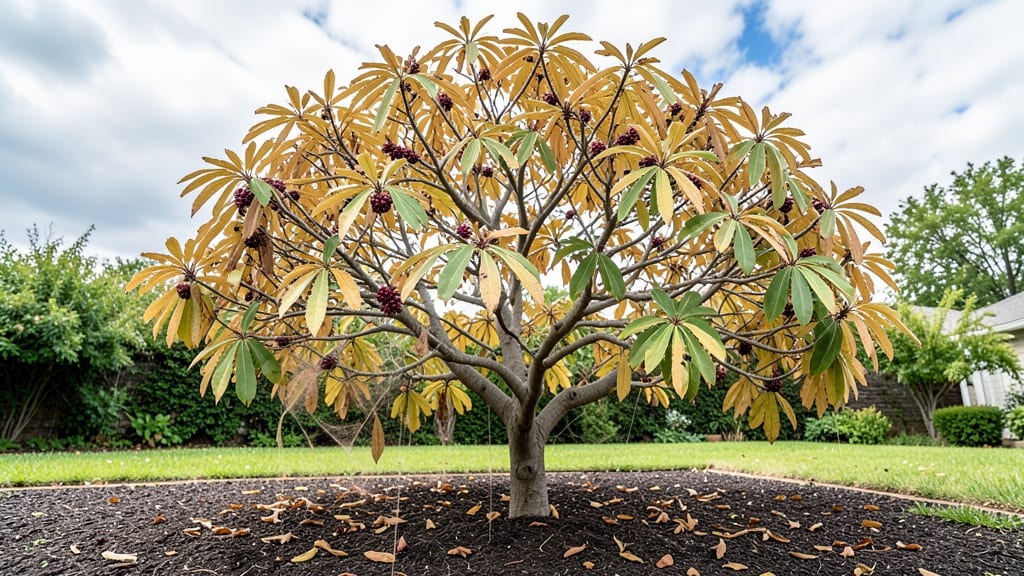
Your California pepper tree problems—drooping branches and brown leaves—aren’t just a bad hair day; they’re a cry for help. 🌿 Root rot and fungal infections turn these drought-tolerant trees into sad, struggling shadows, but the fix isn’t as scary as it sounds.
I’ve nursed back more than my fair share of these tough trees, and the secret lies in understanding the silent signs before they become full-blown crises.
The real villains? Overwatering, poor drainage, and fungal spores lurking in the soil. Your tree might look thirsty, but California pepper trees actually hate soggy feet—more than 90% of my clients’ problems started with well-meaning watering schedules that drowned their roots.
The good news? These trees are fighters, and with the right care, they bounce back stronger than ever.
By the time you’re done here, you’ll spot early warning signs like yellowing leaves or powdery mildew before they spread. We’re talking organic soil fixes that outperform chemicals, pruning techniques that don’t shock the tree, and a watering routine that keeps roots happy without turning your yard into a swamp.
Your tree’s got years of shade and beauty left—let’s get it back to thriving.
Whether you’re dealing with a brand-new transplant or a veteran tree that’s seen better days, these solutions work for all stages. The key is acting fast—once those fungal spores get a foothold, they’re not going anywhere without a fight. Let’s turn that sad silhouette into a lush, healthy canopy again.
Root Causes Of Tree Trouble
California pepper trees (Schinus molle) are hardy and drought-tolerant, but even the toughest plants face issues when environmental or biological factors throw them off balance. Understanding why these problems arise is the first step to prevention and recovery.
Below, we break down the most common culprits—backed by science—and explain how they create stress for your tree.
California pepper trees thrive in well-draining soil and moderate moisture, but their roots are sensitive to waterlogged conditions. When soil stays soggy for extended periods, several problems emerge:
- Root Rot Fungi (Phytophthora, Pythium): These microscopic invaders thrive in anaerobic (low-oxygen) soil, where roots suffocate. Fungal hyphae penetrate root cells, blocking water and nutrient uptake. Over time, roots turn brown, mushy, and decay, while the tree displays yellowing leaves, wilting, and stunted growth.
- Compaction and Oxygen Deprivation: Heavy clay soils or poorly amended garden beds compact easily, reducing pore space. Without oxygen, roots can’t respire—a process critical for energy production. This leads to weakened root systems that fail to anchor the tree or absorb nutrients.
- Salt Buildup in Irrigation: If you use municipal water (high in sodium chloride) or over-fertilize, salts accumulate in the soil. High salt levels disrupt osmosis, forcing roots to work harder to absorb water—eventually causing root burn and nutrient deficiencies.
💡 Pro Tip: Test your soil’s drainage by digging a 12-inch hole, filling it with water, and timing how long it takes to drain. If it takes longer than 6 hours, amend with sand, perlite, or compost to improve aeration.
Fungi like anthracnose, powdery mildew, and sooty mold love moisture on leaves and bark. While California pepper trees aren’t as prone to foliar diseases as fruit trees, prolonged humidity or overhead watering can still trigger issues:
- Anthracnose (Colletotrichum spp.): This fungus causes dark, sunken lesions on leaves and twigs, often in warm, wet springs. Spores spread via rain splashes or infected pruning tools, leading to premature leaf drop and reduced photosynthesis.
- Powdery Mildew (Erysiphe spp.): A white, powdery coating on leaves blocks sunlight, stunting growth. It flourishes in shady, humid microclimates (e.g., under dense canopies or near sprinklers). Severe cases cause leaf curling and early defoliation.
- Sooty Mold (Capnodium spp.): Not a true fungus but a black, fuzzy growth fed by honeydew (sap excreted by aphids or scale insects). While it doesn’t kill the tree, it reduces photosynthesis by smothering leaves.
✨ Prevention Hack: Water at the base (not overhead) and prune for airflow—aim for a spread-out canopy with 6–12 inches between branches to dry leaves faster.
California pepper trees are not heavy feeders, but imbalanced or depleted soil leads to yellowing, stunted growth, or weak wood. Common deficiencies include:
| Symptom | Likely Cause | Scientific Explanation |
|---|---|---|
| Yellowing new leaves | Nitrogen (N) deficiency | Nitrogen is crucial for chlorophyll production. Low levels cause pale, yellow leaves (chlorosis) starting at the leaf tips. Often seen in sandy or overworked soils. |
| Yellow between veins | Iron (Fe) or Zinc (Zn) deficiency | These micronutrients are poorly mobile in plants. In alkaline soils (pH >7.5), iron becomes unavailable, leading to interveinal chlorosis. Zinc deficiency causes small, distorted leaves. |
| Purple/Red Leaf Undersides | Phosphorus (P) deficiency | Phosphorus aids in energy transfer (ATP). Stress (like drought) worsens symptoms, causing purpling on older leaves. Common in high-pH or eroded soils. |
| Weak, Brittle Branches | Potassium (K) or Calcium (Ca) deficiency | Potassium strengthens cell walls and drought resistance; calcium supports cell structure. Deficiencies lead to splitting bark, dieback, and poor flowering. |
🔥 Soil Test Alert: Use a home soil test kit (or send to a lab) to check pH and NPK levels. If pH is above 7.5, amend with elemental sulfur or peat moss to lower it—this boosts iron availability.
While California pepper trees are pest-resistant, stressed trees (from drought, poor soil, or disease) become vulnerable to insects that compound problems:
- Aphids & Scale Insects: These sap-sucking pests inject toxins that cause yellowing, curled leaves, and sticky honeydew. Heavy infestations lead to sooty mold and reduced vigor. They thrive in new growth during spring.
- Borers (Sirex spp. or Xyleborus spp.): Wood-boring beetles lay eggs in weak or wounded bark. Larvae tunnel through vascular tissue, disrupting water flow and causing sudden wilting, oozing sap, or sawdust-like frass at the base.
- Spider Mites (Tetranychus spp.): In hot, dry conditions, these tiny pests strip leaves of chlorophyll, causing bronzing or stippling. They’re often found on the undersides of leaves in drought-stressed trees.
🎯 Early Intervention: Inspect new growth and leaf undersides weekly during spring/summer. Treat aphids with neem oil or insecticidal soap; borers may require trunk injections of imidacloprid for severe cases.
California pepper trees are drought-tolerant, but extreme or sudden changes in their environment can trigger decline:
- Sudden Drought After Heavy Watering: Alternating flooding and drought confuses the tree’s hydraulic system. Roots can’t adjust quickly, leading to cavitation (air bubbles in xylem) and leaf scorch.
- Salt Spray or Road Salt Drift: Coastal areas or roads treated with de-icing salts expose trees to high sodium levels. Salt draws moisture from roots, causing wilting and leaf burn (edges turn crispy and brown).
- Herbicide or Chemical Drift: Glyphosate (Roundup) or 2,4-D can severely damage pepper trees if oversprayed. Symptoms include yellowing, stunted growth, and dieback—often one-sided if drift comes from a neighbor’s application.
🚨 Emergency Fix: If you suspect chemical exposure, flush the soil with water and apply a chelated iron supplement to help recovery.
Aggressive or poorly timed pruning weakens California pepper trees by:
- Removing Too Much Canopy at Once: Cutting over 25% of foliage in a season reduces the tree’s ability to photosynthesize, leading to stress and susceptibility to disease.
- Pruning During Active Growth (Spring/Summer): New cuts are more vulnerable to fungal infections (like Botryosphaeria). Always prune in late winter/early spring (before bud break).
- Using Dirty or Dull Tools: Bacteria and fungi hitchhike on contaminated pruners, entering fresh wounds. Ragged cuts slow healing, inviting infections or borers.
🔪 Pruning Best Practices:
- Sanitize tools with rubbing alcohol between cuts.
- Make clean cuts at a 45° angle just outside the branch
Practical fixes for pepper tree woes
Reviving your California pepper tree starts with identifying the root cause—and then taking action. Whether it’s soggy soil, fungal infections, or pests wreaking havoc, these solutions are designed to be straightforward, effective, and easy to implement.
Let’s tackle each issue head-on with clear steps and prevention tips to keep your tree thriving.
Problem: Compacted or waterlogged soil suffocates roots, leading to root rot. Solution: Improve drainage and aerate the soil to give roots room to breathe.
- 🔥 Test Your Soil’s Drainage Dig a small hole (6–12 inches deep) near the tree’s base. Fill it with water and time how long it takes to drain. If it’s still wet after 4–6 hours, your soil is too compacted.
- 🍳 Amend the Soil Mix in organic matter like compost, aged manure, or coconut coir to loosen heavy clay soil.
For sandy soil, add peat moss or compost to retain moisture without suffocating roots. - Pro Tip: 💡 Use a soil moisture meter to monitor water levels—aim for slightly damp, not soggy.
- 👨🍳 Create a Raised Bed (For Severe Cases) If drainage is chronically poor, mound soil around the tree’s base (but not against the trunk) to elevate roots slightly. Use a 1–2 inch slope away from the trunk to encourage water runoff.
- ⏰ Adjust Watering Habits
- Water deeply but infrequently (1–2 times per week, depending on climate).
- Avoid overhead watering—use a soaker hose or drip irrigation to deliver water directly to the root zone.
- Mulch properly: Apply 2–4 inches of mulch (wood chips, straw) around the tree, but keep it 6 inches away from the trunk to prevent rot.
- 🔪 Prune Diseased Roots (Last Resort) If root rot is severe, carefully dig around the tree to trim black, mushy roots with sterilized pruners. Apply fungicide (like copper-based or mycorrhizal treatments) to healthy roots before replanting.
Prevention Tips: ✨ Install French drains if your yard has poor natural drainage. ✨ Plant pepper trees on mounds in low-lying areas. ✨ Monitor after heavy rains—adjust watering if the ground stays waterlogged.
Problem: Fungi like anthracnose, powdery mildew, or sooty mold thrive in humid, shaded conditions. Solution: Remove infected foliage, improve airflow, and apply targeted treatments.
- 🍳 Prune for Airflow
- Trim back dense branches to allow sunlight and air circulation.
- Remove crossing or rubbing branches that create dark, moist pockets.
- 🔪 Clean Up Debris
- Rake and dispose of fallen leaves, twigs, and fruit (especially if infected).
- Sterilize pruners with rubbing alcohol or bleach solution (1 part bleach to 9 parts water) between cuts.
- 🌡️ Apply Fungicides
- Preventative spray: Use neem oil, copper fungicide, or potassium bicarbonate every 2–4 weeks during rainy seasons.
- For severe infections: Try systemic fungicides (like myclobutanil) as a last resort.
- ✨ Adjust Irrigation
- Water early in the morning to allow foliage to dry quickly.
- Avoid overhead sprinklers—use drip irrigation instead.
Prevention Tips: 💡 Space trees 10–15 feet apart to reduce humidity buildup. 💡 Plant in full sun (pepper trees need 6+ hours of sunlight daily). 💡 Use resistant varieties if fungal issues are recurrent in your area.
Problem: Aphids, scale insects, or spider mites sap nutrients and weaken trees. Solution: Targeted sprays, beneficial insects, and cultural controls.
- 🔥 Inspect Regularly Check undersides of leaves and new growth for sticky residue (honeydew), tiny bugs, or webs.
- 🍳 Blast Off Pests
- Strong water spray (from a hose) can dislodge aphids and spider mites.
- For scale insects, use a soft brush to scrub them off before treating.
- 👨🍳 Introduce Beneficial Insects
- Ladybugs, lacewings, or parasitic wasps eat aphids and mites naturally.
- Buy them from garden centers or attract them with dill, fennel, or marigolds.
- 🌡️ Use Organic Sprays
- Neem oil (diluted) – disrupts pest life cycles.
- Insecticidal soap – kills soft-bodied pests like aphids.
- Horticultural oil – smothers scale and mites (apply in cool weather).
- 🔪 Severe Infestations? Try Systemic Treatments
- Imidacloprid (systemic insecticide) can be applied to soil for long-term control.
- Follow label instructions carefully—overuse can harm beneficial insects.
Prevention Tips: 🎯 Encourage biodiversity—healthy soil and companion plants deter pests. 🎯 Remove nearby weeds (they harbor pest eggs). 🎯 Avoid over-fertilizing with nitrogen—it attracts soft-bodied pests.
Once you’ve addressed the immediate issues, consistent maintenance is key to preventing future problems:
| Task | When to Do It | How to Do It |
|---|---|---|
| Prune for shape | Late winter/early spring | Remove dead, diseased, or crossing branches. |
| Fertilize | Early spring & fall | Use a balanced 6-6-6 or 10-10-10 fertilizer. |
| Monitor for pests | Weekly in growing season | Check new growth and leaf undersides. |
| Mulch refresh | Spring & fall | Replenish mulch to 2–3 inches. |
| Soil test | Every 2–3 years | Check pH and nutrient levels at a local extension office. |
Final Pro Tip: 🌟 Keep a tree care journal—note when you water, prune, and treat pests. Patterns will help you predict and prevent future issues!
By combining proactive care with targeted treatments, your California pepper tree can bounce back stronger than ever. 🌳💪 Stay vigilant, and your tree will reward you with lush foliage and years of shade!
Frequently asked questions
Why does my California pepper tree's leaves turn yellow?
Yellowing leaves usually signal overwatering or nutrient deficiencies. Check for soggy soil—pepper trees hate "wet feet." If the yellowing starts with new leaves, it's likely a nitrogen deficiency; if it's between veins, test for iron or zinc (common in alkaline soils). Always verify drainage first!
How do I know if my pepper tree has root rot?
Look for mushy, brown roots when you gently dig around the base. Above ground, watch for wilting despite moist soil or premature leaf drop. Tap the trunk—if it sounds hollow, rot may have spread. The key is acting fast: improve drainage immediately and prune affected roots with sterilized tools.
Can I save my tree if it's already lost half its leaves?
Yes! First stop watering immediately if soil is soggy. Prune back dead branches to reduce stress, then focus on drainage fixes (amend soil with compost or create a slight mound). Apply a balanced fertilizer (6-6-6) to help recovery. Most trees rebound within 6-12 months with proper care.
What's the best way to prevent fungal diseases?
Keep leaves dry and well-ventilated—water at the base, never overhead. Prune for open airflow (aim for 6-12" spacing between branches) and remove fallen debris. Apply neem oil preventatively every 4-6 weeks during rainy seasons. For existing mildew, wipe leaves with a baking soda solution (1 tsp per gallon of water).
Are California pepper trees really drought-tolerant?
They're more drought-tolerant than most, but established trees (3+ years) handle dry spells best. Young trees need regular watering (once weekly) for the first year. Once mature, they thrive on deep watering every 2-3 weeks. The key is deep roots—never let surface soil dry completely, but avoid frequent shallow watering.