
Trees
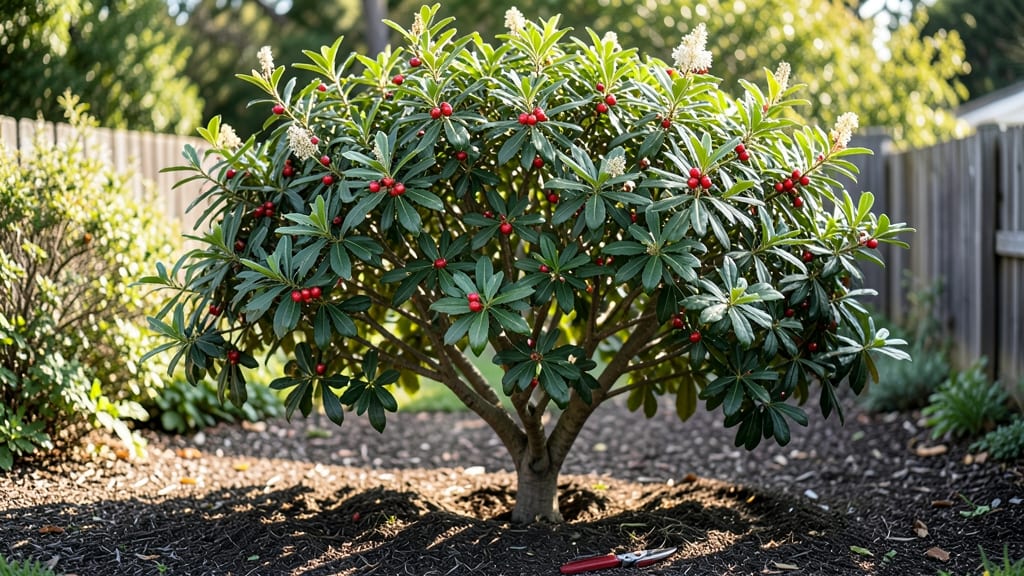
The Brazilian pepper tree (Schinus terebinthifolius) is invasive because it spreads aggressively, outcompetes native plants, and disrupts ecosystems. It’s banned in 28 U.S. states due to its rapid growth, dense thickets, and resistance to control methods like herbicides and fire. Immediate removal is critical to prevent further ecological harm.
This tree spreads like wildfire—literally. 🌿 Its berries are devoured by birds and mammals, which then disperse seeds far beyond the original plant, creating dense thickets that block sunlight from reaching native understory plants. The chemical compounds in its leaves and roots even suppress competing vegetation, turning ecosystems into monocultures.
In Florida alone, it's estimated to cover over 700,000 acres, displacing native species like cabbage palms and saw palmetto while creating hazardous fuel loads that increase wildfire risks.
What makes eradication so challenging is its resilience. Cutting it down without treating the stump often results in regrowth, while chemical controls require precise application to avoid harming nearby plants.
Many land managers now use a combination of mechanical removal and targeted herbicides, followed by years of monitoring to ensure complete eradication.
💡 In This Article
- How Brazilian Pepper Trees Disrupt Native Ecosystems
- Effective Removal Strategies for Brazilian Pepper Trees
How Brazilian pepper trees disrupt native ecosystems
The Brazilian pepper tree (Schinus terebinthifolius) wreaks ecological havoc by forming dense, impenetrable thickets that block sunlight from reaching native understory plants. These thickets can grow up to 15-20 feet tall within just 3-5 years, creating a canopy that smothers competing vegetation.
The tree's rapid growth rate—often 3-5 feet per year—outpaces most native species, giving it an unfair advantage in establishing dominance.
This tree's seeds are the size of peas and contain a fleshy, red aril that attracts birds, raccoons, and other wildlife. A single tree can produce up to 15,000 seeds per year, which are dispersed over vast distances—sometimes half a mile or more from the parent plant.
Once established, its roots release allelopathic chemicals that inhibit seed germination and growth of nearby plants, effectively creating a chemical barrier against competition. 🌱 These compounds can persist in the soil for years, preventing native species from reclaiming disturbed areas.
The ecological damage extends beyond plant life. Brazilian pepper trees disrupt wildlife habitats by eliminating native plant species that provide food and shelter for birds, insects, and small mammals.
For example, the tree's dense growth reduces the availability of berries from native plants like the wax myrtle, which many bird species rely on.
Additionally, its thick foliage creates ideal conditions for fire by increasing fuel loads—its dry leaves and branches contribute to more intense wildfires that native ecosystems are ill-equipped to survive.
Soil chemistry also suffers under Brazilian pepper trees. Their leaves contain high levels of sodium, which accumulates in the soil over time. This alters soil pH and nutrient availability, making it less hospitable for native plants that have evolved to thrive in the region's natural soil conditions.
In some cases, the sodium buildup can even reduce soil fertility, further hindering native plant recovery efforts.
Perhaps most concerning is how these trees alter the natural fire regime of ecosystems. Native plants often rely on periodic fires to regenerate, but Brazilian pepper trees create a fuel continuum that allows fires to burn hotter and more frequently.
This disrupts the delicate balance of fire-dependent species, many of which cannot survive in the altered fire conditions created by these invasive thickets. The result is a fundamental shift in ecosystem structure that can take decades to reverse.
Consider the case of Florida's Everglades, where Brazilian pepper trees have invaded over 700,000 acres. Here, the trees have displaced native species like cabbage palms and saw palmetto, while their dense growth has reduced water flow through the system.
The ecological consequences ripple through the entire food web, affecting everything from wading birds to the microscopic organisms in the water. This level of disruption is why conservationists consider this tree one of the most ecologically damaging invasives in North America.
What most people don't realize is that these ecological impacts are cumulative. Each new Brazilian pepper tree that establishes itself adds to the problem, making eradication efforts more difficult and expensive over time.
The longer these trees are allowed to spread unchecked, the more entrenched they become in the ecosystem, requiring increasingly aggressive and costly management strategies. 🌿