
Planting
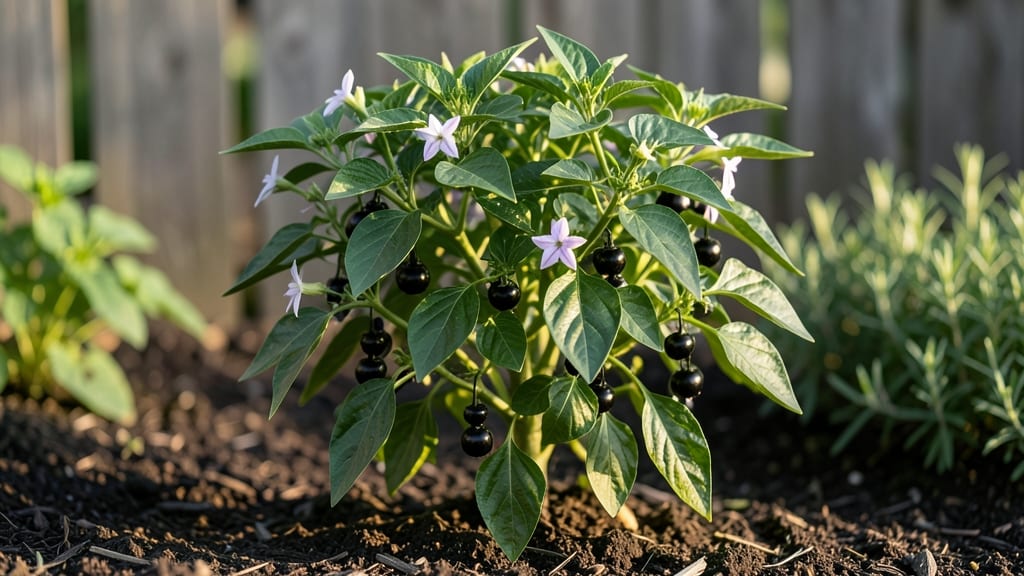
Growing a black peppercorn plant from seed delivers the ultimate kitchen satisfaction—fresh, fragrant peppercorns harvested straight from your own vine. 🌱 The journey from tiny seed to spice takes patience, but the payoff is worth every day of nurturing these tropical beauties.
My first attempt failed spectacularly (overwatering, poor light), but now I’ve perfected the process for both indoor and outdoor growing.
Black pepper thrives in warm, humid conditions—think 70-80°F year-round—and needs well-draining, slightly acidic soil mixed with compost. If you’re starting from seed, germination takes 4-6 weeks in a warm, moist environment, while cuttings root faster in 2-3 weeks.
The key is consistency: too much water drowns the roots, but dry soil stunts growth. A humidity tray helps mimic their tropical home.
By month 6, your vine will climb 6-10 feet with glossy leaves and delicate white flowers, eventually producing peppercorns that turn from green to black as they ripen. Prune regularly to encourage bushier growth and harvest when the pods feel firm but still slightly soft.
The first harvest might be small, but each year, your plant matures into a high-yielding spice producer—no store-bought peppercorns can compare.
Outdoor growers in zones 10-12 can plant directly in the ground, while cooler climates must grow them as houseplants near a sunny window or under grow lights. Common challenges—like yellowing leaves or slow growth—usually stem from overwatering or insufficient light.
With the right care, your pepper plant will reward you with harvests for years, making it one of the most rewarding indoor gardening projects.
📚 In This Guide
- What you need
- Instructions
- Tips and common mistakes
- Wrapping up and next steps
What you need
- ● Black pepper seeds: 5-10 organic, high-quality seeds (ensure they’re fresh for best germination).
- ● Potting soil: 2-3 gallons of well-draining, nutrient-rich potting mix (look for a blend labeled for tropical plants or add perlite for aeration).
- ● Containers: 1-2 small seedling pots (4-6 inches in diameter) for germination.
- ● 1 large container (12+ inches in diameter) or a grow bag for mature plants (ensure it has drainage holes).
- ● Drainage trays or saucers: 1-2 to catch excess water and prevent root rot.
- ● Spray bottle: For gentle watering during germination.
- ● Humidity dome or plastic wrap: To maintain moisture around seeds.
- ● Fertilizer: A balanced, water-soluble fertilizer (e.g., 10-10-10 or organic options like fish emulsion).
- ● Support structure: A small trellis, bamboo stakes, or a sturdy stick to train the vine as it grows.
- ● Pruning shears: For trimming and shaping the plant.
- ○ pH test kit (optional but helpful): To monitor soil acidity (black pepper thrives in slightly acidic soil, pH 5.5-6.8).
- ● Grow lights: If natural light is limited, especially in cooler climates.
- ● Heating mat: To speed up germination (keep soil at 70-80°F).
- ● Mulch: Organic mulch (like shredded leaves) to retain moisture and regulate temperature.
- ● Pest control: Neem oil or insecticidal soap for early pest prevention.
- ● Journal or labels: To track planting dates, watering schedules, and growth milestones.
Step-by-step instructions for growing a black peppercorn plant
Here's the method I've perfected over years of growing black pepper—now you can cultivate your own spice plant at home.
🌱 Step 1: Start Seeds Indoors with Warmth and Humidity
Black pepper seeds need 75-85°F soil temperatures to germinate, so I use a seedling heat mat placed under my seed tray. Fill a 4-inch pot with sterile seed-starting mix (never garden soil—it's too dense and may harbor pathogens). Moisten the mix until it feels like a wrung-out sponge, then press it down lightly to remove air pockets.
Plant 2-3 seeds per pot at a depth of ¼ inch, just below the surface. Cover them with a thin layer of mix and mist gently with water until the surface is damp but not soggy. Place a clear plastic dome or wrap a plastic bag loosely over the pot to retain moisture and warmth. Check daily for condensation—if the dome fogs up, you've got the humidity right.
💧 Step 2: Provide Consistent Moisture and Light
Keep the soil evenly moist but never waterlogged—black pepper seedlings rot quickly if their roots sit in soggy conditions. I water by bottom-watering the tray, which ensures the roots drink up moisture without disturbing the delicate seedlings. Once sprouts appear in 10-14 days, remove the plastic cover immediately to prevent fungal issues.
Move the seedlings under grow lights within 4 inches of the plants to provide 14-16 hours of light daily. Without sufficient light, they'll grow leggy and weak. You'll know they're getting the right amount when the stems are thick and sturdy and the leaves are a vibrant green, not pale or stretched.
☀️ Step 3: Transplant and Train for Climbing
When seedlings reach 6 inches tall and have 4-5 true leaves, transplant them into individual 1-gallon pots filled with a mix of 50% potting soil and 50% perlite for drainage. Black pepper is a woody vine, so I install a 5-foot bamboo stake or trellis next to each plant to support its climbing habit. Gently tie the main stem to the stake as it grows to encourage upward growth.
Place the pots in a bright, indirect light location—black pepper thrives in 60-75°F temperatures and high humidity. If your home is dry, I mist the plants daily or place a tray of water with pebbles beneath the pots to increase humidity. Watch for new leaves to form every 2-3 weeks—this signals healthy growth.
✂️ Step 4: Prune and Fertilize for Fruit Production
Once the vine reaches the top of the trellis, pinch back the growing tips to encourage lateral branching. This creates more areas for flowers and peppercorns to develop. I use a balanced 10-10-10 fertilizer diluted to half-strength every 4-6 weeks during the growing season to support fruiting. Avoid over-fertilizing—too much nitrogen will produce lush leaves but no peppers.
Black pepper flowers are small and greenish-yellow, appearing in clusters. If your plant isn't flowering after 6-8 months, it may need more light or a cool nighttime temperature drop to 55-60°F to trigger blooming. Once flowers appear, watch for tiny green berries—these will ripen into black peppercorns over 6-8 months.
Tips & tricks for perfect black peppercorn plant growth
Growing your own black peppercorn plant from seed is a rewarding journey—here's how to avoid the common pitfalls that trip up beginners.
Germination Success: The 75-85°F soil temperature range is non-negotiable for germination. If your home runs cooler, place your seed tray on a heating pad set to low or nestle it inside a larger pot filled with warm water (like a DIY seedling warmer). I've seen seeds fail to sprout when soil temps dipped below 70°F—don't let that happen to you. For extra insurance, soak seeds in warm water for 24 hours before planting to soften their tough outer shells and speed up germination.
Lighting Strategy: That 14-16 hours of daily light isn't just about duration—it's about intensity. If you notice your seedlings stretching toward the light with weak stems, they're begging for more. I use LED grow lights on a timer, positioned just 4 inches away, and adjust the height as they grow. A simple trick: if your seedlings are leaning, rotate the pot daily so they grow straight toward the light source. This creates stronger stems that can support the plant's eventual weight.
Transplanting Technique: When you're ready to move your 6-inch seedlings to their 1-gallon pots, handle them like delicate glassware. Gently squeeze the sides of the original pot to loosen the root ball before sliding them out—this prevents root damage. The 50/50 soil-perlite mix is crucial here; perlite prevents compaction that can strangle roots. After transplanting, give the plants a week to acclimate before fertilizing, even if they look hungry. Their roots need time to establish in their new home.
Flowering Trigger: If your plant hits 8 months without flowering, don't panic—but do act. The key is that 55-60°F nighttime temperature drop. Try moving your plant near a window that gets cool evening breezes or set up a small fan to circulate cooler air. I've seen plants that refused to bloom for months suddenly produce flowers after just one week of cooler nights. Patience is key here—black pepper is a slow grower, but once it flowers, you're on the path to homegrown spice.
Pro Tips for Black Pepper Corn Plant
- Growing your own black peppercorn plant from seed is a rewarding journey—here's how to avoid the common pitfalls that trip up beginners.
- Germination Success: The 75-85°F soil temperature range is non-negotiable for germination.
- Lighting Strategy: That 14-16 hours of daily light isn't just about duration—it's about intensity.
Frequently asked questions
Got questions about growing your own black peppercorn plant? You’re not alone! Here are some of the most common queries—and their straightforward answers—to help you spice up your gardening game with confidence.
How long does it take for a black peppercorn plant to produce harvestable peppers?
A mature black peppercorn plant typically takes 3–5 years to produce a full harvest, but with proper care, you can start seeing small peppers in 1–2 years. Patience is key—these vines are slow but rewarding!
Can I grow black peppercorns indoors, or do they need a greenhouse?
Yes! Black peppercorns thrive indoors with bright, indirect light (like an east or south-facing window) and 60–70°F temperatures. A greenhouse or sunny patio works too, but avoid drafts or temps below 50°F.
What’s the best way to pollinate black pepper flowers for fruit?
Black pepper flowers are self-pollinating, but you can gently shake the vines or use a small brush to transfer pollen between flowers. For extra yield, plant multiple vines nearby to encourage cross-pollination.
Why are my black pepper leaves turning yellow, and how do I fix it?
Yellow leaves often signal overwatering or nutrient deficiency. Let the top inch of soil dry out between waterings, and fertilize with a balanced, organic mix (like compost tea) every 4–6 weeks. Check for pests too!
Are there any alternatives to black peppercorns if I can’t grow my own?
Try green cardamom, Sichuan pepper, or Tasmanian pepper for similar heat and complexity. For a budget-friendly swap, black pepper powder (from store-bought) works in a pinch—just adjust to taste!
Still stumped? Drop your question in the comments—we’ve got your back!
Wrapping up and next steps
Growing your own black peppercorn plant is a rewarding journey that connects you to nature’s spice cabinet! 🌱 From nurturing a tiny seed to harvesting fragrant peppercorns, every step is a testament to patience and care.
Whether you’re a seasoned gardener or a curious beginner, this process opens doors to fresh flavors and a deeper appreciation for the plants that spice up our lives.
Ready to take the next step? Start with a single seed today—your kitchen (and taste buds) will thank you! Share your progress with fellow plant enthusiasts or experiment with drying and grinding your harvest for homemade pepper blends. The adventure begins now!