
Plants
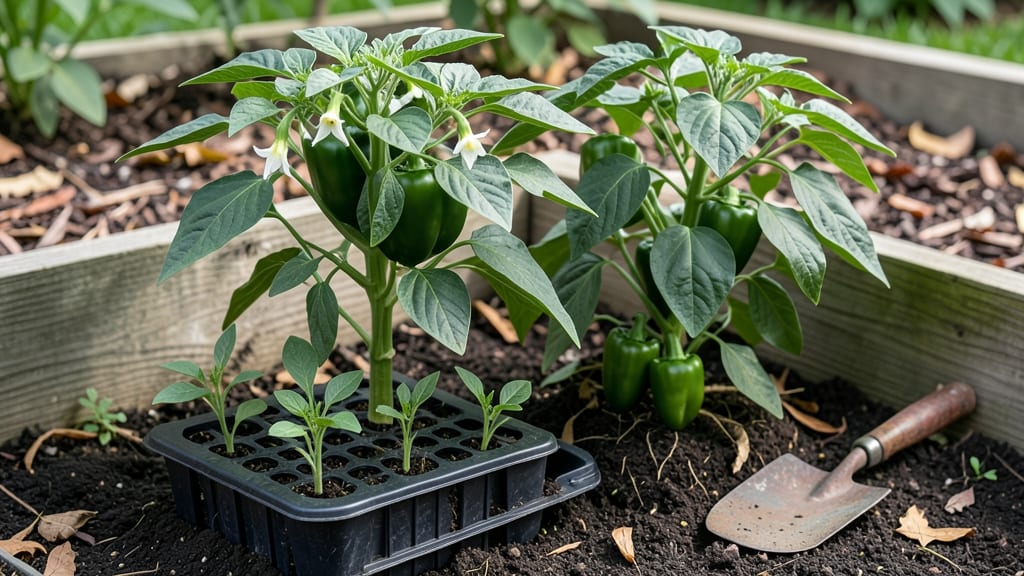
Planting peppers in Ohio after the last frost date—typically mid-April to early May—sets the stage for a bountiful harvest, but timing is everything.
Ohio’s unpredictable spring weather can turn your pepper plants 🌶️ into a gamble unless you know the exact frost-free windows for each variety. Miss the mark, and you risk stunted growth or worse—plants that bolt before they bear fruit.
In this guide, I’ll break down the best planting times for bell peppers, jalapeños, and hot varieties, accounting for Ohio’s regional differences (like the cooler north vs. warmer south). You’ll also learn how to extend the season with row covers and heat-tolerant picks.
Ready to grow more peppers with fewer headaches? Let’s dive into the frost-free dates, soil prep, and pro tips that keep Ohio gardens thriving.
Ohio’s pepper planting timeline: frost-free dates by region and variety
Ohio’s last frost dates can vary by 10-14 days between northern and southern regions, making timing critical for pepper success. In USDA Zone 5 (north), like Cleveland, peppers should wait until May 10-20 after soil warms to 60°F+.
Meanwhile, Zone 6-7 (south), like Cincinnati or Columbus, can plant 2 weeks earlier—around April 25-May 10—thanks to milder microclimates. This regional shift ensures heat-loving peppers thrive before Ohio’s humid summers arrive.
Direct sowing seeds 1-2 weeks after your last frost date gives peppers a head start, but transplants (purchased or homegrown) need warmer soil—aim for 65°F+—to avoid stunted growth. Bell peppers, with their longer maturity (75-90 days), benefit from earlier transplanting, while jalapeños and cayennes (60-75 days) can tolerate slightly later starts.
My rule of thumb: Plant transplants 2-3 weeks before direct seeds to maximize yield.
Ohio’s frost-free window averages 165 days, but northern regions often see 10-14 fewer days of warmth. Use this summary-table to pinpoint your ideal planting dates by pepper type and region, plus heat-unit calculations to avoid common mistakes like overcrowding or planting too late.
| Region | Avg. Last Frost | Transplant Window | Direct Sow Window | Heat Units Needed | Best Varieties |
|---|---|---|---|---|---|
| Northern OH (Cleveland, Toledo) | April 15–May 1 | May 10–20 (soil 65°F+) | May 25–June 5 | 1,200–1,500°F | Early bell, 'Jupiter' jalapeño |
| Central OH (Columbus, Dayton) | April 1–April 15 | April 25–May 10 | May 10–20 | 1,300–1,600°F | 'Carmen' bell, 'Apache' cayenne |
| Southern OH (Cincinnati, Athens) | March 20–April 5 | April 15–25 | April 30–May 10 | 1,400–1,700°F | 'Sweet Banana' pepper, 'Lipstick' jalapeño |
| All Regions (Late Varieties) | N/A (extend season) | June 1–15 (with row covers) | June 15–July 1 | 1,000–1,300°F | 'Black Beauty' bell, 'Serrano' pepper |
For northern Ohio, where late frosts are common, I recommend starting transplants indoors by March 15 to have mature plants ready for May 10.
Use grow lights to ensure 6-8 hours of light daily—pepper seedlings stretch without enough light, leading to weak stems that snap in wind. Southern Ohio gardeners can push direct sowing slightly earlier, but always monitor soil temps with a soil thermometer—peppers won’t germinate below 60°F.
Bell peppers, needing 75-90 days to mature, are the most sensitive to late starts. In Zone 5, plant 'Early California Wonder' by May 1 to avoid small, underdeveloped fruit before frost. Jalapeños and cayennes, faster-maturing (60-75 days), can handle later plantings—even June 1 in southern Ohio—if you use row covers for early-season protection. My go-to variety for northern gardens is 'Lunchbox' jalapeño; it’s compact and productive in short seasons.
Ohio’s humidity spikes in July and August, which can stress pepper plants
How to extend Ohio’s pepper growing season for larger harvests
Ohio’s short growing season can feel like a race against time for pepper lovers—especially when late frosts or early chills threaten your heat-loving peppers. The key to bigger harvests isn’t just planting early; it’s strategically protecting your plants from temperature swings.
I’ve learned that even a 10°F dip can stunt growth or trigger blossom drop, so I’ve perfected a few tricks to keep my jalapeños and bell peppers thriving well into October.
First, focus on soil temperature, which needs to stay above 60°F for peppers to germinate and grow. Cold soil slows root development, leaving plants vulnerable to stress. I use a soil thermometer to monitor warmth—especially in Ohio’s northern regions where spring lingers cooler.
Pair this with season-extending tools like row covers and cold frames, and you’ll turn Ohio’s unpredictable climate into an advantage.
🌱 5 Proven Ways to Extend Ohio’s Pepper Season
- 1. Use row covers to shield seedlings from late frosts (32-35°F protection).
- 2. Plant heat-tolerant varieties like ‘Carolina Wonder’ or ‘Jupiter’ peppers.
- 3. Succession plant every 2-3 weeks for staggered harvests.
- 4. Set up cold frames to trap heat and extend the season by 4-6 weeks.
- 5. Mulch heavily with straw to insulate roots and retain 60°F+ soil temps.
One of my favorite heat-tolerant varieties is ‘NuMex Heritage’, which handles Ohio’s 80°F+ stretches without wilting. I also swear by succession planting: instead of one big batch, I plant half my peppers in May and the rest in early June.
This ensures a steady supply of fresh peppers even when summer cools down. For late-season protection, I cover plants with floating row covers as soon as nighttime temps dip below 55°F.
Cold frames are another game-changer. A simple low-tunnel setup with clear plastic can add 10-15°F of warmth, letting me harvest peppers well into October. I place mine on south-facing slopes to maximize sunlight, and I vent them during 90°F+ days to prevent overheating.
Even in Ohio’s Zone 6a, this keeps peppers producing when other gardens have already given up.
Don’t overlook soil prep, either. Amend your beds with compost and aged manure before planting to boost warmth retention. I also mix in black plastic mulch to raise soil temps by 5-10°F—critical for early starts.
Pair this with drip irrigation to keep roots consistently moist, and your peppers will reward you with larger, sweeter fruit all season long.
Finally, keep an eye on pest pressure as seasons change. Aphids and spider mites thrive in Ohio’s humid summers, but a neem oil spray every 2 weeks keeps them in check.
With these strategies, I’ve gone from 5 pounds of peppers to 20+ pounds per season—all while beating Ohio’s early frosts.