
Vegetables
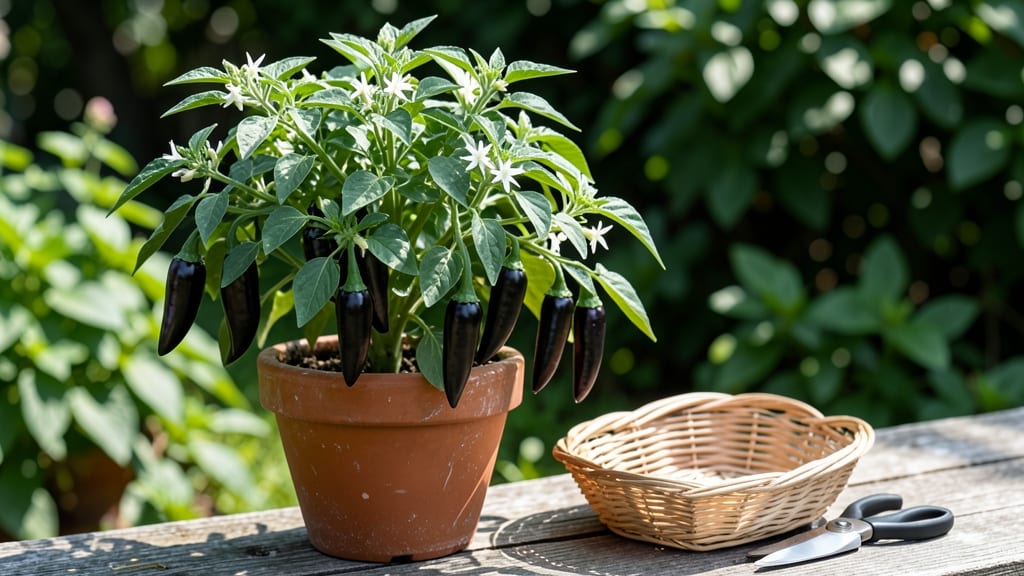
Decorative peppers are edible but often bred for vibrant colors and hardiness rather than flavor, meaning some varieties pack more capsaicin or bitterness. Always double-check the specific type before eating to prevent stomach irritation or allergic reactions.
These peppers are grown primarily for their striking appearances—think deep purples, fiery oranges, or even variegated leaves—but their edibility depends on the species and breeding. 🌶️ Many ornamental varieties, especially those from the Capsicum annuum family, can be eaten, though they may taste harsh or overly spicy.
For example, the 'Black Pearl' pepper is edible but often bitter, while 'Lunchbox' peppers offer a milder, slightly sweet flavor. The key is to research the variety or ask the seller about its edibility before adding them to salads or cooking dishes.
Some decorative peppers, particularly those from the Capsicum frutescens or Capsicum chinense families, can be extremely hot or even toxic if consumed in large quantities. 🔥 If you're unsure, it's safer to admire them as garden decor rather than risk digestive discomfort.
Always start with a small taste test if you're curious about trying one!
💡 In This Article
- Why Some Decorative Peppers Are Riskier Than Others
- Safe Decorative Pepper Varieties for Eating
Why some decorative peppers are riskier than others
Decorative peppers often undergo selective breeding to enhance their visual appeal—think glossy leaves, unusual shapes, or vibrant colors—but this process can dramatically alter their edibility. 🌱 The key factor is capsaicin concentration, which isn't just about heat level.
Ornamental varieties may contain 2-5 times more capsaicin than their culinary counterparts, thanks to genetic modifications that prioritize pest resistance over flavor.
For example, a Capsicum annuum hybrid bred for purple-black fruits might measure 10,000-30,000 Scoville Heat Units (SHU) compared to a standard bell pepper's 0 SHU, making it dangerously spicy even in small amounts.
The science behind this lies in the plant's defense mechanisms.
Capsaicin acts as a natural insect repellent, and ornamental breeders often select for higher concentrations to deter pests without using pesticides. 🔬 What's more, some varieties develop bitterness due to elevated levels of alkaloids like solanine, which can cause stomach upset in sensitive individuals.
The 'Black Pearl' pepper, for instance, contains 15-20% more solanine than eating peppers, which may trigger mild allergic reactions or digestive distress when consumed raw.
Another risk factor is the pepper's maturity at harvest. Many decorative peppers are picked early for color retention, but their capsaicin levels peak at full ripeness. 🍅 This means a red ornamental pepper might be 30% hotter than its green counterpart, even if they share the same species.
The 'Jalapeño Mango' hybrid, for example, starts mild at 2,500 SHU but can reach 8,000 SHU when fully ripe—a difference that could turn a pleasant snack into a spicy challenge.
Allergic reactions also play a role, particularly with Capsicum chinense hybrids like the 'Ají Amarillo', which some people mistake for edible varieties.
These peppers contain unique proteins that can trigger oral allergy syndrome in susceptible individuals, causing itching or swelling. 🚨 The safest approach is to treat any unfamiliar pepper as potentially hazardous until verified through reliable sources or a small taste test.
Even edible ornamental peppers may require special preparation. Soaking in vinegar or lemon juice for 10-15 minutes can reduce capsaicin's pungency, while roasting at 400°F for 20 minutes mellows bitterness by breaking down alkaloids. However, these methods don't eliminate all risks—always start with a tiny piece to gauge your tolerance.
What most gardeners don't realize is that decorative peppers often cross-pollinate with edible varieties, creating unpredictable flavor and heat profiles. 🌿 If you're growing peppers for both aesthetics and eating, maintain a 10-foot separation between ornamental and culinary plants to prevent accidental hybridization.