
Vegetables
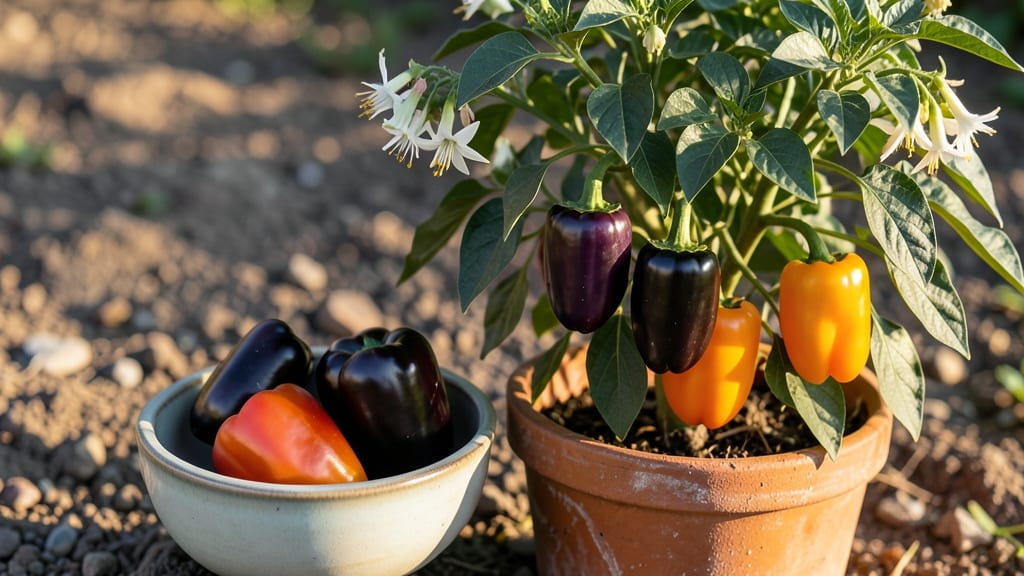
Yes, ornamental peppers are poisonous if ingested in large quantities, as they contain capsaicin and solanine that can trigger nausea, vomiting, or skin irritation. Children and pets face the highest risk, but careful handling significantly reduces exposure dangers.
Ornamental peppers pack a visual punch with their vibrant colors, but their toxicity comes from two key compounds: capsaicin (the same compound that makes hot peppers spicy) and solanine, a natural toxin found in nightshade plants. 🌶️ While capsaicin causes burning sensations and stomach upset, solanine can lead to more severe reactions like dizziness or even seizures in extreme cases.
The risk varies by variety—purple and black ornamental peppers often contain higher solanine levels than red or yellow types. That said, accidental nibbles from a few peppers are unlikely to cause serious harm in adults, but kids and pets need extra protection.
Here's why this matters for gardeners: these peppers aren't just pretty—they're sneaky. Their shiny skins can fool curious hands, and the seeds contain concentrated toxins.
Always wear gloves when handling them, and wash your hands thoroughly afterward. 🧤 Store them out of reach of children and pets, and consider keeping them in decorative pots rather than garden beds where accidental ingestion is more likely.
If someone does ingest ornamental peppers, watch for symptoms like drooling, vomiting, or rapid heartbeat—these are red flags to seek medical attention immediately.
💡 In This Article
- Toxicity Levels in Ornamental Peppers by Color
- Safe Handling and Gardening Precautions
Toxicity levels in ornamental peppers by color
The toxicity of ornamental peppers stems from two primary compounds: capsaicin, which creates the burning sensation, and solanine, a glycoalkaloid toxin found in nightshade plants. While capsaicin primarily affects the digestive system and skin, solanine targets the nervous system, potentially causing more severe reactions.
The concentration of these compounds varies dramatically by color, with purple and black varieties often containing 2-3 times more solanine than red or yellow types.
For example, a 1-ounce serving of purple ornamental peppers (about 10-12 peppers) could contain 5-10 milligrams of solanine, enough to trigger mild symptoms in children or pets.
In contrast, red ornamental peppers typically have 1-3 milligrams per ounce, making them less dangerous but still a concern if ingested in large quantities.
The bright yellow varieties usually fall in the middle, with 1.5-4 milligrams per ounce. 🌶️ The color difference isn't just cosmetic—it's a direct indicator of the plant's chemical defense mechanisms, which evolved to deter herbivores.
Symptoms of ingestion vary based on dosage and individual sensitivity. Capsaicin exposure often causes immediate burning in the mouth, excessive drooling, and stomach cramps. Solanine poisoning, however, may take 30 minutes to 2 hours to manifest, with symptoms including nausea, vomiting, headache, and dizziness.
In rare cases of high exposure, solanine can lead to neurological effects like confusion or seizures, particularly in children under 5 years old or pets with low body weight.
What makes this particularly tricky is that ornamental peppers often look edible—their glossy skins and vibrant colors can fool even experienced gardeners. The seeds contain the highest concentration of toxins, so accidental ingestion of just a few seeds can trigger reactions.
For instance, a 0.5-gram sample of seeds (about 50 seeds) from a purple ornamental pepper could contain enough solanine to cause mild poisoning in a small child. 🚨 This is why these peppers are frequently mistaken for regular chili peppers, which are safe to eat.
Another critical factor is the plant's maturity. Younger ornamental peppers (still green) contain lower solanine levels compared to fully ripe specimens. However, as they ripen and change color, solanine concentrations increase significantly.
This is why red ornamental peppers—often the most mature—can be particularly risky if ingested in large amounts. The key takeaway? Never assume a pepper is safe based on color alone.
To put this into perspective, compare it to other nightshade plants: a 1-ounce serving of green tomato leaves (which contain solanine) can cause similar symptoms to ingesting ornamental peppers.
However, ornamental peppers are more dangerous because their bright colors make them appealing to children and pets, increasing the risk of accidental poisoning. Always treat them as you would any toxic plant in your garden.