
Vegetables
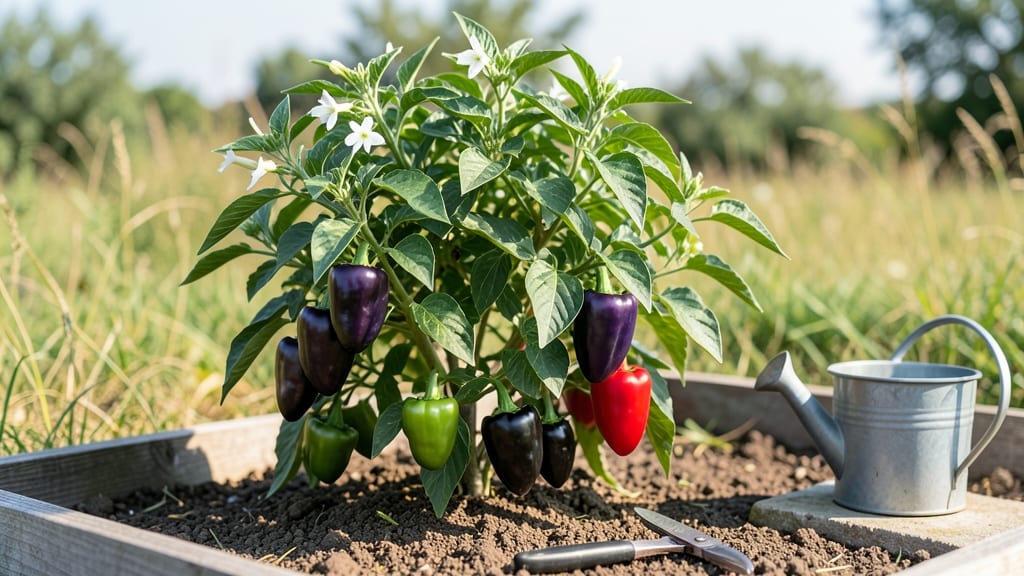
You can eat capsicum ornamental peppers—they're edible and bring vibrant color and mild heat to meals, though their taste ranges from sweet to slightly spicy depending on the type. Always wash them well to remove any pesticide residue from ornamental plants.
Ornamental peppers are often bred for their striking appearance rather than flavor, which means some varieties can be surprisingly mild or even sweet. 🌶️ The key difference from culinary peppers like jalapeños lies in their lower capsaicin content—though a few varieties pack a subtle kick.
I’ve found that the sweetest types work beautifully in salads or as colorful garnishes, while the spicier ones shine in pickled dishes or salsas. Just remember that not all ornamental peppers are edible, so always double-check before eating.
These peppers also store well when dried, making them a great pantry staple for adding visual appeal and flavor to winter dishes. Their versatility in cooking—whether fresh, dried, or pickled—lets you experiment without breaking the bank.
Just avoid assuming all ornamental peppers are safe to eat; some may contain higher pesticide levels due to their decorative growing conditions.
💡 In This Article
- Edibility and Flavor Variations in Ornamental Peppers
- Safe Culinary Uses and Preparation Tips for Ornamental Peppers
Edibility and flavor variations in ornamental peppers
Ornamental peppers are bred primarily for their stunning colors—ranging from deep purples and fiery reds to sunny yellows—but their edibility stems from belonging to the same species as culinary peppers (Capsicum annuum).
The key difference lies in their breeding focus: ornamental varieties often prioritize visual appeal over flavor intensity.
This means their capsaicin levels (the compound responsible for heat) can vary dramatically, from nearly sweet to a mild kick measuring 1,000-5,000 Scoville Heat Units (SHU), compared to jalapeños (2,500-8,000 SHU). 🌶️
Flavor profiles depend heavily on the variety. For example, 'Black Pearl' peppers offer a smoky, slightly sweet taste with minimal heat, making them ideal for garnishes, while 'Lemon Drop' varieties deliver a tangy citrus note with a mild burn.
Some hybrids even mimic bell pepper sweetness but with a hint of spice. The sweetest types often contain higher sugar content (up to 5-7% by weight) and lower acidity, similar to bell peppers, but with a more complex aroma from volatile compounds like linalool and geraniol.
Identifying safe edible types requires checking the plant's label or researching the specific variety, as some ornamental peppers may have been treated with pesticides for pest resistance. Always wash peppers thoroughly under running water for 30-60 seconds, using a vegetable brush to remove surface contaminants.
The skin's waxy coating can trap residues, so a light scrubbing with baking soda (1 teaspoon per quart of water) adds extra protection. 💫
Unlike culinary peppers, ornamental varieties often have thicker, waxier skins that can make them less tender when cooked. This trait makes them better suited for drying or pickling, where their structural integrity preserves flavor.
Their seeds also tend to be smaller and less pungent than those in hot peppers, reducing the risk of overpowering dishes. However, some varieties (like 'Apache' peppers) can reach 10,000-20,000 SHU, so always taste a small piece first.
Color isn't a reliable indicator of heat—purple or black peppers can be sweeter, while red or orange varieties might pack more spice. The key is to start with well-known edible varieties like 'Fish Pepper' or 'Jamaica Wonder' before experimenting with less common types.
These varieties are bred for both beauty and flavor, offering a safer bet for culinary use. 🔥
For those new to ornamental peppers, begin with small quantities in dishes where their color shines, such as salads or roasted vegetable medleys. Their vibrant hues add visual appeal without overwhelming the palate, making them perfect for both novice cooks and experienced chefs looking to elevate presentation.
Always cross-reference with trusted sources like the American Society for Horticultural Science for variety-specific edibility guidelines.