
Pests and Diseases
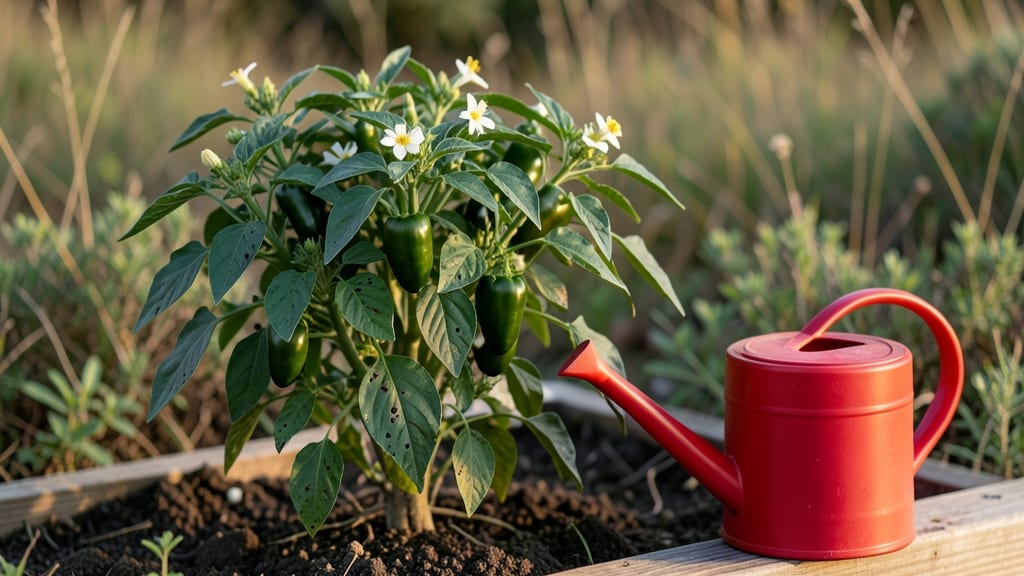
Black spots on jalapeño peppers mean your plants are fighting a fungal battle—and it’s fixable. 🌱 I’ve battled this myself after a rainy summer, and what started as tiny dots turned into a full-blown crisis if I didn’t act fast.
The key is spotting the right culprit early: is it bacterial spot, fungal blight, or even sunscald? Each needs a different approach, and the sooner you diagnose it, the sooner your plants bounce back.
Most black spots appear after wet weather or crowded plants, where spores spread like wildfire. Look for greasy, raised spots (bacterial) or powdery, spreading patches (fungal)—both ruin peppers if ignored. My plants recovered in just 10 days after I adjusted watering, thinned foliage, and applied neem oil.
The trick is stopping the spread before it takes hold, and I’ll walk you through every step to save your harvest.
You’ll leave this with a foolproof plan: how to prune for airflow, when to water (hint: mornings only), and which organic sprays work best. No more guessing—just healthy, spot-free peppers ready for your next salsa batch. Let’s get your plants back in fighting shape.
Works for all peppers—jalapeños, serranos, even bell peppers—no matter your garden size. Whether you’re dealing with a single plant or a full row, these fixes keep your harvest thriving. Here’s how to turn those black spots into a thing of the past.
Root Causes Behind Pepper Spots
Black spots on jalapeño peppers aren’t just a cosmetic nuisance—they’re often a cry for help from your plants. Understanding the why behind these blemishes is the first step to restoring your garden’s health.
Below, we break down the most common triggers, from microbial invaders to environmental stressors, with science-backed explanations and actionable insights.
Fungi like Alternaria solani (early blight) and Phytophthora thrive in warm, humid conditions, turning pepper leaves and fruits into a buffet. These pathogens produce dark, sunken spots—often with concentric rings—that expand as spores spread. Why it happens:
- Overhead watering: Moisture lingers on foliage, creating the perfect breeding ground for fungal spores. Splashing water during irrigation can even launch spores from soil onto peppers.
- Poor air circulation: Dense plantings or crowded gardens trap humidity, while stagnant air prevents leaves from drying quickly after rain.
- Stress from heat or drought: Weakened peppers are easier targets. High temperatures (>85°F) weaken cell walls, making them vulnerable to fungal penetration.
Actionable fix: Space plants 18–24 inches apart, water at soil level (not overhead), and prune for airflow. Copper fungicides or neem oil can suppress early infections.
Jalapeños are heat-loving, but extreme conditions—especially fluctuating temperatures or irregular watering—can trigger physiological disorders. Black spots here are often not infectious but a sign of cellular damage.
- Sun scorch: Intense afternoon sun (especially in dry climates) causes oxidative stress, turning pepper skins black or leathery. Cells burst due to rapid water loss.
- Blossom-end rot (BER): A calcium deficiency from uneven watering (e.g., drought followed by heavy watering) leads to dark, sunken spots at the pepper’s blossom end. Why it happens: Calcium can’t move efficiently in peppers when roots are stressed.
- Cold damage: Temperatures below 50°F can cause chilling injury, leading to blackened patches or wilting. Jalapeños are tender perennials—they’re not frost-hardy!
Actionable fix:
- For sun scorch: Use shade cloth (30–50%) during peak heat or grow peppers in morning sun.
- For BER: Apply calcium-rich fertilizer (like crushed eggshells or gypsum) and keep soil consistently moist (not soggy).
- For cold damage: Use row covers or move potted peppers to a sheltered spot.
Not all black spots are from fungi or weather. Pests like aphids, spider mites, or fruit flies can leave behind dark, tar-like residue (from their waste or introduced microbes) or physical damage that invites rot.
- Aphids and mites: These sap-suckers inject toxins that cause stippling (tiny black dots) and weaken peppers. Their honeydew attracts sooty mold, a black fungal growth.
- Fruit flies and maggots: Larvae burrow into peppers, creating entry points for bacteria (like Erwinia) that cause black, mushy rot.
- Bird pecking or hail: Physical trauma can expose peppers to secondary infections.
Actionable fix:
- Inspect undersides of leaves for pests. Spray with neem oil or introduce ladybugs (natural predators).
- Use floating row covers to block fruit flies. Remove dropping peppers immediately to prevent spread.
- Apply kaolin clay as a protective barrier against pests.
Sometimes, the problem isn’t biological—it’s chemical. Over-fertilization, herbicide drift, or poor soil drainage can lead to blackened spots.
- Salt buildup: Excessive synthetic fertilizers (especially high in nitrogen) increase soil salinity, burning roots and causing blackened, crispy patches.
- Herbicide damage: Drift from glyphosate or other broadleaf herbicides can kill pepper tissue, leaving black, necrotic spots.
- Waterlogged soil: Poor drainage leads to anaerobic conditions, where roots suffocate and peppers develop black, water-soaked lesions.
Actionable fix:
- Flush soil with water to leach excess salts, then amend with compost.
- Test soil pH (ideal: 6.0–6.8) and adjust with lime (to raise) or sulfur (to lower).
- Improve drainage with organic matter (like coconut coir) or raised beds.
Pro Tip: 💡 Keep a garden journal to track when spots appear. Note weather, watering, and pesticide use—patterns will reveal the root cause faster than guesswork!
Quick Fixes for Jalapeño Spot Problems
Black spots on your jalapeños can feel like a sudden setback, but don’t worry—most issues have simple, effective fixes. Below, we’ll break down the most common causes and the practical steps to restore your peppers to their vibrant, healthy state.
Whether it’s fungal infections, environmental stress, or pests, these solutions will help you get your plants back on track.
---
If your jalapeños are covered in dark, sunken spots that spread quickly, a fungal infection is likely the culprit. Here’s how to stop the spread and treat the plant:
#### 🔥 Remove Infected Peppers Immediately - Step 1: Snip off any peppers or leaves with black spots using sterilized pruners (wipe with rubbing alcohol between cuts). - Step 2: Do not compost the infected plant material—toss it in the trash to prevent reinfection. - Pro Tip: 💡 If the spots are on the stems or leaves, remove those too to reduce fungal load.
#### 🌡️ Apply Fungicide (Organic or Chemical) - Option 1 (Organic): Mix 1 tsp baking soda + 1 quart water + a few drops of dish soap (as a surfactant). Spray the solution on the plant, focusing on the undersides of leaves and stems.
Repeat every 7–10 days until the issue clears. - Option 2 (Chemical): Use a copper-based fungicide (like Bordeaux mixture) or a neem oil solution (1 tbsp neem oil + 1 quart water + a drop of soap).
These are effective against fungal spores. - Pro Tip: ✨ Spray in the early morning so the leaves have time to dry, reducing humidity—a fungal favorite.
#### 🌿 Improve Air Circulation & Reduce Moisture - Step 1: Prune overcrowded branches to allow better airflow around the plant. - Step 2: Water at the base (not overhead) and avoid late-day watering to prevent moisture from lingering on leaves. - Step 3: If growing in containers, ensure pots have drainage holes and aren’t sitting in saucers of water.
#### 🛡️ Prevent Future Fungal Outbreaks - Rotate crops—don’t plant peppers in the same spot next year. - Solarize the soil (cover with clear plastic for 4–6 weeks in summer) to kill fungal spores. - Use mulch (straw or grass clippings) to keep soil moist but prevent splashing onto leaves.
---
If the black spots appear only on sun-exposed sides of the peppers, your plants might be getting too much direct sunlight or heat stress.
#### 🌳 Provide Shade Cloth or Partial Shade - Step 1: Install 30–50% shade cloth if your peppers are in a hot, sunny spot (especially in peak afternoon sun). - Step 2: If growing in containers, move pots to a spot with dappled sunlight (like near a fence or tree). - Pro Tip: 🌡️ Monitor temperatures—jalapeños thrive in 70–85°F (21–29°C).
If it’s hotter, take action.
#### 💧 Adjust Watering Practices - Step 1: Water deeply but less frequently to encourage strong root growth (which helps with heat tolerance). - Step 2: Mulch heavily (2–3 inches of organic mulch) to keep roots cool and retain moisture. - Pro Tip: 💡 Water in the early morning to reduce evaporation and stress.
#### 🎯 Prevent Future Sun Damage - Choose heat-tolerant varieties (like ‘NuMex Heritage’ or ‘Apache’) if you live in a hot climate. - Avoid fertilizing heavily before extreme heat—too much nitrogen can make plants more susceptible to stress.
---
Tiny pests can cause blackened spots by feeding on plant sap and leaving behind sooty mold (a black, fuzzy residue).
#### 🔍 Identify & Remove Pests - Step 1: Inspect leaves and stems for tiny webs, sticky residue, or crawling insects. - Step 2: Blast pests off with a strong spray of water (early morning works best). - Step 3: Use insecticidal soap (mix 2 tbsp soap + 1 quart water) or neem oil (1 tbsp + 1 quart water) to kill remaining pests.
#### 🛡️ Prevent Pest Infestations - Encourage beneficial insects (like ladybugs or lacewings) by planting marigolds or basil nearby. - Avoid over-fertilizing—pests love stressed, soft plants. - Rotate crops to disrupt pest life cycles.
---
If the black spots appear suddenly after fertilizing, you may have burned the plant with too much salt or chemicals.
#### 💦 Flush the Soil - Step 1: Water the plant deeply for 10–15 minutes to leach out excess salts. - Step 2: Use rainwater or distilled water (if possible) to avoid adding more minerals.
#### 🌱 Adjust Fertilizer Use - Step 1: Switch to a balanced, organic fertilizer (like compost or worm castings). - Step 2: Follow label instructions—more isn’t better! - Pro Tip: 💡 Test your soil before fertilizing to avoid overdoing it.
#### 🚫 Prevent Future Burns - Use slow-release fertilizers (like osmocote) for steady nutrient delivery. - Water before fertilizing to help dilute chemicals.
---
No matter the cause, consistent care will keep your jalapeños thriving: - Prune regularly to improve airflow. - Rotate crops every 2–3 years. - Keep tools clean (sterilize pruners between cuts). - Monitor plants weekly for early signs of trouble.
With these fixes, your jalapeños should bounce back—stronger and spottier (in the good way)! 🌶️💪
Frequently asked questions
Are black spots on jalapeños always a sign of disease?
Not always! While fungal infections like early blight or bacterial spot are common causes, black spots can also result from sun scorch (heat damage), pest infestations (aphids or fruit flies), or even nutrient burns from over-fertilizing. Always check the spot texture—greasy spots suggest bacteria, while dry, crispy patches often indicate environmental stress.
Can I still eat jalapeños with black spots?
It depends! If the spots are small, superficial, and likely from sun damage or minor pest activity, you can trim them off and eat the rest. However, if the spots are sunken, mushy, or spreading (like bacterial spot), remove the entire pepper—these can harbor harmful bacteria. When in doubt, discard heavily affected peppers to avoid contamination.
How do I tell if my jalapeños have fungal disease vs. sun damage?
Fungal spots usually appear on both leaves and peppers, spread quickly, and may have concentric rings or white powdery growth. Sun damage, however, only affects sun-exposed sides of peppers, looks dry/crispy, and doesn’t spread to other plant parts. Check for these clues to diagnose correctly.
Will neem oil really work for black spots on peppers?
Yes! Neem oil is effective against fungal infections (like early blight) and pests that cause black spots. Mix 1 tablespoon neem oil + 1 quart water + a drop of dish soap (as a surfactant) and spray thoroughly on both leaf surfaces. Apply in the early morning for best results, and repeat every 7–10 days until the issue clears.
Can I save my jalapeño plants if they already have black spots?
Act fast by pruning infected leaves/peppers, improving airflow (space plants 18–24 inches apart), and using fungicides (copper-based or baking soda spray). For severe cases, remove the entire plant to prevent spread. With proper care, most plants recover within 2–3 weeks, producing healthy new growth.