
Picking
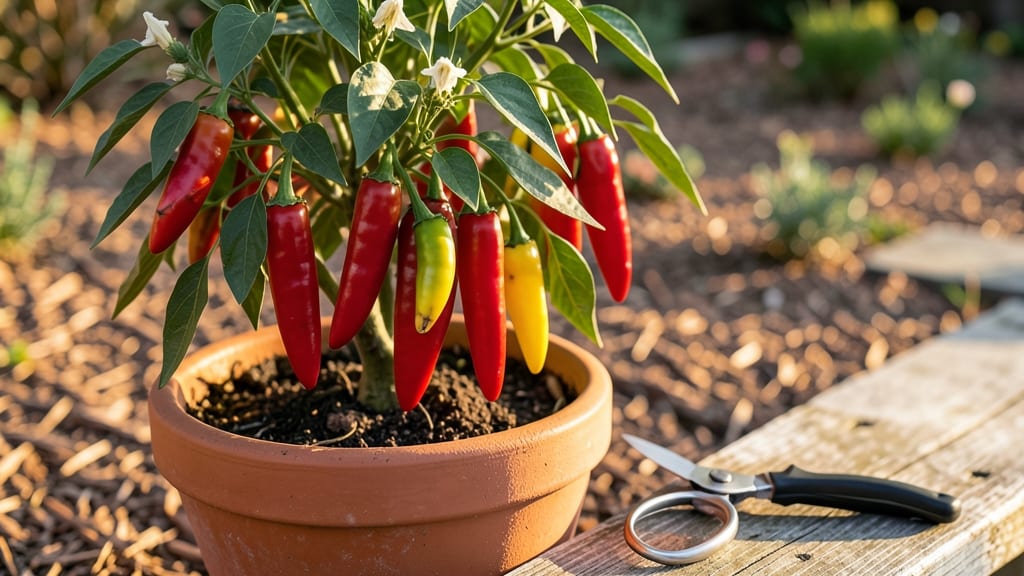
Banana peppers turn red when they ripen because their cells produce more lycopene—a vibrant red pigment triggered by ethylene gas and sunlight. This biochemical change reduces their spiciness while intensifying sweetness, creating a milder, fruitier flavor profile. The process also boosts their nutritional value, particularly antioxidants.
This color transformation happens naturally as the peppers mature, shifting from green chlorophyll to red lycopene dominance. 🌱 The ethylene gas released during ripening acts like a biological switch, activating lycopene production while gradually breaking down capsaicin—the compound responsible for heat.
Sunlight exposure further accelerates this process, making peppers grown in warm climates redden faster. What's fascinating is how this ripening cycle affects both taste and nutrition—red banana peppers often contain up to 50% more antioxidants than their green counterparts.
For gardeners, timing is everything. Harvesting green peppers yields a sharper, crunchier bite ideal for pickling, while waiting for red peppers delivers a sweeter, more complex flavor perfect for fresh eating or cooking.
The key is monitoring the pepper's color progression—once they turn fully red, they'll continue softening if left too long on the vine, losing their crisp texture.
💡 In This Article
- How Ripening Triggers Banana Pepper Color and Flavor Changes
- Harvesting Banana Peppers at the Perfect Stage for Optimal Flavor
How ripening triggers banana pepper color and flavor changes
The transformation from green to red in banana peppers starts with a biochemical battle between two pigments: chlorophyll and lycopene. When peppers are young, chlorophyll dominates, giving them that bright green color while masking other flavors.
As they mature, ethylene gas—a natural plant hormone—triggers the breakdown of chlorophyll and activates lycopene production. This pigment, responsible for the red hue, accumulates in the pepper's cell walls, creating that striking color shift. 🔥
Temperature and sunlight play crucial roles in this process. Peppers exposed to 75-85°F temperatures and 6-8 hours of direct sunlight daily ripen faster, producing more lycopene. In cooler climates, peppers may take 3-4 weeks longer to turn red compared to 2-3 weeks in warm regions.
Interestingly, lycopene isn't just about color—it's also an antioxidant powerhouse, with red banana peppers containing up to 50% more vitamin C than green ones.
The flavor transformation happens because lycopene production coincides with a decline in capsaicin—the compound that gives peppers their heat. Green banana peppers have a Scoville rating of 1,000-2,000, while red ones drop to 500-1,000, making them noticeably sweeter and milder.
This shift is why red peppers are often described as having a "fruitier" taste, with notes of tomato and berry that complement savory dishes beautifully.
What's fascinating is how this process affects texture too. As peppers ripen, their cell walls soften slightly, reducing the crisp snap of green peppers. However, they never become mushy—red banana peppers maintain a firm yet tender bite.
For example, a green pepper might have a crunch factor of 8/10 when raw, while a red one scores 6/10, making them better suited for cooking where texture softens further.
Here's a quick comparison of the chemical shifts:
- Chlorophyll: Dominates in green peppers, masking other flavors (concentration: 0.5-1.0 mg/g)
- Lycopene: Peaks in red peppers, enhancing sweetness and color (concentration: 1.5-3.0 mg/g)
- Capsaicin: Declines by 30-50% during ripening, reducing heat
- Vitamin C: Increases by 40-60% in red peppers
The ethylene gas doesn't just trigger color changes—it also signals the pepper's metabolic shift toward seed maturation. This is why overripe peppers develop wrinkled skins and softer textures, as the plant redirects energy toward seed development rather than flesh quality.
Understanding this process helps gardeners and chefs make informed decisions about when to harvest for optimal flavor and texture. ✨