
How To
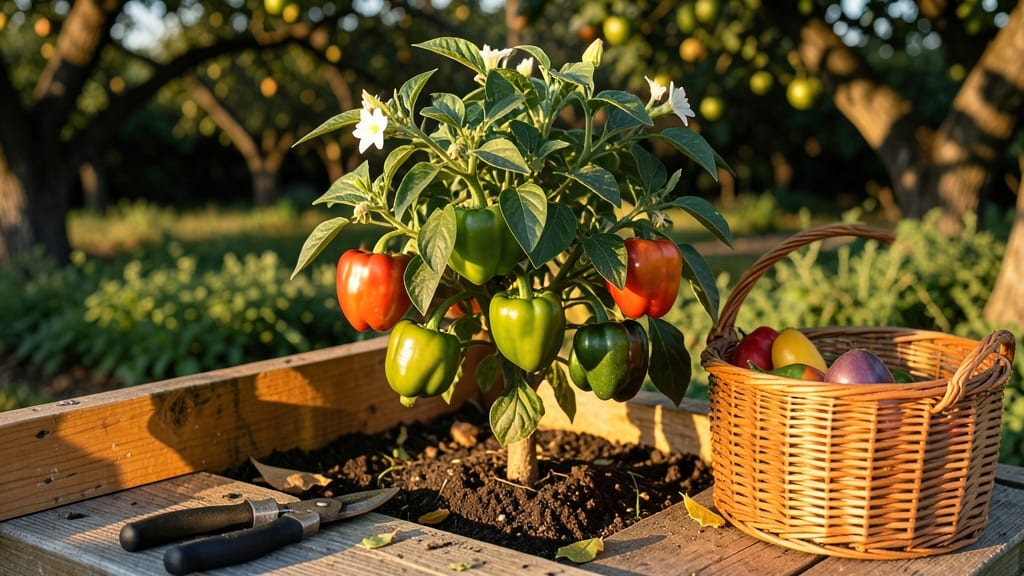
To pick Lunchbox Peppers🌶️ at their peak, watch for that telltale color shift from green to vibrant yellow, orange, or red—because timing is everything for flavor and texture.
Picture this: you’ve nurtured your compact pepper plants all summer, and now they’re bursting with potential. But harvest too early, and you miss the sweetness; too late, and they turn mealy.
The key? Catching them when the skin gives just slightly under gentle pressure and the color is deep and even.
In Zone 6a, your July–October harvest window is your best shot at perfect peppers. But climate tweaks matter—cooler areas may need to wait until late August, while hotter zones could see early September picks.
I’ll walk you through the exact cues to avoid common mistakes and keep your plants producing.
Beyond color, you’ll learn how to test firmness, size, and stem readiness—plus how to store and use your harvest at every ripeness stage. Ready to turn your garden into a flavor factory? Let’s dive in.

Lunchbox pepper color stages: what each hue means for flavor and texture
Lunchbox peppers undergo a dramatic color transformation as they mature, each stage revealing a different flavor profile and textural quality. From vibrant green to rich red or golden yellow, understanding these shifts helps you harvest at peak sweetness and avoid bitter overripeness.
The journey begins with immature green peppers that pack heat but lack sweetness, evolving into fully ripe treasures bursting with flavor.
Most gardeners focus on the final color—whether it's deep red, fiery orange, or sunny yellow—but the transition stages hold secrets too. For example, a pepper might start yellowing at the tip while still green at the base, signaling it's almost ready but not quite.
This uneven ripening is common in lunchbox varieties, so pay close attention to the stem end and skin glossiness for accurate timing.
Color isn't the only clue—firmness and size matter too. A perfectly ripe lunchbox pepper should be 3-4 inches long, feel slightly soft when gently squeezed (not mushy), and have a glossy, paper-thin skin. Overripe peppers often develop wrinkled skin and a dull finish, indicating they've passed their prime. The key is to pick them just as the color deepens fully, ensuring maximum sweetness and crunch.
| Color Stage | Sweetness Level | Heat Level | Best Uses | Harvest Tip |
|---|---|---|---|---|
| Green | Low | High | Pickling, stir-fries | Harvest when 2-3" long |
| Yellow/Orange (Breaker) | Medium | Moderate | Raw snacks, salads | Pick when 50% colored |
| Red/Orange/Yellow (Mature) | High | Low | Roasting, sauces, fresh eating | Harvest when fully colored |
| Overripe | Very Low | High (bitter) | Fermenting, compost | Avoid wrinkled skin |
The green stage is where lunchbox peppers start their life, often spicy and firm with minimal sweetness. These are best for quick-cooking dishes like stir-fries or pickling, where their crisp texture holds up well.
If you harvest them too early, they'll lack the complex flavors developed during ripening, but they're still edible and packed with vitamin C. I like to pick a few green peppers early in the season to use in salsas or relishes while waiting for the main harvest.
As lunchbox peppers transition to yellow or orange, they enter the breaker stage, where sweetness begins to outpace heat. This is the perfect time for raw snacks or salads, as the skin softens slightly and the flavor mellows.
The color shift often starts at the tip, so check for 50% color change before harvesting. Breaker peppers are my go-to for stuffing or grilling, as their balanced flavor shines in these preparations.
When lunchbox peppers reach their final color—whether it's deep red, golden yellow, or vibrant orange—they're at their sweetest and most flavorful. This stage is ideal for roasting, making sauces, or eating fresh, as the sugar content peaks and the heat diminishes.
Fully ripe peppers should separate easily from the stem with a gentle twist, and their skin should be glossy and thin. If you wait too long, they'll become wrinkled and mealy, losing their crispness and developing a bitter aftertaste.
One of my biggest mistakes early on was leaving peppers too long on the vine, thinking they'd get sweeter. Instead, they turned overripe and unappetizing.
A good rule of thumb is to harvest lunchbox peppers within 2-3 days of full color, especially in hot climates where ripening happens quickly. If you're unsure, pick them slightly early—they'll continue ripening indoors at room temperature for a day or two.
Climate plays a huge role in ripening speed. In cooler regions
Proven tricks to test pepper ripeness beyond color (touch, size, stem checks)
Color isn't the only indicator that your lunchbox peppers are ready for harvest. While vibrant hues signal ripeness, combining touch tests and size benchmarks ensures you don't miss peak flavor. Many gardeners overlook these subtle cues, leading to underripe or overripe peppers that compromise taste and texture.
For example, a deep red lunchbox pepper might still feel rock-hard if picked too early, while a yellow variety could be mealy if left hanging too long.
These tricks work for all bell pepper hybrids, including lunchbox types, and help you avoid common mistakes like harvesting when peppers are still green at the stem.
⚠️ callout warning⚠️ Warning: Overripe Lunchbox Peppers
Picking lunchbox peppers too late leads to soft, seedy interiors and bitter flavors. If the stem snaps cleanly but the pepper feels spongy when squeezed, it's past its prime. Harvest within 2-3 days of perfect ripeness to preserve sweetness.
Start by checking the pepper size—ideal lunchbox peppers reach 3-4 inches long when fully ripe. Use your thumb and forefinger to gently squeeze the sides: a ripe pepper should yield slightly but remain firm. This firmness test works best in the morning when peppers are cool and hydrated.
Next, examine the stem attachment. A ripe lunchbox pepper will have a dry, brown stem base that separates easily with a slight twist. If the stem resists separation or remains green, the pepper needs more time.
This stem check is especially useful for unevenly colored peppers, which may appear ripe on one side but not the other.
For color-changing varieties, combine these tests with visual cues. A red lunchbox pepper should have uniform color with no green patches, while yellow or orange types may develop slight wrinkling at the blossom end—a sign of perfect ripeness.
Always harvest on a dry morning to prevent stem rot during transport.
Pro tip: Harvest every 2-3 days during peak season to encourage continuous production. Use clean pruning shears to avoid damaging the plant, and store peppers in a cool, dark place for up to 2 weeks. These simple checks will transform your harvest from good to exceptional every season. 🌶️