
How To
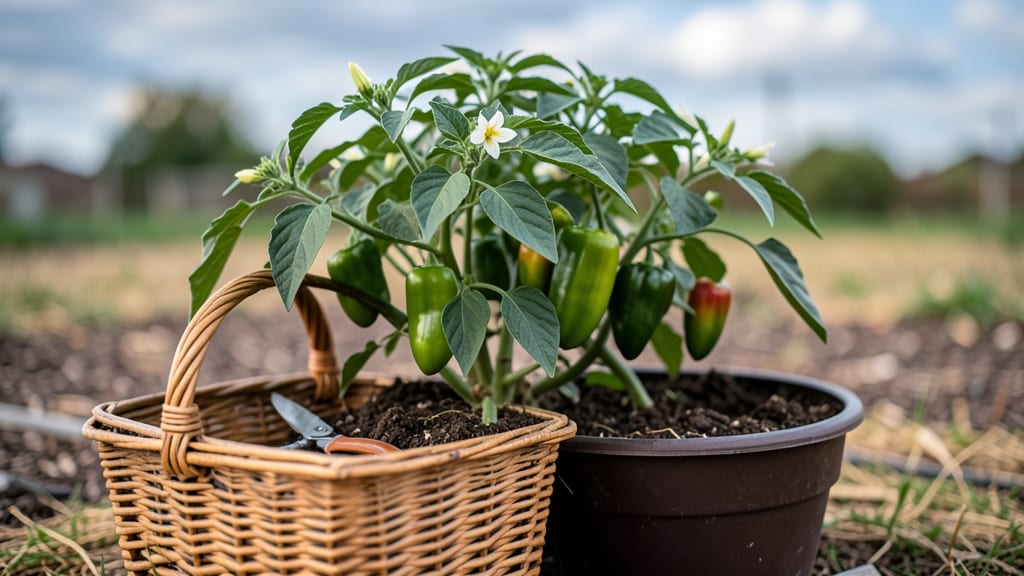
Picking jalapeño peppers at the right time means the difference between mild, rubbery pods and fiery, flavor-packed 🌶️ treasures—here’s how to nail the perfect moment.
Ever snagged a pepper that was still tough and bland, or waited too long and ended up with a shriveled, overripe mess? Timing is everything, and it’s not just about color—size, firmness, and even the heat level play a role.
In USDA Zone 6, where frost can sneak in by October, you’ve got just a few months to harvest before the cold sets in.
But don’t stress—this guide breaks down the exact signs to watch for, from deep green hues to the ideal size and texture, so you never miss peak season.
You’ll learn how to test ripeness at home, whether to harvest green for pickling or red for maximum heat, and even how to store them to keep the flavor bold and fresh long after the garden’s done.

How to identify jalapeño pepper ripeness by color and size
Jalapeño peppers start their life as bright green pods but can transform into fiery red or yellow treasures if left on the vine. The color transition isn’t just about aesthetics—it directly impacts heat levels and flavor intensity. For the spiciest, most flavorful peppers, timing your harvest is everything.
I’ve learned that green jalapeños are typically harvested for pickling or fresh eating, while red or yellow varieties offer a sweeter, milder kick. Let’s break down the exact color stages and size benchmarks to ensure you’re picking at peak perfection.
Most jalapeño varieties reach their optimal harvest size between 3 to 5 inches in length. At this stage, the pepper’s walls are thick, and the flesh is firm but yields slightly when pressed with your thumbnail.
If you’re growing a compact variety, like the ‘Mini Jalapeño,’ you might harvest as small as 2 inches, but these will be less potent.
Pay attention to the stem end—when it turns from white to brown or yellow, that’s your cue that the pepper is maturing and ready for the table.
Here’s the color timeline you need to know: Green is the standard harvest stage for most gardeners, but if you leave peppers on the vine, they’ll gradually shift to red, orange, or yellow.
This color change signals a drop in capsaicin levels (the compound responsible for heat), making them milder and slightly sweeter. For pickling, green jalapeños are ideal because they hold their shape and heat better during the curing process.
If you’re aiming for fresh eating or salsas, you can experiment with partially red peppers for a balanced flavor.
| Stage | Color | Size | Best For | Heat Level |
|---|---|---|---|---|
| Early Green | Pale to medium green | 2-3 inches | Discard or compost | Low (underripe) |
| Mature Green | Deep green | 3-5 inches | Pickling, fresh eating | High (peak heat) |
| Turning (Red/Yellow) | Red, orange, or yellow | 4-6 inches | Fresh use, sauces | Medium (lower capsaicin) |
| Overripe | Dull red/brown | 6+ inches | Avoid (loss of flavor) | Very low (bitter) |
If you’re growing jalapeños for pickling, aim to harvest when they’re deep green and 3 to 4 inches long. This ensures they hold their shape and retain their signature spicy kick during the curing process.
For fresh use, you can wait until they start showing hints of red or yellow—these peppers will have a sweeter, fruitier flavor with slightly less heat. Pro tip: Harvest in the morning when peppers are cool and crisp for the best texture.
Size matters just as much as color. A jalapeño under 2 inches is likely underripe and won’t have developed its full flavor or heat potential. On the flip side, peppers over 6 inches are often overripe, which can lead to a bitter, mealy texture and reduced heat.
The sweet spot is between 3 and 5 inches, where the walls are thick, the flesh is firm, and the heat is at its peak. Use a ruler or your hand to gauge size—most mature jalapeños fit snugly between your thumb and index finger when held horizontally.
Don’t overlook the firmness test—a ripe jalapeño should feel firm but slightly soft when gently squeezed. If it feels rock-hard, it’s not ready yet. If it’s mushy or wrinkled, it’s past its prime.
The stem separation is another key indicator: a ripe pepper’s stem should snap easily when bent, not pull away with resistance. This tells you the pepper is fully mature and ready to be picked without damaging the plant.
I’ve found that consistent harvesting encourages the plant to produce more peppers, so don’t wait too long once you spot these signs!
Regional climate plays a role in ripening too. In hotter climates, like Texas or Arizona, jalapeños may ripen faster and turn red or yellow more quickly. In cooler zones, like the Pacific Northwest, they might stay green longer. If frost threatens before your peppers ripen, harvest them green and let them ripen indoors on a sunny windows
5 Key signs your jalapeños are ready for harvesting (beyond color)
While jalapeño color is the first clue, true ripeness hides in subtle details most gardeners miss. I’ve learned the hard way that waiting for perfect timing transforms mild peppers into flavor bombs.
Beyond the deep green or red hues, these tactile and visual cues reveal when your peppers are at peak heat and flavor.
First, check the stem separation—this is my secret trick. A ripe jalapeño’s stem should pull away cleanly when you gently twist it. If it resists or tears, the pepper needs more time. This method works even for green jalapeños that haven’t turned red yet, saving you from overripe disappointments.
5 Signs Your Jalapeños Are Ready
- 🌱 Stem Snaps Easily: Twist gently—ripe stems separate cleanly without resistance.
- 🤏 Firm but Slightly Soft: Press lightly—skin should yield slightly (not rock-hard or mushy).
- 🌶️ Deep Green or Early Red: Deep green means peak heat; red/yellow signals sweeter, milder flavors.
- 📏 3–5 Inches Long: Thick walls (1/2 inch+) indicate full maturity.
- 🔥 Heat Test: Cut open—white pith means mild; yellow pith = fiery heat!
Don’t overlook the skin texture—ripe jalapeños feel slightly waxy to the touch, not rubbery or leathery. I once picked a batch that felt dry, only to discover they were overripe and bitter.
Pro tip: Run your thumbnail over the pepper’s surface—it should feel smooth and firm, not rough or sagging.
For heat testing at home, slice open a candidate pepper and check the inner pith color. A white pith means mild heat, perfect for fresh salsas, while a yellow or orange pith signals Scoville-level heat (think 2,500–8,000 SHU).
This trick works even if the pepper is still green—don’t let color fool you!
Timing matters too: harvest every 2–3 days during peak season (July–October) to encourage more pods. I’ve seen plants double their yield just by staying on top of harvests.
And if a frost is forecast? Pick green peppers immediately—they’ll ripen indoors in a paper bag with a banana (the ethylene gas speeds it up!).
Remember, overripe jalapeños lose heat and develop bitter, seedy interiors. Trust your fingers and eyes—when these 5 signs align, you’re holding a pepper packed with bold flavor and heat. Now go enjoy that homegrown fire! 🌶️