
Picking
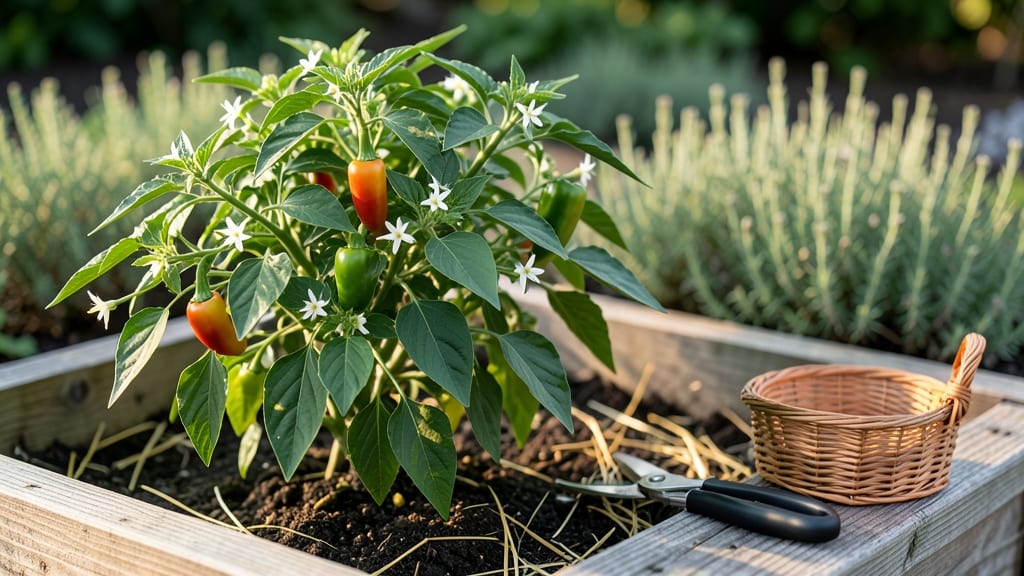
Picking a serrano pepper at the right time means the difference between mild, tangy heat and a full-blown fiery kick that lights up your salsa.
Ever bitten into a pepper that seemed perfect—only to realize it was still too mild or, worse, had gone past its prime? Timing is everything, and the visual cues (and even a quick sniff test) can save you from disappointment.
In this guide, you’ll learn the exact color shifts, size benchmarks, and heat tests to know when your 🌶️ serrano peppers are ready—whether you’re aiming for a gentle zing or maximum spice.
We’ll also cover whether to harvest all at once or pick gradually for the longest season of flavor, so you never waste a single pepper again.


How to identify serrano pepper ripeness by color and size
Serrano peppers are one of the most flavorful and versatile chili varieties, but knowing when to pick a serrano pepper can make all the difference in heat and taste. Unlike bell peppers, serranos mature quickly and change dramatically in color, size, and spiciness.
The key is recognizing these visual cues to harvest at the perfect moment—whether you prefer milder green peppers or fiery red ones.
Most gardeners focus on two main factors: color changes and size measurements. Serrano peppers start small and pale, then grow into bold, glossy pods. Each stage offers a unique balance of heat and flavor, so understanding these transitions helps you decide when to harvest for your specific needs.
For example, green serranos are milder and crispier, while red ones pack a punch with concentrated capsaicin.
| Stage | Color | Size (Inches) | Heat Level | When to Pick |
|---|---|---|---|---|
| Immature | Pale green | 1.0–1.5 | Mild (500–1,000 SHU) | Avoid—underdeveloped |
| Early Green | Vibrant green | 2.0–3.0 | Moderate (2,500–5,000 SHU) | Harvest for salsas, pickling |
| Mature Green | Deep green | 3.0–4.0 | Hot (10,000–23,000 SHU) | Best for fresh use, drying |
| Turning | Red/orange/yellow | 3.5–4.5 | Very hot (15,000–25,000 SHU) | Harvest for maximum heat |
| Overripe | Dull red/brown | 4.0+ | Bitter, less potent | Remove to encourage new growth |
When serrano peppers reach 2 to 3 inches in length, they’re typically ready for harvest, even if still green. At this stage, their skin is firm and glossy, indicating full development.
If you’re growing serranos for salsas or pickling, early green peppers (2–3 inches) offer the perfect balance of crunch and mild heat. Their vibrant color is a dead giveaway—they should look bright, not dull or faded.
For those chasing maximum heat, wait until peppers transition to red, orange, or yellow. This color shift signals peak capsaicin production, but it also means the peppers will be softer and less crunchy.
A deep red serrano is ideal for hot sauces or dried chili flakes, but act fast—these peppers ripen quickly and can turn bitter if left too long on the plant. Aim to harvest within 2–3 days of color change for the best flavor.
Size is another critical clue, but don’t rely on it alone. A 3.5-inch serrano might still be underripe if its color is pale or uneven. Always check for firmness—press gently with your thumb. A ripe serrano should feel solid and slightly springy, never mushy or wrinkled.
Soft spots or sagging skin mean the pepper is overripe and past its prime, often leading to a bitter, watery texture.
One common mistake is harvesting peppers too early to encourage more production. While this works for some varieties, serranos thrive when you let a few mature fully. Leaving 2–3 peppers per plant to ripen completely ensures seed production and stronger plants next season.
If you’re short on space, prioritize harvesting the largest, most vibrant peppers first—they’ll yield the best flavor and heat.
Pay attention to the stem and calyx (the leafy cap at the top). When serranos are ready, the stem should snap cleanly when twisted gently, leaving a small stem stub. If the pepper pulls off with resistance or the stem tears, it’s not ripe enough.
The calyx should also be dry and slightly curled—this indicates maturity. A green, moist calyx means the pepper needs more time on the vine.
Finally, consider your climate. In hot, dry regions, serranos may ripen faster and turn red more quickly, while cooler areas might keep peppers green longer. If frost threatens before your peppers turn red, harvest them green
The heat test: how to gauge serrano pepper spiciness before picking
Serrano peppers pack serious heat, but not all peppers deliver the same fiery punch. The heat level changes as they ripen, and knowing when to pick ensures you get the perfect balance of flavor and spice.
Unlike mild bell peppers, serranos develop capsaicin—the compound responsible for heat—as they mature, peaking when fully ripe.
Most gardeners rely on color and size to judge ripeness, but the heat test is your secret weapon for precision. By combining visual cues with a simple squeeze-and-sniff test, you can predict spiciness levels before harvesting.
This method works especially well for green vs. red serranos, where heat intensity can vary dramatically.
⚠️ WARNING: HANDLING SERANNO PEPPERS ⚠️ Never pick serrano peppers without testing first! Green serranos (harvested early) are milder but still pack 2x the heat of a jalapeño. Fully ripe red peppers can be 5x hotter—handle with care!
Always wear gloves if sensitive to capsaicin, and avoid touching your eyes or face. Rinse hands with milk or baking soda water if irritation occurs. Test one pepper at a time to avoid overwhelming your senses—especially if you're new to high-heat peppers!
Here’s how to perform the heat test: Gently squeeze the pepper between your thumb and forefinger. A ripe serrano should feel firm but yield slightly—like a ripe avocado.
If it’s too hard, it’s underripe; if too soft, it’s overripe. Next, sniff the stem end (where heat concentrates). A strong, aromatic scent signals high capsaicin content and peak spiciness.
The heat intensity correlates directly with ripeness stages. Green serranos (harvested at 60-70 days) average 10,000-23,000 SHU (Scoville Heat Units), while red serranos (at 80-90 days) can hit 15,000-23,000 SHU.
For reference, a jalapeño sits around 2,500-8,000 SHU. If you’re growing serranos for salsas or hot sauces, let them ripen fully for maximum heat.
Pro tip: Harvest in the morning when peppers are cool and capsaicin levels are stable. Avoid picking after rain or extreme heat, as this can dilute flavor and alter heat perception.
Use clean pruning shears to snip peppers just above a leaf node—this encourages more branches and future peppers.
Remember, heat isn’t the only factor. Ripe serranos also develop sweeter, fruitier notes as they mature. Balance your harvest by picking a few peppers for immediate use (green) and leaving others to ripen fully (red) for sauces or drying.
With practice, you’ll train your senses to predict heat levels just by looking—and that’s the mark of a true serrano master gardener! 🌶️