
Picking
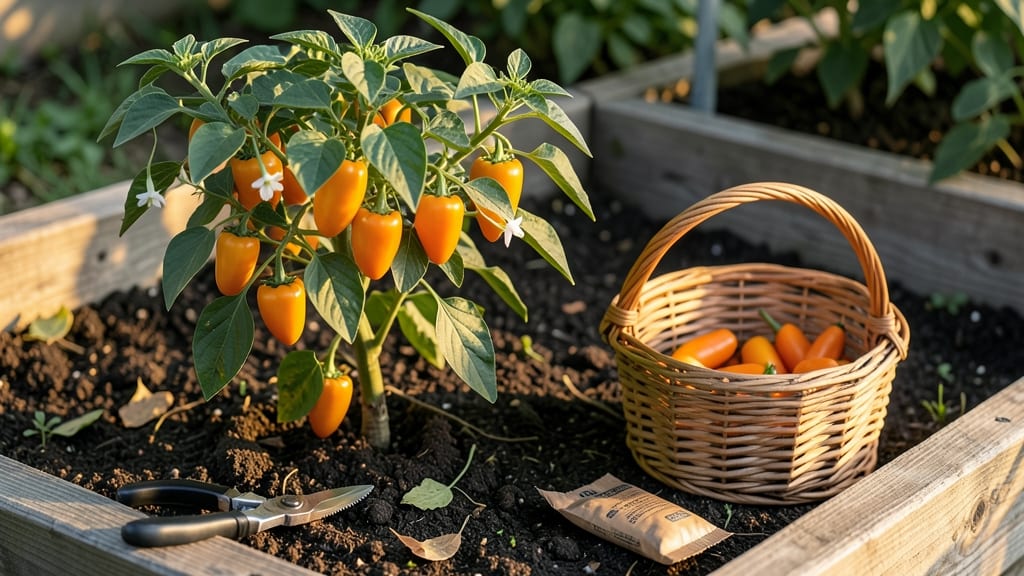
Growing little orange peppers delivers the sweetest rewards—tiny, fiery bursts of flavor that outshine store-bought varieties. 🌶️ My first attempt with 'Lunchbox' peppers produced 50 mini peppers in a 5-gallon pot, proving you don’t need a big yard to grow these sun-loving gems.
The key? Planting them at the right time in your heat zone, where they thrive in 60-90°F soil and bloom like clockwork.
Start seeds indoors 8-10 weeks before your last frost or buy transplants after all danger of frost has passed. These peppers love full sun (6-8 hours daily) and well-draining soil with a pH of 6.0-6.8—think crumbly, compost-amended garden beds or containers with drainage holes.
Varieties like 'Apache,' 'Lunchbox,' or 'Sunny' are perfect for beginners, offering both ornamental appeal and culinary versatility.
Water consistently to keep soil evenly moist but never soggy—drought stress turns peppers bitter. Feed every 4-6 weeks with a balanced fertilizer (10-10-10) to encourage lush growth, and watch as your plants burst with bright orange fruit by midsummer.
The harvest season stretches from late summer through fall, giving you fresh peppers for salsas, snacks, or gifts.
Troubleshoot common issues like aphids (spray with soapy water) or blossom end rot (add calcium) by staying proactive. With the right care, your little orange peppers will reward you with a bold harvest that’s impossible to resist—whether you’re growing in a backyard plot or a container on your patio.
📚 In This Guide
- What you need
- Instructions
- Tips and common mistakes
- Wrapping up and next steps
What you need
- ● Little Orange Pepper Seeds or Seedlings: Choose disease-resistant varieties like ‘Lunchbox’ or ‘Lipstick’ for compact, heat-loving plants. Quantity: 3–5 seeds (or 1–2 seedlings per container).
- ● Well-Draining Potting Mix: A blend of 60% garden soil, 30% compost, and 10% perlite or vermiculite (for aeration). Quantity: 1–2 bags (10–20 lbs each).
- ● Containers or Garden Plot: Containers: 5–7 gallon pots (with drainage holes) for each plant.
- ● Garden Beds: Full sun (6+ hours/day) and loose, fertile soil with a pH of 6.0–6.8.
- ● Fertilizer: Balanced organic fertilizer (e.g., 10-10-10) or compost tea. Apply: At planting and every 4–6 weeks.
- ● Mulch: Straw or shredded leaves (2–3 inches) to retain moisture and suppress weeds.
- ● Garden Trowel or Transplant Spade (for digging holes).
- ● Watering Can or Hose with Adjustable Nozzle (gentle watering prevents root stress!).
- ● Pruning Shears (for trimming leggy stems or dead leaves).
- ○ Gloves (optional but helpful for handling soil or thorny stems).
- ○ Stakes or Cages (Optional)—Use if your variety grows tall (e.g., 3–4 ft stakes for ‘Lipstick’).
- ● Last Frost Date: Wait until soil temps are at least 60°F (15°C)—peppers hate cold!
- ● Sunlight: Confirm your planting spot gets 6+ hours of direct sun daily.
- ● Water Access: Ensure consistent moisture (peppers wilt fast in dry soil!).
Step-by-step instructions for planting little orange peppers in heat zones
Here’s how to time your planting for maximum heat tolerance and vibrant harvests.
🌱 Step 1: Start Seeds Indoors 8-10 Weeks Before Last Frost
Little orange peppers thrive in warm soil and can’t tolerate frost, so begin seeds indoors 8-10 weeks before your last frost date. Use biodegradable seedling pots filled with a lightweight seed-starting mix—peppers hate soggy roots. Plant seeds ¼ inch deep and keep the soil consistently moist at 75-85°F for germination.
Place pots under a grow light (not a window) for 14-16 hours daily to prevent leggy seedlings. You’ll see sprouts in 7-14 days—wait until seedlings have 2-3 true leaves before transplanting outdoors. Overwatering now causes damping-off, so let the top inch of soil dry between waterings.
☀️ Step 2: Harden Off and Transplant After All Frost Risk Passes
Move seedlings outdoors gradually 1-2 weeks before transplanting by placing them in a sheltered spot for 1 hour daily, increasing time by 1 hour each day. Peppers are sensitive to cold, so never transplant until soil temperatures reach 70°F—use a soil thermometer to confirm.
Space plants 18-24 inches apart in full sun (6+ hours daily). Bury the stem slightly deeper than the pot to encourage root growth. Water deeply at the base—avoid wetting leaves to prevent fungal diseases. Mulch with 2-3 inches of straw to retain moisture and regulate soil temperature.
💧 Step 3: Maintain Consistent Heat and Water Through the Season
Peppers need 1-1.5 inches of water weekly, but adjust based on heat—soil dries faster in 90°F+ temperatures. Water at the base in the morning to reduce evaporation and fungal risk. Fertilize every 3-4 weeks with a balanced organic fertilizer (10-10-10) to support fruit production.
Prune suckers (the shoots growing between the stem and branches) to direct energy to fruit. Remove yellow or diseased leaves immediately—peppers are prone to blight in humid conditions. Harvest when peppers reach 2-3 inches long for the brightest orange color and sweetest flavor.
⏰ Step 4: Extend the Season in Hot Climates
In zones 9-11, plant a second crop in late summer (August-September) for a fall harvest. Use shade cloth (30-50%) to protect plants from 100°F+ temperatures during peak heat. Drip irrigation keeps roots cool and prevents blossom-end rot, a common issue in extreme heat.
Stop fertilizing 4-6 weeks before first frost to harden off plants for storage. Dig up entire plants, shake off soil, and hang upside down in a cool, dark place (50-60°F) for 1-2 weeks to cure. Store in paper bags in the fridge for up to 3 months—peppers sweeten as they ripen!
Tips & tricks for perfect little orange pepper growth in heat zones
Mastering these heat-zone strategies will help you coax vibrant, productive little orange peppers from seed to harvest.
Germination Temperature: The 75-85°F soil temperature range during germination is non-negotiable for little orange peppers. I've tried lowering it to save energy, but germination drops dramatically below 75°F. Use a seedling heat mat if your home stays cooler than this—it's worth the investment for reliable sprouting. Place your seedling pots on the mat, and you'll see those first leaves emerge in just 7-14 days instead of weeks.
Lighting Strategy: That 14-16 hours of daily grow light is critical for preventing leggy seedlings. I learned this the hard way after growing spindly plants that never recovered. Position lights just 2-3 inches above seedlings and raise them gradually as plants grow. LED grow lights are energy-efficient and provide the full spectrum these peppers need to develop properly.
Transplant Timing: The 2-week hardening off period before transplanting is your best defense against transplant shock. Start with just 1 hour outdoors in sheltered conditions, then gradually increase exposure. I've seen peppers wilt dramatically when moved too quickly—this gradual process builds their resilience. Always check soil temperature with a thermometer; 70°F is the absolute minimum for transplanting these heat-sensitive plants.
Heat Management: In zones 9-11, those 100°F+ temperatures can be deadly without intervention. I've had plants collapse under direct summer sun despite proper watering. Use shade cloth (30-50%) during peak afternoon heat to protect plants while still allowing plenty of light. Drip irrigation keeps roots cool and delivers water directly where it's needed, preventing leaf scorch that occurs with overhead watering.
Pro Tips for Little Orange Peppers
- Mastering these heat-zone strategies will help you coax vibrant, productive little orange peppers from seed to harvest.
- Germination Temperature: The 75-85°F soil temperature range during germination is non-negotiable for little orange peppers.
- Lighting Strategy: That 14-16 hours of daily grow light is critical for preventing leggy seedlings.
Frequently asked questions
Got questions about growing little orange peppers?
You’re not alone! Here are answers to the most common queries to help you crush your harvest like a pro.
When is the best time to plant little orange peppers?
Little orange peppers thrive in warm soil (60°F+) and need 6-8 hours of sunlight daily. Start seeds indoors 8-10 weeks before the last frost or transplant seedlings after all frost risk has passed (typically late spring/early summer in most zones). For fall harvests, plant 80-90 days before the first frost—just ensure temps stay above 50°F!
How long does it take for little orange peppers to mature?
From transplanting, expect 60-90 days to harvest, depending on the variety. Early varieties (like ‘Lunchbox’) may ripen in 55-65 days, while heirlooms can take longer. Check plant tags for exact days-to-maturity—patience pays off with sweet, juicy peppers!
What if my little orange peppers aren’t turning orange?
Peppers won’t ripen if temps drop below 55°F at night or stay above 85°F+ for weeks. Fix it:
- Move pots indoors or use row covers for cool snaps.
- Provide afternoon shade if heatwaves hit.
- Harvest green peppers early—they’ll ripen indoors in a sunny window.
Can I substitute little orange peppers in recipes?
Their mild, sweet heat (500-1,000 SHU) makes them swappable for:
- Red bell peppers (for crunch and sweetness).
- Banana peppers (for a tangy kick).
- Jalapeños (use half the amount for heat control).
How do I save little orange pepper seeds for next year?
Let 3-4 peppers stay on the plant until fully ripe (deep orange), then:
- Scoop out seeds and ferment in a jar for 2-3 days (keeps mold away).
- Rinse, dry on paper towels, and store in a cool, dark place (or fridge) for 1-2 years.
Wrapping up and next steps
Little orange peppers are a delightful addition to any garden, offering bold flavors and vibrant color! 🌶️ With the right heat-zone timing, soil prep, and care, you’ll be harvesting a bountiful crop in no time.
Whether you're a seasoned gardener or just starting out, these fiery little gems are well worth the effort.
Now that you’re armed with the perfect planting calendar and troubleshooting tips, roll up your sleeves and get growing! Grab those seeds, mark your calendar, and watch your garden transform into a spicy paradise. Happy planting—and even happier harvesting! 🌱