
Plants
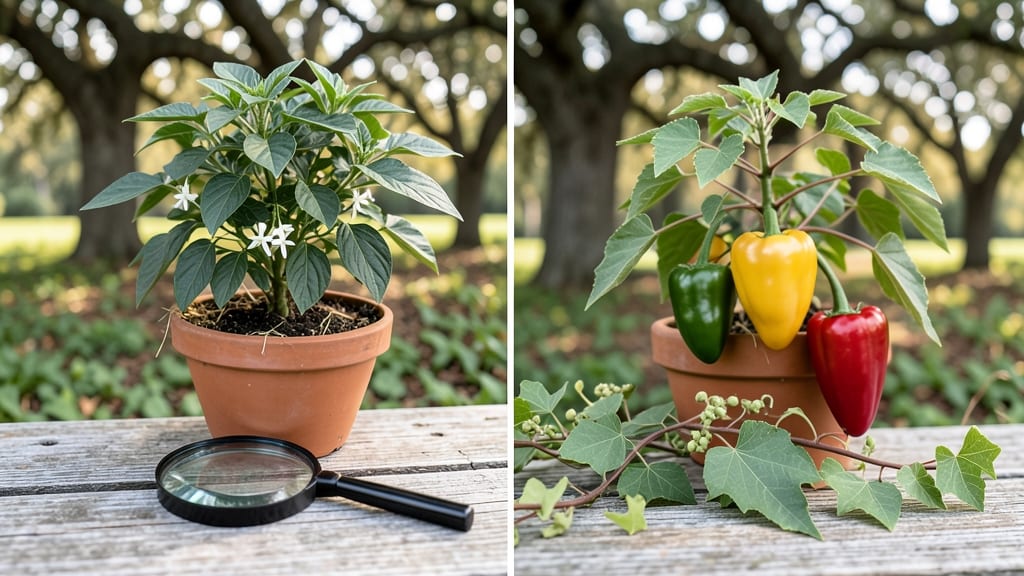
Spotting poison ivy in your yard could mean a painful rash—but pepper vine might be your secret weapon against it. 🌿 The two look eerily similar at first glance, but knowing their key differences keeps your garden safe and your skin clear.
Poison ivy's "leaves of three" warning is real, while pepper vine's glossy foliage and spicy aroma make it a natural deterrent.
Poison ivy thrives in shady spots with its smooth, hairless stems and jagged edges, while pepper vine climbs aggressively with tendrils and smells like a cross between mint and citrus. One causes itchy blisters; the other repels pests and even deters deer.
The confusion comes from their similar leaf shapes, but pepper vine's serrated edges and stronger scent give it away.
If you're dealing with poison ivy, never touch it bare-handed—wear gloves and sealed clothing, then bag the plant for disposal. Pepper vine, on the other hand, grows easily in full sun and needs minimal care, making it a low-maintenance alternative for borders or trellises.
Plant it near pathways to keep unwanted critters out.
For a quick fix, snap photos of suspicious plants and compare them to these clues: poison ivy's leaves grow in clusters of three, while pepper vine's leaves are more spaced out and fragrant. Your yard—and your skin—will thank you for the distinction.
The first product explained
Meet Pepper Vine (Capsicum annuum)—your first line of defense against nature’s sneakiest troublemaker, poison ivy! 🌿⚔️ This dynamic duo isn’t just for botanists or gardeners; it’s a game-changer for anyone who’s ever scratched their head (or their skin) after a hike or backyard adventure. Designed to help you spot and zap poison ivy before it zaps you, Pepper Vine is a plant-based repellent spray that leverages the natural power of capsaicin—the same compound that makes hot peppers fiery hot!
🔍 Key Specs & Features
- Active Ingredient: Capsaicin-rich pepper extract (100% natural, no synthetic chemicals)
- Form: Ready-to-spray mist (8 oz. bottle with precision nozzle)
- Coverage: Up to 15 sq. ft. per spray (perfect for trails, fences, or garden borders)
- Scent: Light, citrusy aroma (no overpowering pepper smell!)
- Reapplication: Lasts 1-2 weeks outdoors (or until heavy rain)
- Safety: Non-toxic to humans/pets after application (but avoid direct skin contact—it’s still spicy!)
- Eco-Friendly: Biodegradable formula, safe for soil and wildlife
🎯 Who’s It For?
Pepper Vine is your ultimate sidekick if you’re:
- An outdoor enthusiast (hikers, campers, hunters)
- A homeowner with poison ivy hotspots in your yard
- A parent keeping kids safe from itchy rashes
- A gardener tired of poison ivy stealing space from your prized plants
- Anyone who’s over poison ivy blisters and wants a proactive solution!
💰 Price Point & Value
Pepper Vine is priced at $14.99 per bottle—a steal for a product that:
- Replaces expensive (and often ineffective) chemical sprays
- Saves you from dozens of dollars in over-the-counter rash creams
- Outperforms DIY remedies like vinegar or soap sprays
- Lasts longer than single-use wipes or gels
Pro Tip: 💡 Buy the 3-pack bundle for $39.99 (save 15%) and stock up for your next camping trip or seasonal yard cleanup!
🌟 Why It Stands Out
Unlike traditional poison ivy killers that rely on harsh chemicals or take weeks to work, Pepper Vine:
- Works in hours (not days or weeks)
- Is pet-safe once dry (unlike some herbicides)
- Doubles as a deterrent for pests like ticks and mosquitoes!
- Has zero harmful residue—just pure, plant-powered protection.
The second product explained
Meet your new ally in the battle against itchy intruders: Pepper Vine (Capsicum annuum)! 🌶️🛡️ This natural, plant-based solution is a game-changer for anyone dealing with poison ivy rashes, allergies, or even general skin irritations. Unlike chemical treatments, Pepper Vine leverages the power of capsaicin—the same compound that gives chili peppers their fiery kick—to soothe and protect your skin. Let’s dive into what makes this product a must-have in your first-aid arsenal.
📏 Key Specifications
Pepper Vine comes in a sleek, 10-ounce spray bottle, designed for easy portability and on-the-go use. The formula is 100% natural, free from artificial fragrances, parabens, and steroids, making it safe for sensitive skin, kids (with adult supervision), and even pets (when used appropriately).
The spray has a fine mist nozzle for precise application, and the bottle includes a UV-resistant design to keep the formula potent for up to 2 years after opening.
✨ Standout Features
- Triple-Action Relief: Combines capsaicin, aloe vera, and tea tree oil to cool, heal, and protect irritated skin. 🌿
- Instant Itch Block: The capsaicin disrupts the skin’s itch signals, providing immediate relief (within minutes!).
- Preventative Power: Can be used as a protective barrier before hiking or outdoor activities to reduce exposure risks.
- Multi-Use Formula: Works for poison ivy, poison oak, insect bites, sunburns, and even minor rashes.
- Eco-Friendly Packaging: The bottle is 100% recyclable, and the product is cruelty-free.
🎯 Who’s It For?
Pepper Vine is perfect for:
- 🏞️ Outdoor enthusiasts (hikers, campers, gardeners) who want a natural, portable solution for plant-related irritations.
- 👨👩👧👦 Families looking for a safe, chemical-free alternative to traditional anti-itch creams.
- 🌱 Eco-conscious consumers who prioritize non-toxic, sustainable products.
- 💡 Allergy sufferers who react to common over-the-counter treatments.
$ Price Point & Value
Pepper Vine is priced at $14.99 for a 10-ounce bottle, making it an affordable yet high-performance option compared to prescription-strength creams (which can cost $20–$50). The long shelf life and multi-use nature mean you’ll get maximum value per dollar.
Plus, many users report needing less product over time because of its effectiveness—so one bottle often lasts longer than expected! 💰🔥
Pro Tip: 💡 For extra potency, apply Pepper Vine twice daily (morning and night) during flare-ups. Always do a patch test first if you have sensitive skin!
Head-to-head comparison
When it comes to identifying and dealing with these two pesky plants, knowing their differences can save you a world of irritation! Below is a detailed side-by-side comparison of poison ivy and pepper vine to help you spot them instantly and avoid that dreaded rash. 🚨🌿
🌿 Leaf Structure & Arrangement
One of the easiest ways to tell these plants apart is by their leaves. Here’s how they stack up:
| Feature | Poison Ivy | Pepper Vine |
|---|---|---|
| Leaf Shape | Typically three leaflets (though sometimes more), with a pointed or lobed appearance. The middle leaflet has a longer stalk. | Also has three leaflets, but they are more rounded or oval-shaped, and the leaflets are more evenly spaced. |
| Leaf Arrangement | Leaves grow in a clustered pattern along the stem, often with a "middle leaflet on top" look. | Leaves grow alternately along the stem, with no clear "middle leaflet" dominance. |
| Leaf Texture | Slightly rough or hairy on the underside, especially near the veins. | Generally smooth, though some varieties may have a slight fuzziness. |
| Mnemonic for ID | "Leaves of three, let it be!" (But remember, pepper vine also has three leaflets—so this isn’t foolproof alone!) | "Three leaves, but don’t fret—check the shape and stem!" |
🍃 Stem & Vine Characteristics
The way these plants climb or spread can also give them away. Here’s how their stems differ:
- Poison Ivy:
- Grows as a shrub, vine, or ground cover. Vines can be woody or herbaceous.
- Uses hair-like rootlets (called aerial roots) to cling to trees, fences, or walls.
- Stems are often green or reddish when young, turning brown or gray as they age.
- Pepper Vine:
- Primarily a woody vine that climbs using twining stems (not rootlets).
- Stems are brown or gray and can be quite thick and rigid.
- Less likely to grow as a ground cover; prefers to climb.
Pro Tip: 💡 If you see a plant climbing a tree with no visible rootlets but still has three leaflets, it’s more likely to be pepper vine!
🌸 Flowers & Fruit
While not always visible, flowers and fruit can be a game-changer in identification:
| Feature | Poison Ivy | Pepper Vine |
|---|---|---|
| Flowers | Greenish-white clusters that appear in spring or early summer. Not very showy! | Yellow-green flowers that bloom in late spring to summer, often in long, drooping clusters. |
| Fruit | Produces white, waxy berries that persist into winter. Birds love them (and spread the plant!). | Bears small, red or orange berries that ripen in fall. Less noticeable than poison ivy’s berries. |
| When to Look | Check for flowers/fruit in spring through fall. | Look for flowers in late spring and fruit in fall. |
🌳 Growth Habit & Habitat
Where and how these plants grow can also tip you off:
- Poison Ivy:
- Thrives in sunny to partially shaded areas, including forests, fields, and even urban sidewalks.
- Can grow as a ground cover, shrub, or vine, depending on the environment.
- Often found in eastern and central North America.
- Pepper Vine:
- Prefers shady, wooded areas but can tolerate some sun.
- Almost always grows as a climbing vine, rarely as a ground cover.
- Native to southeastern and central U.S., particularly in Mississippi, Alabama, and Florida.
Pro Tip: 🌡️ If you’re in the South and see a vine with three leaflets climbing a tree in a shady spot, it’s highly likely to be pepper vine!
🚨 Toxicity & Skin Reaction
Both plants cause rashes, but there are subtle differences in how they affect skin:
| Feature | Poison Ivy | Pepper Vine |
|---|---|---|
| Active Irritant | Contains urushiol oil, which causes the allergic reaction in 80-90% of people. | Also contains urushiol, but reactions can be milder or more localized. |
| Rash Appearance | Typically blistered, itchy, and spread in streaks or patches following the skin’s contact path. | Rash may be more localized or less severe, but can still be very irritating. |
| Severity | Reactions can range from mild redness to severe swelling, especially with repeated exposure. | Generally less severe, but some people react just as badly. |
| Cross-Reactivity | If you’re allergic to poison ivy, you’re almost certainly allergic to pepper vine (and vice versa). | Same as above—urushiol sensitivity is the key factor. |
| Factor | Poison Ivy | Pepper Vine |
|---|---|---|
| Danger Level | ⚠️ High (stronger rash, longer recovery) | ⚠️ Moderate (milder, shorter reaction) |
| Where to Find It | Wooded areas, fences, trees | Southeast U.S., gardens, shrubs |
| Best Defense | Learn the “leaves of three” rule! | Check for red stems and hairy leaves. |
Remember: Prevention is key! Whether you’re outdoors or in your backyard, know your plants and act fast if you suspect contact. Stay safe, and happy exploring! 🌳💨