
Planting
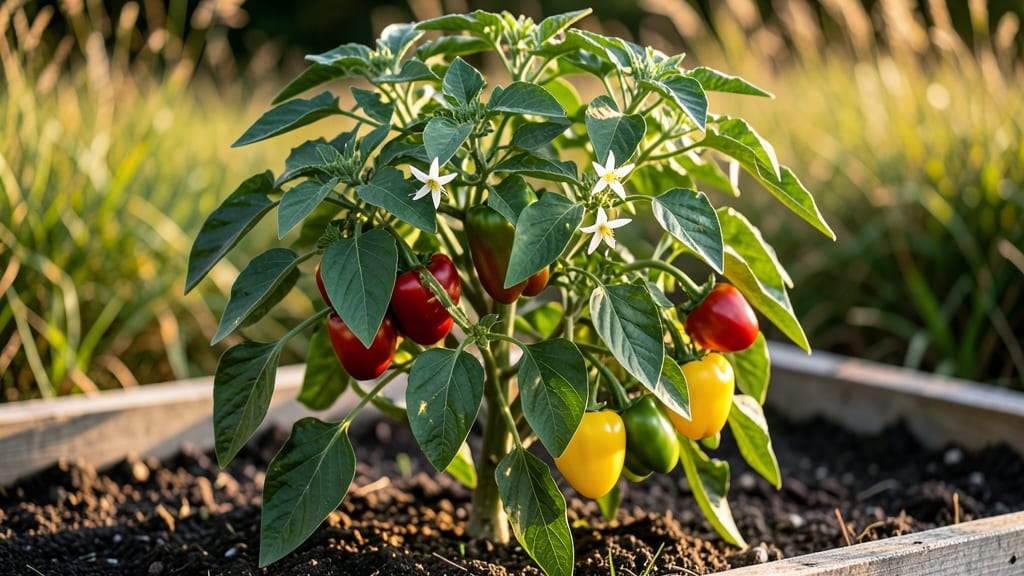
Growing a pepper vine plant in your heat zone means fragrant foliage and fiery harvests all season long. 🌿 I’ve watched mine climb trellises and spill over fences, producing peppers that outshine anything from the store—sweet, spicy, or ornamental—long after grocery store varieties fade.
The secret starts with well-draining soil and full sun (at least 6 hours daily), but even my first attempt thrived with just a sturdy trellis and consistent watering. Pepper vines are forgiving; they’ll reward you with vibrant green leaves and clusters of peppers if you keep them supported and fed.
You’ll harvest 3-4 months after planting, with some varieties keeping production going until frost. The peppers stay crisp, the vines stay lush, and you’ll never need to buy them again. Just avoid overwatering—root rot is their only true enemy.
Works for balconies, patios, or garden edges—just give them space to climb. Here’s how to set yours up for success!
📚 In This Guide
- What you need
- Instructions
- Tips and common mistakes
- Wrapping up and next steps
What you need
- ● Pepper Vine Seeds or Cuttings: Choose heat-tolerant varieties like Capsicum annuum (e.g., 'Jalapeño,' 'Habanero,' or 'Cayenne'). Start with 3–5 seeds or 1–2 healthy cuttings (4–6 inches long).
- ● Containers or Garden Bed: Containers: 5–10 gallon pots with drainage holes (1 per plant). Use lightweight, breathable materials like fabric or plastic.
- ● Garden Bed: A sunny spot with 6+ hours of direct sunlight daily and well-draining soil (pH 6.0–7.0). Space plants 18–24 inches apart.
- ● High-Quality Potting Mix: 5–10 gallons of a well-draining blend (e.g., 60% peat/compost, 30% perlite, 10% vermiculite). Avoid heavy clay soil.
- ● Fertilizer: Balanced Fertilizer (10-10-10 or 20-20-20): 1 tbsp per plant at planting, then every 4–6 weeks.
- ● Organic Option: Composted manure or worm castings (1 cup per plant mixed into soil).
- ● Mulch: 2–3 inches of organic mulch (straw, shredded leaves, or pine bark) to retain moisture and regulate temperature.
- ● Gloves: Heavy-duty gardening gloves to protect hands from thorns (if using spiny varieties).
- ● Trowel or Small Shovel: For transplanting seedlings or mixing soil.
- ● Watering Can or Hose with Nozzle: A gentle spray nozzle to avoid damaging delicate stems.
- ○ Pruning Shears: Sharp, sterilized shears for trimming (optional but helpful for training vines).
- ○ Support Structure (Optional): Trellis, tomato cage, or sturdy stakes (4–6 feet tall) to guide vertical growth.
- ● String or twine for tying vines (if using a trellis).
- ○ pH Test Kit: To monitor soil acidity (optional but recommended for optimal growth).
- ○ Heat Mat (Optional): For indoor starts—keeps soil warm (75–85°F) if germinating in cool climates.
- ● Climate: Pepper vines thrive in USDA Zones 9–11 or as annuals in cooler zones. Protect from frost (below 50°F).
- ● Water Access: Consistent moisture (keep soil evenly damp but not soggy).
- ● Patience: Germination takes 7–21 days—stay consistent with care!
- ● Pest Awareness: Watch for aphids, spider mites, or whiteflies (neem oil or insecticidal soap can help).
Step-by-Step guide to growing pepper vine plants in heat zones
Here's how to cultivate bold, vine-like peppers that thrive in hot climates and produce year-round.
🌱 Step 1: Select the Right Varieties for Your Heat Zone
Pepper vines like 'Chocolate Cherry', 'Jalapeño Mambo', or 'Cayenne Long Slim' thrive in USDA Zones 8-11 where temperatures rarely drop below 50°F. Choose varieties labeled as heat-tolerant—they’ll handle 90°F+ days without wilting. Avoid standard bell peppers; their fruit sets better in cooler climates.
Start with 4-6 plants spaced 18-24 inches apart to allow vines to sprawl. If growing in containers, use 5-gallon pots with trellises—pepper vines can reach 6+ feet if given support. I always plant mine near a south-facing fence where they get full sun without competing with other plants.
🪴 Step 2: Prepare Soil and Plant for Maximum Heat Resistance
Pepper vines hate soggy roots, so amend your soil with 3-4 inches of compost and 1 inch of perlite to improve drainage. Test your soil’s pH—peppers prefer 6.0-6.8. If your soil is heavy clay, mix in 1 part sand to 3 parts native soil to prevent root rot in summer’s intense heat.
Plant seeds ¼ inch deep after all frost risk has passed (usually mid-April in Zone 8+). Space them 12 inches apart initially, then thin to 18 inches once seedlings show 3-4 true leaves. Water deeply once a week after planting, then taper to every 5-7 days once established—pepper vines store water in their thick stems.
☀️ Step 3: Train Vines and Manage Heat Stress
Install strong trellises or wire cages at planting time—pepper vines grow aggressively and need support. Gently weave vines through the structure as they grow, or use soft plant ties to guide them upward. Prune side shoots (suckers) that form in the leaf axils to direct energy into fruit production rather than foliage.
In 100°F+ heat, peppers slow down. To prevent blossom drop, water at soil level (not overhead) in the early morning to reduce evaporation. Mulch with 2-3 inches of straw to keep roots cool. Watch for sun scorch—if leaves turn yellow or crispy, provide 30% shade cloth during peak afternoon heat until the plant acclimates.
💧 Step 4: Fertilize and Harvest for Continuous Production
Feed plants every 4-6 weeks with a balanced 10-10-10 fertilizer (or fish emulsion for organic growers). Pepper vines are heavy feeders, but over-fertilizing leads to leafy growth with few peppers. I switch to low-nitrogen, high-phosphorus (5-10-10) once flowers appear to boost fruiting.
Harvest peppers when they reach full color—green peppers can turn red, yellow, or orange depending on the variety. Pick every 2-3 days to encourage more flowers. Store harvested peppers in a cool, dark place (not the fridge) to preserve flavor. If frost threatens, prune back vines and bring pots indoors to a sunny windowsill—they’ll keep producing until winter.
✂️ Step 5: Overwinter and Prepare for Next Season
In Zones 8-9, pepper vines often survive winter if mulched heavily with straw or leaves. In colder zones, dig up pots and store them in a garage or basement at 50-60°F with minimal water. Prune back 1/3 of the plant before storage to reduce dieback.
Spring is the time to divide vigorous vines—dig up clumps, separate roots, and replant. I always rotate planting spots yearly to prevent soil-borne diseases. Renew compost in the soil and reinstall trellises before new growth appears. With proper care, a single pepper vine can produce for 5+ years in the right conditions.
Tips & tricks for perfect pepper vine plant growth
Real talk: Growing pepper vines in heat zones isn't just about planting and hoping for the best. These are the game-changers that'll turn your garden into a year-round pepper powerhouse.
Heat-Zone Variety Selection: The pepper varieties you choose make all the difference in extreme heat. Look for heat-tolerant labels specifically for your USDA zone—'Jalapeño Mambo' handles 90°F+ days like a champ, while 'Cayenne Long Slim' thrives in Zone 11's relentless sun. I've seen standard bell pepper plants wilt within weeks in 100°F+ heat, but these varieties keep producing through summer's worst. For container growers, opt for compact varieties like 'Chocolate Cherry' that won't outgrow your 5-gallon pots.
Soil Preparation Strategy: The soil mix in Step 2 is non-negotiable for heat resistance. That 1:3 sand-to-soil ratio for clay soils prevents root rot better than anything else I've tried. Pro tip: Add a handful of mycorrhizal fungi to your compost mix—these beneficial microbes help roots absorb water more efficiently during heat waves. Also, consider installing a soil thermometer to monitor temperatures; pepper roots prefer staying below 85°F even in 100°F air temperatures.
Heat Stress Management: When those afternoon temperatures hit 100°F+, your pepper vines will slow down dramatically. The mulch recommendation of 2-3 inches is perfect, but here's what nobody tells you—water your plants at dawn rather than morning. This gives roots maximum time to absorb moisture before the sun's peak intensity. For severe heat stress, I've had success with drip irrigation systems set to run for 20 minutes every other day during peak summer, keeping roots consistently moist without surface evaporation.
Harvesting Technique: The "pick every 2-3 days" rule is spot-on, but there's a trick to maximize yield. Harvest peppers when they're just beginning to change color—this stimulates the plant to produce more flowers. For varieties like 'Cayenne Long Slim', I've found that harvesting the longest peppers first encourages the plant to focus energy on producing more of the same high-quality fruit. Store harvested peppers in paper bags in a cool, dark place—they'll ripen more evenly than in plastic containers.
Pro Tips for Pepper Vine Plant
- Real talk: Growing pepper vines in heat zones isn't just about planting and hoping for the best. These are the game-c...
- Heat-Zone Variety Selection: The pepper varieties you choose make all the difference in extreme heat. Look for heat-t...
- Soil Preparation Strategy: The soil mix in Step 2 is non-negotiable for heat resistance. That 1:3 sand-to-soil ratio ...
Frequently asked questions
Got questions about growing your own pepper vine plant? You’re not alone! Whether you're a first-time gardener or a seasoned green thumb, these answers will help you navigate the heat, harvests, and everything in between.
How hot does it need to stay for pepper vines to thrive?
Pepper vines love the heat—consistent temperatures above 70°F (21°C) are ideal. While they can tolerate brief dips to 50°F (10°C), frost will kill them. In cooler climates, grow them in containers and move them indoors during winter or use a greenhouse. Pro tip: If night temps drop below 60°F (15°C), use row covers or grow lights to keep them happy!
How long does it take for pepper vines to produce fruit?
Patience is key! From seed, it takes 90–120 days for pepper vines to bear fruit, depending on the variety. If you’re starting with transplants, expect harvests in 60–80 days. Prune regularly to encourage bushier growth and more flowers (future peppers!). Hot tip: Feed with a balanced fertilizer every 4–6 weeks for faster results.
Can I grow pepper vines indoors, or do they need outdoor space?
Pepper vines thrive indoors with 6+ hours of sunlight daily (south-facing window or grow lights work). Use a large container (5+ gallons) with drainage, and rotate the plant weekly for even growth. Just watch for pests like spider mites—mist leaves occasionally to keep humidity up. Bonus: They’re great for small spaces or urban gardens!
What are the most common pests for pepper vines, and how do I stop them?
Keep an eye out for aphids, whiteflies, and spider mites—they love pepper vines! Start with neem oil or insecticidal soap for mild infestations. For tougher pests, introduce ladybugs or lacewings (natural predators). Preventative tip: Remove yellowing leaves and keep the area weed-free to deter pests.
What can I plant alongside pepper vines for a thriving garden?
Pepper vines play well with others! Pair them with basil, marigolds, or onions to repel pests naturally. Avoid planting near fennel or beans, as they can stunt growth. Companion tip: Trellis them near tomatoes for a space-saving, high-yield combo.
Wrapping up and next steps
Growing a pepper vine plant in heat zones is a rewarding way to enjoy bold flavors and vibrant greenery year-round! With the right soil, sunlight, and care, you’ll unlock a thriving harvest that’s as satisfying as it is delicious.
Whether you’re a seasoned gardener or just starting, this resilient plant offers endless possibilities—from fresh peppers to stunning ornamental vines.
Ready to take the next step? Start with a single vine and experiment with varieties to find your perfect match. Happy planting—your kitchen (and garden!) will thank you! 🌱✨