
Picking
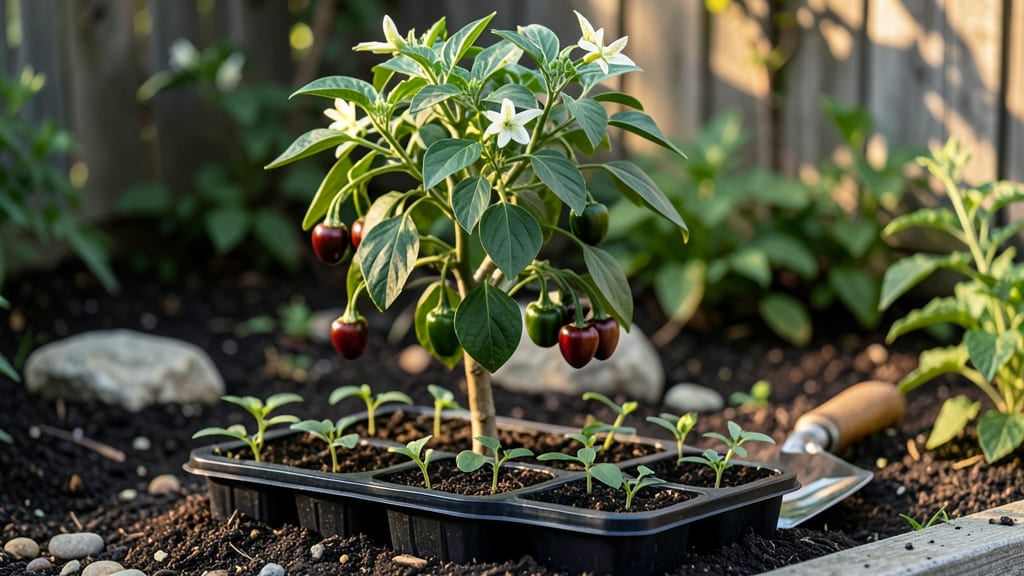
Planting pimento peppers means unlocking the sweet, smoky flavor that makes stuffed peppers legendary. 🌱 I learned the hard way that these heat-sensitive plants need perfect timing—too early and frost zaps them, too late and they bolt before fruiting.
The secret lies in matching your zone to their love of warmth, whether you're starting from seed or transplanting.
Begin with well-draining soil rich in organic matter (think compost or aged manure) and a pH between 6.0 and 6.8. Pimento peppers thrive in full sun, so pick a spot that gets at least 6-8 hours of direct light daily.
If you're transplanting, wait until nighttime temperatures stay above 55°F—typically after your last frost date. Space plants 18-24 inches apart to allow airflow and prevent disease.
Once planted, keep soil consistently moist but not soggy—they hate wet feet. A light mulch helps retain moisture and regulate soil temperature. Within 4-6 weeks, you'll see those telltale serrated leaves, and by mid-summer, you'll be harvesting peppers that pack just the right kick (or sweetness, depending on the variety).
The first harvests are always the sweetest reward.
Pro tip: Pimentos love heat but hate humidity—if your summers are muggy, prioritize airflow and consider container growing. And here's a confession: I used to overcrowd my plants. Now I swear by the spacing rule—it cuts down on pests and makes harvesting easier. Your future stuffed peppers will thank you.
📚 In This Guide
- What you need
- Instructions
- Tips and common mistakes
- Wrapping up and next steps
What you need
- ● Pimento Pepper Seeds: 10–20 seeds (or 3–5 plants if buying seedlings). Opt for heirloom varieties like ‘Cherokee Purple’ or ‘Hungarian Wax’ for bold flavors.
- ● Well-draining potting mix: 5–10 gallons (sterilized, organic blend with perlite or coconut coir for aeration).
- ● Containers or garden bed: Containers: 5–10 gallon pots (1 plant per container) with drainage holes.
- ● Garden bed: Full sun (6+ hours/day), loose soil with pH 6.0–7.0.
- ● Fertilizer: Balanced 10-10-10 or organic options like composted manure (start with 1 tbsp per plant).
- ● Hand trowel or transplanting spade (for digging small holes).
- ● Watering can or hose with gentle spray nozzle (avoid soggy soil!).
- ○ Gloves (optional but handy for prickly stems).
- ● Mulch (straw or shredded leaves) (1–2 inches to retain moisture).
- ● Pruning shears (for trimming leggy growth later).
- ● Warmth: Soil temps above 60°F (15°C) (use a soil thermometer if unsure).
- ● Sunlight: Confirm your location gets 6+ hours of direct sun daily.
- ● Patience: Pimentos take 70–90 days to mature—plan ahead!
- ● Grow lights (for indoor starts or cloudy climates).
- ● Cage or trellis (if growing tall varieties like ‘Hungarian Wax’).
- ● Neem oil or copper fungicide (to prevent pests/diseases).
- ● Plant markers (to track varieties if testing multiple seeds).
Step-by-Step instructions for planting pimento peppers
Ready to grow sweet, smoky pimento peppers? Here’s my foolproof method for planting them in the right heat zone for maximum flavor.
🌱 Step 1: Start Seeds Indoors 8-10 Weeks Before Last Frost
Pimento peppers thrive in warm soil and need a long growing season, so I always start seeds indoors. Fill 2-3 inch deep biodegradable pots with sterile seed-starting mix—never garden soil, which can harbor diseases. Moisten the mix until it’s damp like a wrung-out sponge, then press it down gently to remove air pockets.
Plant 2-3 seeds per pot at a depth of ¼ inch, just below the soil surface. Cover lightly with extra mix and mist the surface with water until evenly damp. Place the pots in a warm spot (70-80°F)—a seedling heat mat speeds things up dramatically. Expect sprouts in 7-14 days, depending on your home’s warmth.
☀️ Step 2: Provide Bright Light and Harden Off Seedlings
The instant those first true leaves appear, move seedlings under 14-16 hours of bright light daily. A south-facing window works, but I use a grow light to prevent leggy growth. Keep the light 2-4 inches above the plants and raise it as they grow. You’ll know they’re getting enough light when leaves are dark green and compact, not stretched or pale.
Two weeks before your last frost date, start hardening off seedlings. Place them outside in a shaded, sheltered spot for 1-2 hours the first day, then gradually increase exposure by 1 hour daily over 10-14 days. This toughens them up so they don’t bolt or wilt when transplanted. Watch for wilting or yellowing leaves—if you see those, they’re not ready yet.
🪴 Step 3: Transplant to the Garden in Full Sun
Pimento peppers love full sun (6+ hours daily) and warm soil (65°F+). Wait until nighttime temperatures stay above 55°F before planting—cold snaps stunt growth. Dig holes twice as wide as the root ball but no deeper, then gently remove seedlings from their pots and place them in the holes. Fill the gaps with soil, pressing lightly to remove air pockets.
Space plants 18-24 inches apart—they need room to spread. Water deeply right after planting to settle the soil, then mulch with 2-3 inches of organic mulch to retain moisture and regulate soil temperature. Avoid wetting leaves when watering; instead, aim for the base of the plant to prevent disease.
💧 Step 4: Water Deeply and Fertilize for Sweet Peppers
Pimento peppers are drought-sensitive, so water 1-2 inches per week, letting the top inch of soil dry out between waterings. Overwatering leads to blossom-end rot, so I check moisture with my finger—if the soil feels dry, it’s time to water. Use a drip irrigation system or soaker hose to keep water at the roots and avoid fungal issues.
Feed plants every 4-6 weeks with a balanced fertilizer (10-10-10) or one high in phosphorus for fruiting. I also side-dress with compost mid-season for extra nutrients. You’ll see blooms in 6-8 weeks, followed by small green peppers—this is when regular watering becomes critical for sweetness.
✂️ Step 5: Prune and Harvest for Maximum Yield
Pinch off the first few flowers to encourage bushier growth—this gives the plant energy to produce more peppers later. Once fruits form, prune yellow or diseased leaves immediately to keep the plant healthy. Pimento peppers ripen from green to red or orange, so harvest when they’re fully colored and slightly soft to the touch—this ensures peak flavor.
Pick peppers in the morning when they’re cool and crisp. Use pruning shears to cut stems cleanly, leaving a small stub. Store harvested peppers in a cool, dry place for up to a week, or freeze them for later use. The more you harvest, the more the plant produces—so keep those shears handy!
Tips & tricks for planting pimento peppers
Took me a while to figure these out, so here's how I make sure my pimento peppers thrive from seed to harvest.
Seedling Heat Matters: That 70-80°F warmth in Step 1 is non-negotiable for germination. I've tried using regular windowsills, and it takes twice as long for sprouts to appear. If you don't have a heat mat, place your pots on top of your refrigerator or near a sunny window with a clear plastic cover to trap heat. The goal is consistent warmth—fluctuations can cause uneven sprouting or weak seedlings.
Lighting Upgrade: The 14-16 hours of light in Step 2 is crucial for preventing leggy seedlings. I've learned the hard way that even a south-facing window can't provide enough light during short winter days. If you notice your seedlings stretching toward the light with pale leaves, it's time to invest in a grow light. Position it just 2-4 inches above the plants and adjust as they grow—this mimics natural sunlight and keeps them compact.
Hardening Off Strategy: That gradual increase of 1 hour daily over 10-14 days in Step 2 is what prevents transplant shock. I start with just 1-2 hours of shade on day one, then slowly increase exposure. Watch for wilting or yellowing leaves—they're telling you to slow down. If your weather forecast calls for cold nights during hardening off, bring seedlings back inside overnight until they're fully acclimated to outdoor conditions.
Transplant Timing: Waiting until nighttime temperatures stay above 55°F in Step 3 is about more than just the plants. I've seen pimento peppers wilt dramatically when transplanted too early. Use a soil thermometer to confirm your garden soil has reached at least 65°F before planting. The wider holes you dig (twice as wide as the root ball) give roots room to spread without bending, which helps establish stronger plants faster.
Pro Tips for Planting Pimento Peppers
- Took me a while to figure these out, so here's how I make sure my pimento peppers thrive from seed to harvest.
- Seedling Heat Matters: That 70-80°F warmth in Step 1 is non-negotiable for germination.
- Lighting Upgrade: The 14-16 hours of light in Step 2 is crucial for preventing leggy seedlings.
Frequently asked questions
Got questions about growing your own fiery pimento peppers? You’re not alone—these bold little plants can be tricky for beginners! Here are answers to the most common queries to help you cultivate a thriving harvest.
When is the best time to plant pimento peppers?
Start seeds indoors 8–10 weeks before your last frost date (around March in most U.S. zones). Transplant seedlings outdoors after soil warms to 60°F+ and nighttime temps stay above 50°F—typically late spring or early summer. Pimentos hate cold, so don’t rush it!
How much heat and sunlight do pimento peppers need?
Pimento peppers thrive in full sun (6–8+ hours daily) and warmth (70–90°F). They’re sensitive to frost and struggle in cooler climates (Zones 8–11). If you’re in a colder zone, grow them in containers and bring them indoors before fall. A greenhouse or cold frame can extend your season!
Can I grow pimento peppers in containers?
Pimento peppers adapt well to containers 5+ gallons in size with drainage holes. Use a well-draining potting mix and place pots in a sunny spot. Just ensure they get enough warmth—containers cool faster than in-ground soil. Bonus: Containers make it easy to move plants indoors if frost threatens!
What pests or diseases should I watch for?
Common issues include aphids, spider mites, and pepper maggots. Use neem oil or insecticidal soap for pests. For diseases, powdery mildew (from humidity) and bacterial spot (from overhead watering) are risks. Space plants for airflow, water at the base, and remove infected leaves promptly.
How do I know when pimento peppers are ripe?
Pimentos start green but turn deep red, orange, or yellow when fully ripe—this is when they’re sweetest and best for pickling or cooking. They’ll also feel slightly soft to the touch. Harvest with scissors or pruners to avoid damaging the plant. Pro tip: Leave a few peppers on the vine to mature for seeds if you want to save them for next year!
Wrapping up and next steps
Planting pimento peppers is a rewarding journey that blends patience, passion, and precision—and with the right heat zone know-how, you’re well on your way to a bountiful harvest! 🌶️ Whether you’re growing them for their sweet, smoky flavor or fiery kick, remember that consistent care, proper spacing, and sun-soaked love are your best allies.
Now that you’ve mastered the basics, why not take the next step?
🌱 Ready to Grow?
- Start small: Try a few plants in containers or a dedicated garden bed to refine your technique.
- Experiment: Test different varieties or heat zones to discover your perfect match.
- Share the joy: Once your peppers ripen, surprise friends with homemade jams, salsas, or pickled pimentos!
Your green thumb is about to shine—happy planting! 🌿✨