
Vegetables
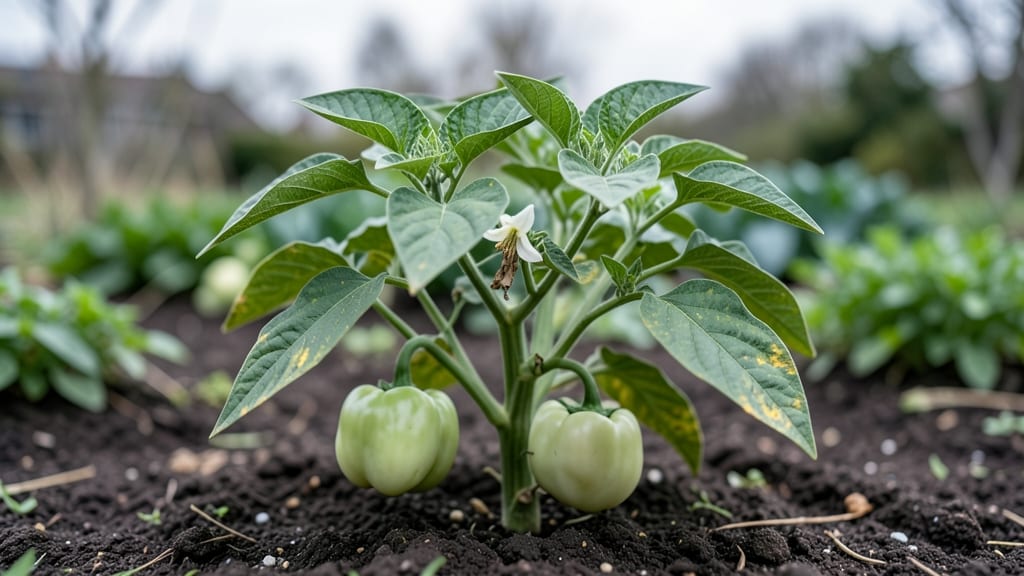
Cold springs can still deliver bold, spicy peppers—if you start smart. 🌱 I’ve grown fiery jalapeños and sweet bell peppers in chilly springs by adjusting timing, protection, and varieties, proving that late starts don’t mean lost harvests.
The key is germination timing: peppers need soil at 70-85°F to sprout reliably. If your spring stays cool, start seeds indoors 8-10 weeks before the last frost, then transplant hardened-off seedlings into protected beds once night temps hit 55°F.
Varieties like ‘Early Jalapeño’ or ‘Sweet Banana’ mature faster (60-70 days) than heirlooms, giving you an edge in short seasons. With row covers or cold frames, you can push harvests 2-3 weeks earlier—just remove protection when flowers appear to prevent heat stress.
Avoid the mistake of rushing seedlings outside too soon; cold snaps stall growth and invite disease. By combining early starts, protective gear, and fast-maturing varieties, you’ll harvest spicy, sweet peppers even when spring lingers cold. Here’s how to make it work in your zone.
Understanding Early Cold Snaps
Cold snaps in spring can throw off even the most eager gardeners, leaving peppers vulnerable before they’ve had a chance to thrive. But why does this happen—and how can you outsmart it? Let’s break down the science behind early-season chills and what triggers them.
Spring is a transitional season, and Mother Nature doesn’t always play by the rules. After a long winter, the atmosphere is still adjusting, leading to rapid temperature fluctuations. Cold fronts from the north or lingering Arctic air masses can plunge temperatures well below peppers’ ideal range (60–90°F) almost overnight.
What’s happening in your garden?
- Daytime warmth may fool you into thinking your peppers are safe, but nighttime lows—especially below 50°F—can stunt growth or trigger shock.
- Wind chill exacerbates the problem, making it feel even colder for delicate seedlings.
- Soil temperature lag: Even if air temps rise, cold soil retains chill, slowing root development.
Actionable insight: Use floating row covers or mini greenhouses to create a microclimate that buffers against sudden drops. Monitor low-night-temps with a soil thermometer—roots need at least 55°F to absorb nutrients properly.
Peppers are tropical plants, and their immature foliage lacks the waxy cuticle of mature leaves, making them more susceptible to cold stress. When exposed to temperatures below 55°F for extended periods, their cells can’t maintain proper membrane function, leading to:
- Chilling injury: Tiny ice crystals form in cell walls, disrupting nutrient flow and causing water-soaked spots or yellowing leaves.
- Metabolic slowdown: Enzymes responsible for growth (like RuBisCO) become inactive, halting photosynthesis and stunting plants.
- Root shock: Cold soil restricts water uptake, leading to wilting even if the air feels warm.
How to protect them?
- Start seeds indoors 8–10 weeks before the last frost, then harden off gradually to toughen them up.
- Use mulch (straw or black plastic) to insulate soil and keep roots warm.
- Avoid overhead watering at night—wet leaves freeze faster than dry ones.
Frost isn’t just about the calendar—it’s about localized conditions.
Peppers planted too early in low-lying areas, valleys, or near water bodies are at higher risk because: - Cold air sinks, pooling in depressions and lingering longer. - Urban heat islands (asphalt, buildings) can create false warmth, tricking gardeners into planting prematurely. - Frost pockets near hills or trees may freeze while other parts of the garden stay safe.
Pro tip: Check your USDA Hardiness Zone and local frost dates, but also observe your specific microclimate. Plant peppers in sheltered, sunny spots (like south-facing slopes) to delay frost exposure by 1–2 weeks.
🌡️ Key Takeaway: Cold spring damage isn’t just random—it’s a mix of weather patterns, plant immaturity, and site conditions. By understanding these triggers, you can shield your peppers and still enjoy that 60-day harvest!
Quick Fixes for Chilly Pepper Plants
Cold snaps in spring can shock your pepper plants, but with the right steps, you can revive them and keep your harvest on track. Below are practical, actionable solutions tailored to common cold-related issues—plus prevention tips to avoid future setbacks.
If your peppers look droopy, discolored, or crispy after cold exposure, act fast:
- 🔥 Provide Immediate Warmth Move pots indoors (near a sunny window or under grow lights) or cover outdoor plants with frost blankets or clear plastic sheets.
Secure edges with rocks or soil to trap heat. Pro tip: 💡 Use a heat mat under containers for extra warmth—peppers thrive at 70–85°F (21–29°C).
- 🍳 Hydrate Gently Cold-stressed plants often suffer from root shock. Water slowly at the base (avoid overhead watering, which can worsen chilling). Use room-temperature water to prevent further shock. Watch for: 🌡️ Yellowing leaves (overwatering) vs. crispy edges (underwatering).
- 👨🍳 Trim Damaged Foliage Snip off blackened, mushy, or yellow leaves with sterilized scissors to redirect energy to healthy growth. Focus on lower leaves first—they’re most vulnerable to cold and disease.
Peppers hate sudden drops or drafty conditions. Fix these issues:
- 🔥 Shield from Wind and Drafts Cold air + wind = faster temperature loss. Use windbreaks (burlap screens, straw bales, or even cardboard) on the north or west sides of your garden. For containers, group them together to create a microclimate.
- ⏰ Extend the Growing Season If frost is forecasted, cover plants at dusk and remove covers by 10 AM to avoid overheating. For extra protection, try a mini greenhouse (even a repurposed plastic storage bin with a clear lid works).
- 🎯 Monitor Soil Temperature Peppers won’t germinate or thrive in cold soil. Use a soil thermometer—ideal temps are 70–90°F (21–32°C). If soil is too cool:
- Black plastic mulch absorbs heat.
- Straw or leaves insulate roots overnight.
An ounce of prevention saves a pound of heartache. Try these long-term fixes:
- 🌱 Start Indoors Early Begin seeds 8–10 weeks before the last frost date in a warm, sunny spot (or under grow lights). Harden off seedlings gradually 1–2 weeks before transplanting to toughen them up.
- 🥗 Choose Cold-Tolerant Varieties Not all peppers are created equal!
Opt for early-maturing, heat-loving types like: - ‘Early Jalapeño’ (55 days) - ‘Carolina Wonder’ (60 days) - ‘Lunchbox’ pepper (50 days, compact and fast) Pro tip: 💡 Look for “early harvest” labels—these are bred to mature quickly in cooler springs.
- 📊 Adjust Planting Timing If your spring is unpredictably chilly, wait until after the last frost (check your USDA Hardiness Zone) or use row covers for 2–3 weeks post-transplant to accelerate warming.
- 🔥 Boost Soil Health Rich, well-draining soil helps peppers recover faster. Amend with:
- Compost (for nutrients)
- Perlite or vermiculite (for drainage)
- A balanced fertilizer (10-10-10) at planting time.
✨ Bonus: If all else fails, repot or replant young seedlings into warmer soil—sometimes a fresh start is the fastest fix! Just be patient; peppers bounce back surprisingly well with TLC.
Frequently asked questions
What’s the earliest I can plant peppers in a cold spring?
Wait until soil reaches 60°F and nighttime temps stay above 55°F—use a soil thermometer to check! For extra protection, start seeds indoors 8-10 weeks before last frost and transplant hardened-off seedlings into raised beds with black plastic mulch to warm the soil faster.
Can peppers survive a light frost?
Mature peppers can handle brief dips to 28°F, but seedlings will die in 32°F or below. Cover young plants with frost blankets or move containers indoors overnight. The key is protecting the roots—mulch heavily with straw or leaves to insulate soil warmth.
Which pepper varieties grow fastest in cool springs?
Look for 50-60 day varieties like ‘Early Jalapeño’ or ‘Lunchbox’ peppers—they mature before summer heat arrives. Avoid heirlooms (they take 80+ days). For extra speed, choose compact bush types that don’t need staking and focus energy on fruit production.
How do I tell if my peppers are suffering from cold stress?
Watch for yellowing leaves (especially lower ones), crispy edges, or stunted growth. If leaves feel mushy or blacken, it’s chilling injury. Trim damaged foliage immediately and move plants to warmer conditions—peppers can recover if roots stay healthy.
Do I need to adjust watering for cold springs?
Yes! Water less frequently—cold soil drains slower, causing root rot. Use room-temperature water and water at the base (never overhead) to prevent freezing. Check soil moisture with your finger—it should be damp but not soggy when you plant peppers in chilly conditions.