
Neem Oil
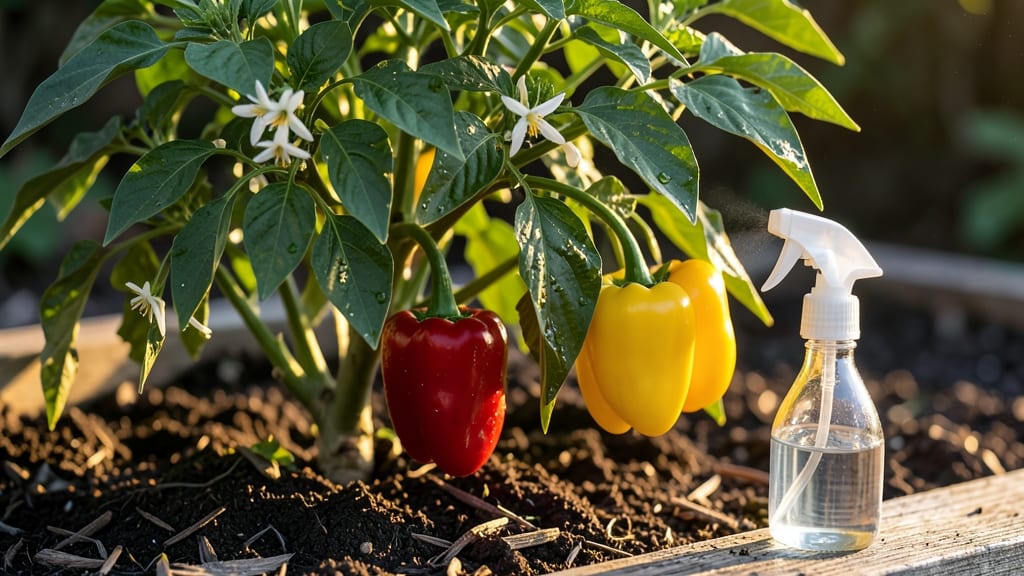
Peppermint oil can hurt plants by burning leaves, stunting growth, or causing irreversible damage due to its high menthol content and volatile compounds, even when diluted. Essential oils like this should never be applied directly to soil or foliage.
Peppermint oil's strong menthol compounds act like chemical irritants, disrupting plant cell membranes and blocking pores where plants breathe. 🌱 Even a few drops can leave brown patches or crispy edges on leaves, and the damage often spreads beyond the treated area.
I've seen houseplants like ferns and calatheas suffer permanent leaf scorch from accidental sprays, so always err on the side of caution—this oil is far too potent for garden use.
If you're looking for natural pest control or cleaning solutions, safer alternatives exist. Neem oil, for example, targets insects without harming plants when used correctly, while diluted vinegar or mild dish soap can clean gardening tools without risk.
For a refreshing scent, try rosemary oil—it's less toxic and still repels some pests naturally.
💡 In This Article
- How Peppermint Oil Damages Plant Cells
- Safe Peppermint Oil Alternatives for Gardening
How peppermint oil damages plant cells
The real danger of peppermint oil lies in its menthol (up to 50% concentration) and terpene compounds, which act like cellular disruptors. These molecules are small enough to penetrate plant cell walls, where they dissolve membrane lipids and create microscopic holes.
Imagine tiny Swiss cheese holes forming in every leaf cell—this is what causes that telltale brown scorching pattern you see after accidental exposure.
Peppermint's volatility is another key factor. When applied, the oil's 1,8-cineole (eucalyptol) content clogs plant stomata (pores) at concentrations as low as 0.5%. This suffocates the plant's ability to exchange gases, triggering oxidative stress similar to what happens when you leave a cut apple exposed to air.
The plant's natural defenses kick in, but the damage often becomes permanent in delicate species like calatheas or ferns.
To put this in perspective, peppermint oil is 10-20x more toxic to plants than tea tree oil (a common garden essential oil), which has a melaleuca concentration of 30-50% but lacks menthol's membrane-dissolving properties.
Even when diluted to 1% concentration, peppermint oil can still cause leaf burn within 24-48 hours, while tea tree oil at similar levels might only show mild irritation.
The damage mechanism works in three phases: initial contact (chemical burn), stomatal blockage (gas exchange failure), and systemic stress (nutrient transport disruption). This explains why you might see healthy-looking plants develop crispy edges days after a "safe" application—what appears diluted is still far too potent for most garden plants.
Consider this real-world example: A 10-drop application of peppermint oil in 1 gallon of water (common "dilution" advice) delivers roughly 0.3% concentration—still enough to cause visible damage to 90% of common houseplants within a week.
The oil's low vapor pressure means it lingers on surfaces for up to 72 hours, giving plants no chance to recover.
What makes this particularly insidious is how the damage spreads. Once peppermint oil disrupts a plant's cellular transport systems, nutrients can't move properly from roots to leaves.
This creates a domino effect where new growth becomes stunted even if you remove the treated leaves. 🌿 The plant essentially starves itself from the inside out.