
Picking
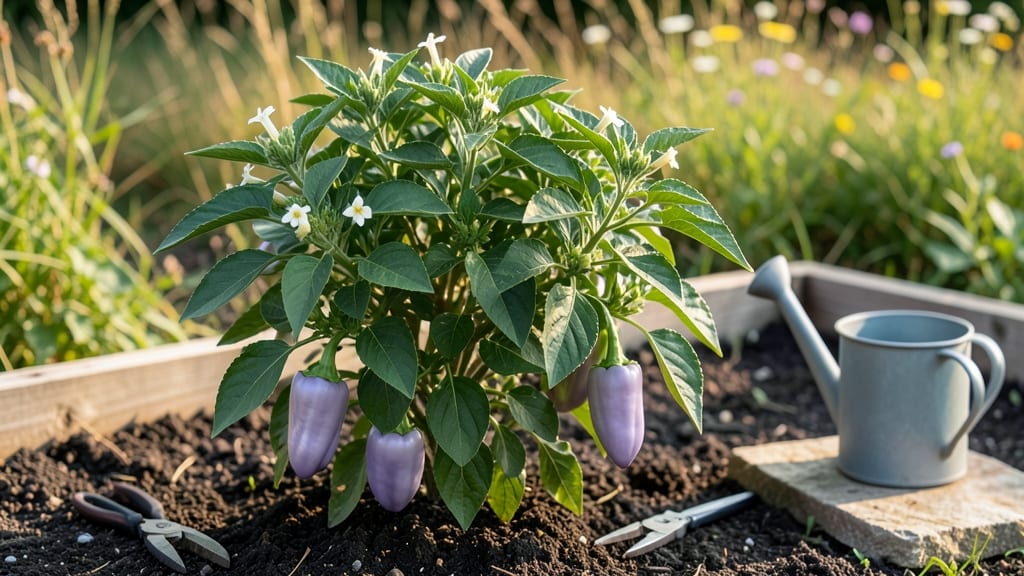
Growing lavender bell peppers transforms your garden into a fragrant, productive powerhouse. 🌿 These unique peppers aren’t just stunning with their purple hues—they pack a mild, slightly sweet heat that keeps coming back all season long.
My first batch last summer proved just how foolproof they can be, even for gardeners who’ve struggled with finicky varieties before.
The secret starts with well-draining soil and full sun (6+ hours daily), but don’t stress about perfect conditions—these peppers thrive in zones 5-10 and handle heat better than most. Plant them 18-24 inches apart in raised beds or containers, and you’ll avoid the soil-borne diseases that plague other peppers.
A balanced fertilizer every 4-6 weeks keeps them producing until frost.
What makes them special? Their lavender-colored bells ripen to a deep purple, and the flavor—sweet with a gentle kick—stays consistent even when harvested young. Pick when firm but starting to change color for the best taste, and you’ll enjoy fresh peppers from mid-summer until fall.
The plants also repel pests naturally, so you’ll spend less time battling aphids and more time harvesting.
Whether you’re growing in pots or garden beds, these peppers deliver reliable harvests with minimal fuss. The key is patience—give them time to establish roots before expecting heavy yields. Once they’re going, you’ll wonder why you didn’t try them sooner.
📚 In This Guide
- What you need
- Instructions
- Tips and common mistakes
- Wrapping up and next steps
What you need
- ● Seeds or Seedlings: 3–5 lavender bell pepper seeds or 3–5 healthy seedlings (start indoors 8–10 weeks before last frost).
- ● Containers or Garden Bed: Containers: 5-gallon pots (1 per plant) with drainage holes.
- ● Garden Bed: Well-draining soil in a sunny spot (6+ hours of sunlight daily).
- ● Potting Mix: 1 bag (1.5–2 cubic feet) of high-quality, well-draining potting mix (e.g., 60% peat moss, 30% perlite, 10% compost).
- ● Fertilizer: Balanced 10-10-10 fertilizer (1 lb) for planting.
- ● Slow-release organic fertilizer (e.g., fish emulsion or compost tea) for ongoing care.
- ● Watering Can or Hose: With a gentle spray nozzle for hydration.
- ● Mulch: 1–2 inches of straw or shredded leaves to retain moisture.
- ● Pruning shears (for trimming leggy growth).
- ● Garden stakes or cages (to support plants as they grow).
- ● pH test kit (to ensure soil pH is 6.0–6.8).
- ● Heat mat (if starting seeds indoors in cool climates).
- ● Row covers (for frost protection in early/late seasons).
Step-by-step instructions for cultivating lavender bell peppers
Here’s how to grow these fragrant, flavorful peppers year-round with minimal fuss.
🌱 Step 1: Select and Prepare the Right Soil Mix
Start with a well-draining potting mix that blends 50% compost with 50% coco coir or perlite—this mimics the airy, nutrient-rich soil lavender bell peppers thrive in. I avoid garden soil because it compacts easily and traps moisture, which causes root rot. Amend the mix with a slow-release organic fertilizer (like fish bone meal) to provide steady nutrients without burning tender roots.
Fill your 6-inch pots (or larger for multiple plants) to 1 inch below the rim, tapping gently to settle the soil. Press lightly with your fingers to create a firm base—this prevents seedlings from toppling over as they grow. The surface should feel crumbly but not powdery; if it sticks together when squeezed, add more perlite to improve aeration.
☀️ Step 2: Plant Seeds at the Right Depth and Temperature
Sow 2-3 seeds per pot at a depth of ¼ inch, spacing them 1 inch apart. Lavender bell peppers germinate best in warm soil (75-85°F), so use a seedling heat mat if your home runs cooler. Water gently with a spray bottle until the soil feels evenly moist but not soggy—overwatering here drowns seeds before they sprout.
Cover the pots with clear plastic wrap to retain humidity, but prop one edge up slightly to prevent mold. Place them in bright, indirect light (like a south-facing window with sheer curtains) until sprouts appear in 7-14 days. Avoid direct sun at this stage—young seedlings scorch easily.
💧 Step 3: Transplant and Provide Optimal Light
Once seedlings develop 2-3 true leaves, thin to the strongest plant per pot by snipping the others at the base with clean scissors. Transplant into larger containers (10-12 inches deep) filled with the same soil mix, burying stems up to the first set of leaves to encourage root growth along the buried stem.
Move pots to a south-facing window or under grow lights providing 12-14 hours of light daily. Lavender bell peppers need full sun (6+ hours) to develop their signature color and flavor, but too much direct sun indoors can bleach leaves. Rotate pots quarter-turn weekly so plants grow straight—you’ll notice leggy stems if they stretch toward the light.
✂️ Step 4: Prune and Fertilize for Continuous Harvests
Pinch off flower buds until plants are 6-8 inches tall—this redirects energy to leafy growth, not fruit. Once established, let flowers develop into peppers, but prune suckers (side shoots in leaf axils) to focus energy on the main stem. Use sterile pruning shears and clean the blades with rubbing alcohol between cuts to prevent disease.
Fertilize every 4-6 weeks with a balanced organic fertilizer (like 5-5-5), but cut back to half-strength once peppers start forming. Over-fertilizing at this stage leads to excessive foliage and fewer peppers. Water at the base only, keeping soil consistently moist but never waterlogged—lavender bell peppers wilt quickly if thirsty but rot just as fast if soggy.
🌿 Step 5: Harvest and Extend the Season
Pick peppers when they’re firm, glossy, and fully colored—this encourages more production. Use clean pruners to snip stems, leaving a ¼-inch stub to prevent disease entry. For year-round harvests, bring pots indoors before the first frost, placing them under grow lights in a cool (60-65°F) room with 10-12 hours of light daily. Reduce watering slightly in winter, as growth slows.
Here’s the thing—lavender bell peppers reward patience. If you prune aggressively in early spring, you’ll get two harvest cycles before summer’s heat sets in. Save seeds from your best peppers by drying them in a paper bag for 2 weeks, then store in a cool, dark place for next year’s plants.
Tips & tricks for thriving lavender bell peppers
Common pitfalls—and how to sidestep every one. These insights will help you avoid the most frustrating missteps when cultivating these delicate yet rewarding plants.
Soil Aeration Secret: The 50-50 compost-to-coco coir mix isn't just about drainage—it's about creating a sponge-like structure that holds moisture without suffocating roots. After mixing, run your fingers through the soil: it should feel like crumbly cake batter, not wet sand. If it sticks together, add more perlite until it breaks apart cleanly. This prevents the compacting that leads to root rot, which I learned the hard way after losing three seedlings to soggy soil.
Germination Temperature Control: Those 75-85°F soil temperatures aren't just numbers—they're the difference between eager sprouts and stubborn seeds. Use a seedling heat mat if your home runs cooler, but don't overdo it. Test the soil temperature with a thermometer before planting; anything below 70°F slows germination dramatically. I've seen seeds take three weeks instead of the expected 7-14 days when soil was too cool. Pro tip: Place your pots on a sunny windowsill during the day to naturally warm the soil.
Light Rotation Strategy: The weekly quarter-turn rotation in Step 3 isn't just about straight stems—it's about preventing light stress. Lavender bell peppers grow toward their light source with alarming speed, and that constant stretching weakens cell walls. Rotate your pots so all sides get equal exposure, and you'll notice the stems stay sturdy and upright. For indoor growers, consider a simple DIY rotating tray that turns automatically every 24 hours. This technique gives you plants that grow toward the sky, not toward the light.
Pruning Precision: When pinching off flower buds at 6-8 inches, aim for clean cuts just above a leaf node. Don't leave stubs—they can rot and invite pests. Use sharp scissors or your thumbnail to make the cut, and always sterilize your tools between plants. I've found that plants pruned this way develop thicker stems and produce more peppers later in the season. The key is patience: resist the urge to let flowers form until the plant is established.
Pro Tips for Lavender Bell Pepper
- Common pitfalls—and how to sidestep every one. These insights will help you avoid the most frustrating missteps when ...
- Soil Aeration Secret: The 50-50 compost-to-coco coir mix isn't just about drainage—it's about creating a sponge-like ...
- Germination Temperature Control: Those 75-85°F soil temperatures aren't just numbers—they're the difference between e...
Frequently asked questions
Got questions about growing and harvesting lavender bell peppers? You’re not alone! Here are answers to the most common queries to help you cultivate a thriving crop with ease.
How long does it take for lavender bell peppers to mature after transplanting?
Lavender bell peppers typically take 60–90 days to mature after transplanting, depending on your climate and growing conditions. In warmer regions, they may ripen faster (around 60 days), while cooler areas could extend this to 90 days. Monitor fruit color—ripe peppers turn a deep, rich lavender-purple!
Can I grow lavender bell peppers in containers, and what size pot do I need?
Lavender bell peppers thrive in containers. Use a pot that’s at least 12–18 inches in diameter and 12 inches deep to accommodate their root system. Ensure the container has drainage holes and fill it with well-draining potting mix. Just keep them in a sunny spot (6+ hours of light daily) for best results.
Why are my lavender bell peppers turning yellow or white before ripening?
Yellowing or white peppers before full ripeness can signal nutrient deficiencies, overwatering, or temperature stress. Check your soil’s nitrogen levels (peppers need balanced NPK) and avoid soggy roots. Also, ensure daytime temps stay between 70–85°F—extreme heat or cold can stunt color development.
Are lavender bell peppers spicier than regular bell peppers?
Not necessarily! While they’re part of the Capsicum annuum family, lavender bell peppers are mild to moderate in heat, similar to standard bell peppers (0–5,000 Scoville units). Their unique flavor comes from sweetness and floral notes—not spice. Perfect for adding color and depth to dishes without the heat!
What’s the best way to harvest lavender bell peppers for maximum yield?
Harvest when peppers reach full color but are still firm (avoid overripe, soft fruit). Use clean pruners or scissors to snip stems, leaving a small nub. Pick regularly—this encourages more production! Store in a cool, dark place (or fridge) for up to 2 weeks, or preserve by freezing, pickling, or drying for later use.
Wrapping up and next steps
Growing lavender bell peppers is a rewarding journey that brings vibrant color and delicious flavor to your garden—no matter the season! With the right soil, sunlight, and care, you’ll enjoy a bountiful harvest of sweet, aromatic peppers year-round.
Whether you’re a seasoned gardener or just starting, these tips will help you cultivate thriving plants and savor the fruits of your labor.
Ready to take the next step? Start by gathering your supplies and planting your first seeds or seedlings today—your garden (and taste buds!) will thank you. 🌱✨