
Picking
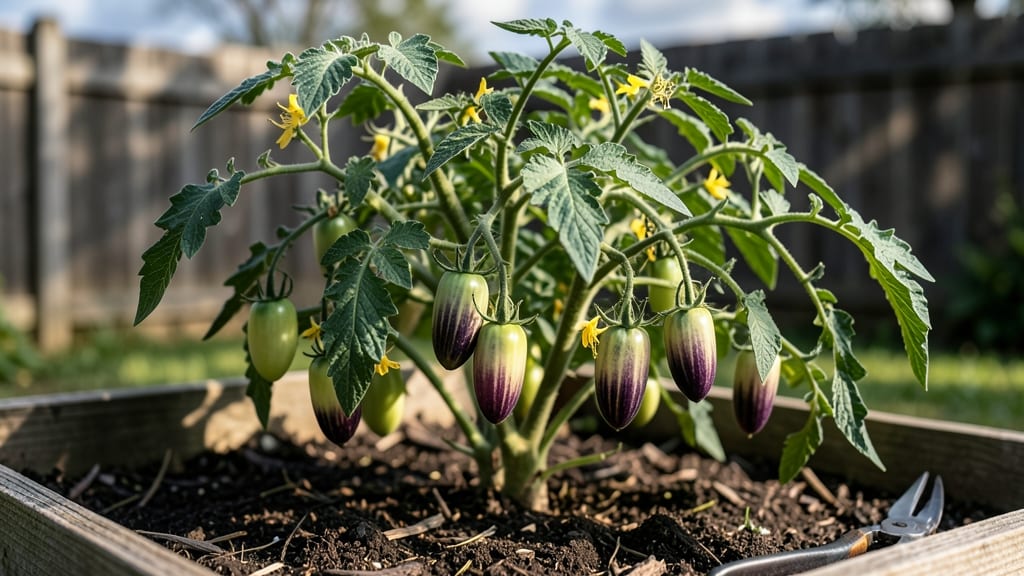
Pepper-shaped tomatoes like Black Krim and Cherokee Purple grow into perfect, plump fruits that look like mini bell peppers—if you prune them right. 🌱 I’ve grown these heirlooms for years, and the difference between lumpy, misshapen tomatoes and these sleek, glossy beauties comes down to one key technique: strategic pruning.
Most gardeners never touch their tomato suckers, but that’s exactly where the magic happens.
The secret isn’t complicated—it’s about guiding the plant’s energy toward fewer, larger fruits instead of a bush full of tiny ones. Start by removing the first few suckers (those little shoots between the main stem and branches) when they’re no bigger than a pencil eraser.
This forces the plant to focus on the existing flowers and fruit clusters, giving you those uniform, pepper-like shapes that heirlooms are famous for. Think of it like sculpting: you’re shaping the plant’s growth habit from the start.
By mid-summer, your plants will be heavy with glossy, deep purple or black fruits that stay firm and sweet long after store-bought tomatoes turn mealy. The pruning pays off in harvests that look as good as they taste—no more sad, lopsided tomatoes hiding behind leaves.
Plus, the plants stay compact, making them perfect for containers or small gardens where space is tight.
Here’s the best part: this method works for any pepper-shaped variety, whether you’re growing in full sun or a partial shade spot. Just remember—prune early, prune often, and don’t be afraid to get your hands dirty. Your tomatoes (and your neighbors) will thank you.
📚 In This Guide
- What you need
- Instructions
- Tips and common mistakes
- Wrapping up and next steps
What you need
- ● Tomato plants: 1–2 determinate tomato varieties (e.g., 'Roma,' 'San Marzano,' or 'Pepper Shaped' hybrids like 'Black Pearl' or 'Sweet 100').
- ● Quantity: 1 plant per 18"–24" pot or 2–3 plants per 6' row in-ground (for pruning ease).
- ● Growing medium: High-quality potting mix (sterilized, with perlite/vermiculite for drainage). OR
- ● Well-draining garden soil (amend with compost: 2–3 cups per sq. ft.).
- ● Containers (if not in-ground): 5-gallon fabric pots OR plastic pots with drainage holes (minimum 18" diameter).
- ● Quantity: 1 per plant.
- ● Fertilizer: Balanced organic fertilizer (5-5-5 or 10-10-10) OR compost tea.
- ● Quantity: 1 tbsp per plant at planting + monthly feedings.
- ● Pruning tools: Bypass pruners (sharp, sterilized with rubbing alcohol).
- ● Hand pruners (for smaller stems).
- ○ Optional: Disposable gloves (to avoid sap irritation).
- ● Support system: Cages (5' tall) OR stakes (6' bamboo/timber) + soft ties.
- ● Quantity: 1 per plant.
- ● Climate: Full sun (6–8+ hours daily) and warm temps (60°F+).
- ● Water: Drip irrigation OR watering can (1–2" per week; avoid wetting foliage).
- ● Sterilization: Clean tools and pots with 10% bleach solution (1 part bleach to 9 parts water) to prevent disease.
- ● Patience: Pepper-shaped tomatoes thrive with consistent pruning—start when plants are 12" tall!
- ● Growth regulator (e.g., ProGibb) to encourage compact fruit shape.
- ● Mulch (straw or shredded leaves) to retain moisture and suppress weeds.
- ● pH test kit (ideal soil pH: 6.0–6.8 for tomatoes).
- ● Plant markers (to track varieties if growing multiples).
Step-by-Step instructions for pruning tomatoes to achieve pepper-like shapes
Here’s how I transform ordinary tomatoes into those stunning, pepper-shaped beauties—no fancy tools, just smart pruning.
🌱 Step 1: Identify and Select Your Main Stem
Start by choosing one strong, healthy main stem to keep growing vertically. This is your plant’s backbone—everything else will branch from here. Look for the thickest, straightest stem with deep green leaves and no signs of disease. I usually pick the stem closest to the center of the plant, as it’s often the most robust.
Remove any competing stems that emerge from the base of the plant. These suckers will drain energy from your main stem, leading to smaller, misshapen fruit. Use clean pruning shears to snip them off at the base, leaving a tiny bump—this prevents disease from entering the wound. If you’re growing 4 plants, focus on keeping just one main stem per plant to ensure all energy goes into shaping those perfect pepper-like tomatoes.
✂️ Step 2: Prune for Balance and Airflow
As your plant grows, you’ll see suckers—those little shoots that grow in the "V" between the main stem and a branch. These are your secret weapon for shaping tomatoes. Leave only the suckers that grow below the first flower cluster—these will become your secondary branches. Remove all others to prevent overcrowding and improve airflow, which keeps fruit disease-free.
Here’s the trick: When your main stem reaches about 3-4 feet tall, let two strong suckers grow into branches. These will become your plant’s primary arms, each capable of producing 2-3 clusters of fruit. Pinch off any additional suckers that form higher up—you want only 3-4 branches total per plant to maintain that compact, pepper-like shape. Watch for leaf yellowing or stunted growth; this signals you’ve pruned too aggressively.
☀️ Step 3: Train Branches for Optimal Fruit Shape
Once your branches are established, tie them to a sturdy stake or trellis using soft plant ties. This keeps them upright and prevents the weight of fruit from bending them into awkward shapes. Space your ties every 12 inches to distribute the plant’s weight evenly. The goal is to grow branches horizontally outward—this encourages fruit to form along the sides, mimicking the natural shape of a pepper.
Now, focus on pruning the tips of your branches. When each branch reaches 12-18 inches long, pinch off the very top to stop vertical growth. This forces the plant to put energy into fruit production rather than leafy growth. You’ll see small buds forming along the sides of the branch—these are your future tomatoes. If a branch gets too long or leggy, trim it back to 8-10 inches to keep the plant compact and the fruit shaped just right.
🌿 Step 4: Maintain and Harvest for Perfect Results
Throughout the growing season, keep an eye out for suckers that sneak up between the main stem and branches. Remove these immediately—they’ll steal energy from your pepper-shaped tomatoes. Also, prune any leaves that grow below the first flower cluster to improve airflow and reduce humidity, which prevents diseases like blight.
When your tomatoes start to form, harvest them when fully colored but still slightly firm. This ensures they reach their peak shape and flavor. If you notice fruit starting to distort or crack, it’s a sign of uneven watering or over-fertilizing—adjust your care immediately. With this method, you’ll end up with 4 plants producing tomatoes that look like they belong in a gourmet grocery store, not your backyard.
Tips & tricks for perfect pepper-shaped tomatoes
These game-changing tricks will help you master the art of pruning for tomatoes that look like they belong in a high-end grocery store!
Sucker Selection Strategy: In Step 2, focus on identifying suckers that grow below the first flower cluster—these are your golden tickets for shaping. I've found that allowing just two strong suckers to grow into branches (when the main stem hits 3-4 feet) creates the perfect balance. The key is to visualize your plant's final shape: three to four branches total, each growing horizontally outward like a pepper's ribs. This creates that coveted compact form while maximizing fruit production.
Pruning Timing: The 12-18 inch rule for branch length in Step 3 is crucial—this is when you should pinch off the tips to redirect energy toward fruit production. I've learned this the hard way: letting branches grow too long (over 18 inches) results in leggy, weak stems that can't support the fruit properly, leading to distorted shapes. Think of it like training a vine—you're guiding where the plant puts its energy for maximum impact.
Staking and Tying Technique: When training branches in Step 3, don't just tie them to stakes—create a gentle outward angle by positioning the ties slightly away from the plant's center. This horizontal growth pattern is what mimics a pepper's natural shape. I use soft plant ties spaced every 12 inches, making sure they're not too tight (which can damage stems) but firm enough to hold the branches in place. The goal is to create that distinctive outward curve that makes pepper-shaped tomatoes so visually striking.
Harvesting Cues: The instructions mention harvesting when tomatoes are fully colored but still firm, but here's what nobody tells you: look for that slight give when you gently squeeze the fruit—it should feel like a ripe avocado. I've found that harvesting at this exact moment preserves both shape and flavor. Overripe tomatoes not only lose their perfect form but also develop mealy texture. And if you notice any fruit starting to crack, it's usually a sign of inconsistent watering—aim for deep watering 1-2 times per week rather than frequent shallow watering.
Pro Tips for Pepper Shaped Tomatoes
- These game-changing tricks will help you master the art of pruning for tomatoes that look like they belong in a high-...
- Sucker Selection Strategy: In Step 2, focus on identifying suckers that grow below the first flower cluster—these are...
- Pruning Timing: The 12-18 inch rule for branch length in Step 3 is crucial—this is when you should pinch off the tips...
Frequently asked questions
Got questions about pepper-shaped tomatoes?
You’re not alone! Here are answers to the most common queries—from pruning to harvest—to help you grow perfect, pepper-shaped fruit like a pro.
Why do my tomatoes look like peppers instead of their usual shape?
Pepper-shaped tomatoes (like the ‘Pepperoni’ variety) are bred to grow elongated, like mini bell peppers! If your regular tomatoes are turning pepper-shaped, it’s often due to over-pruning or nutrient imbalances (too much nitrogen). Try adjusting your pruning to leave more leaves for photosynthesis, or switch to a balanced fertilizer (like 10-10-10).
How long does it take for pepper-shaped tomatoes to mature?
Most pepper-shaped tomato varieties (e.g., ‘Pepperoni’, ‘Pepperella’) take 70–85 days to mature from transplant. Keep an eye on the fruit’s color—ripe pepper-shaped tomatoes will turn deep red, yellow, or green (depending on the variety) and feel slightly firm but yield to gentle pressure. Pro tip: Harvest early to encourage more production!
Can I grow pepper-shaped tomatoes in containers?
Pepper-shaped tomatoes thrive in 5-gallon containers or larger with good drainage. Use a lightweight potting mix and a tomato cage or trellis to support their vines. Just ensure the pot gets 6–8 hours of sunlight daily and water consistently (containers dry out faster!). Varieties like ‘Tiny Tim’ (pepper-shaped) are perfect for small spaces.
What should I do if my pepper-shaped tomatoes crack or split?
Cracking is common when tomatoes grow too fast due to inconsistent watering or heavy rain after a dry spell. To prevent it:
- Water deeply but evenly (1–2 inches per week).
- Use mulch to retain moisture.
- Harvest overripe fruit promptly to avoid stress.
Are pepper-shaped tomatoes better for cooking or eating raw?
Pepper-shaped tomatoes are versatile! Their thick walls and sweet-tangy flavor make them great for:
- Raw: Sliced in salads or stuffed like mini peppers.
- Cooking: Roasted, grilled, or sauced (their shape holds up well!).
- Preserving: Perfect for pickling or sun-drying.
Wrapping up and next steps
Growing pepper-shaped tomatoes is all about patience, precision, and a little pruning magic! 🌱 With the right techniques—like strategic pruning, proper support, and consistent care—you’ll soon be harvesting vibrant, uniform fruits that look like they belong in a gourmet dish.
Remember, every gardener starts somewhere, so don’t be discouraged by early challenges.
Ready to take the next step? Experiment with different pruning styles or share your progress with fellow gardeners! Whether you’re aiming for show-stopping tomatoes or just boosting your harvest, your green thumb is already on the right track. Happy growing! 🌟