
Pests and Diseases
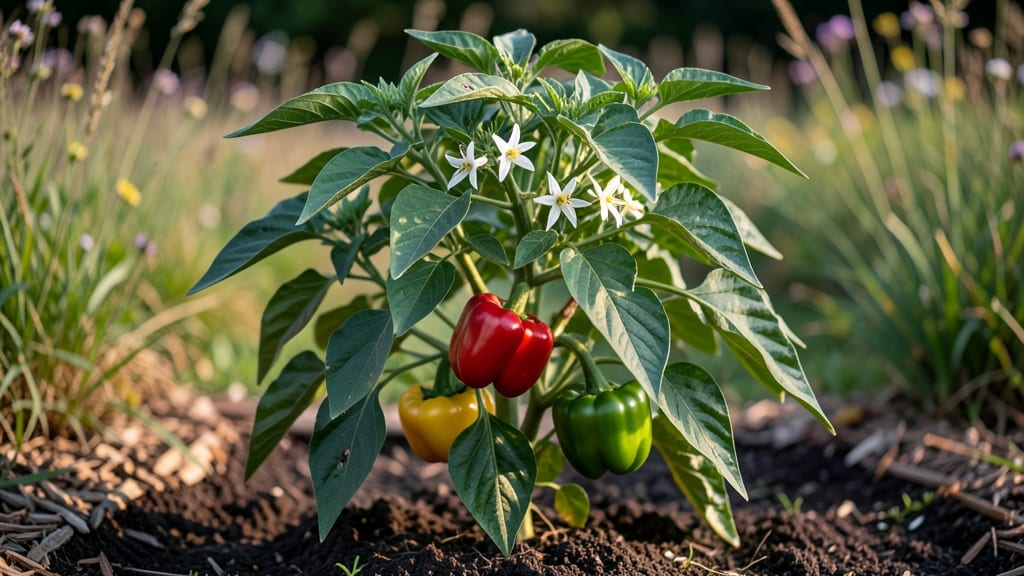
Pepper leaves curling upwards? That tiny twist could mean thrips, spider mites—or something else entirely. 🌱 I’ve seen this happen after a single hot afternoon, and by the next morning, the plant looked like it was doing the wave.
The good news: fixing it fast stops the damage before it spreads.
Most gardeners blame pests first, but overwatering, nutrient burn, or even fungal infections can cause the same upward curl. I check the undersides of leaves first—thrips leave silvery streaks, while spider mites create fine webbing.
If you don’t see either, dig deeper: dry soil or yellowing stems point to water or nutrient issues.
Your quick fix depends on the cause: a strong spray of neem oil tackles pests, while flushing the soil fixes overwatering. Within 3-5 days, leaves should flatten out if you catch it early. The key is acting before the plant puts all its energy into surviving instead of growing.
Prevention is easier than cleanup: inspect plants weekly, especially in dry heat, and rotate crops to break pest cycles. My black thumb learned this the hard way—now I treat curling leaves like a fire drill. Here’s how to diagnose and fix it before it’s too late.
Root Causes Behind Curling Leaves
Understanding why your pepper plant’s leaves are curling upward is the first step to saving it. These issues often stem from a mix of environmental stress and pest activity. Let’s break down the most common culprits with clear scientific explanations and actionable insights.
---
Pepper plants are tropical and thrive in warm, humid conditions. When temperatures soar—especially above 90°F (32°C)—or when soil moisture drops too low, leaves may curl upward as a survival mechanism. This response helps reduce water loss by minimizing surface area exposed to the air.
Why it happens: - Transpiration overload: High heat increases evaporation from leaf surfaces, forcing the plant to conserve water by curling edges upward. - Root stress: Drought conditions cause roots to struggle to absorb water, triggering a systemic response in the foliage. - Osmotic imbalance: Cells lose turgor pressure (rigidity) when dehydrated, leading to curling.
Actionable fix: - Water deeply (1–1.5 inches per week) but avoid soggy soil—peppers hate "wet feet." - Mulch with straw or shredded leaves to retain moisture and regulate soil temperature. - Provide afternoon shade in extreme heat (use shade cloth if temps exceed 95°F/35°C).
---
Two tiny but destructive pests—thrips and spider mites—are notorious for causing upward leaf curl. Their feeding habits damage cells, disrupting nutrient flow and triggering a defensive curl.
#### 🐜 Thrips: The Stealthy Sap Suckers Thrips are 1–2mm long, pale yellow to black, and feed on plant sap using serrated mouthparts.
Their damage: - Stippling: Tiny white or silver specks appear on leaves (a sign of cell collapse). - Curling: Leaves roll upward or inward to protect damaged tissue. - Stunted growth: Severe infestations weaken the plant, reducing yield.
Why it happens: - Thrips inject toxic saliva into cells, causing them to shrivel and curl. - They thrive in dry, hot conditions (ideal for pepper plants in summer). - New growth is most vulnerable, leading to a "cupping" effect.
How to spot them: - Use a hand lens to check for tiny black specks (feces) or live thrips on leaf undersides. - Look for silver streaks on stems or buds (a classic thrips sign).
#### 🕷️ Spider Mites: The Webbed Menace Spider mites are microscopic (0.5mm) and create fine webbing on leaves.
Their damage: - Bronzing/yellowing: Leaves develop a stippled, bronze appearance before curling. - Webbing: Tiny silk strands appear in severe cases (like dusty cobwebs). - Premature leaf drop: Heavy infestations cause leaves to crisp and detach.
Why it happens: - Mites prefer dry, dusty environments—they can’t survive high humidity. - They pierce cells to suck sap, disrupting chlorophyll production (hence the yellowing). - Curling is a defense mechanism to shield damaged areas from further attack.
How to spot them: - Hold a white sheet of paper under a leaf and shake—mites will fall like rain. - Check for fine webbing in leaf axils or between branches.
--- While less common than pests, fungal pathogens (like Alternaria or Phytophthora) or bacterial infections (such as Xanthomonas) can cause leaf curl. These pathogens often enter through wounds (e.g., from thrips feeding) or overwatered soil.
Why it happens: - Fungal spores thrive in humid, stagnant conditions, causing cells to distort as the plant fights infection. - Bacterial ooze (yellow/green pus-like substance) may appear on curled leaves, confirming infection. - Systemic stress: The plant diverts energy to combat pathogens, leading to malformed growth.
Actionable fix: - Remove infected leaves immediately and sterilize pruners with rubbing alcohol. - Improve airflow by spacing plants 18–24 inches apart. - Avoid overhead watering—use drip irrigation to keep foliage dry.
--- Pepper plants need a balanced diet of nitrogen (N), phosphorus (P), and potassium (K). Imbalances—especially excess salt (from fertilizers) or zinc/manganese deficiencies—can cause curling.
Common triggers: | Issue | Symptoms | Cause | |--------------------------|---------------------------------------|------------------------------------| | Nitrogen deficiency | Yellowing lower leaves, stunted growth | Poor soil or over-pruning | | Potassium deficiency | Scorched leaf edges, weak stems | Sandy soil or leaching | | Salt buildup | Crispy leaf edges, upward curl | Over-fertilization or poor drainage| | Zinc/manganese lack | Interveinal chlorosis (yellow between veins) | Acidic or compacted soil |
Actionable fix: - Test soil pH (ideal: 6.0–6.8 for peppers). Adjust with lime (to raise) or sulfur (to lower). - Flush soil with water if you suspect salt buildup (run water until it drains clear). - Use a balanced fertilizer (e.g., 10-10-10) and foliar spray with micronutrients if needed.
--- Sudden changes in light, wind, or temperature can stress pepper plants, leading to curling.
- Windburn: Strong gusts dry out leaf edges, causing them to curl upward for protection. - Cold drafts: Temperatures below 50°F (10°C) can stunt growth and trigger curling. - Transplant shock: Moving peppers too early in the season (before soil warms to 60°F/15°C) stresses roots, leading to poor foliage development.
Actionable fix: - Use windbreaks (e.g., burlap screens) in exposed areas. - Hardening off seedlings gradually before transplanting. - Mulch heavily to insulate roots from temperature swings.
Quick Fixes for Curling Pepper Leaves
If your pepper plants are showing signs of curling leaves, don’t panic—there are practical steps you can take to diagnose and treat the issue. Below, we’ve mapped out targeted solutions based on the most common causes, from environmental stressors to pest infestations.
Follow these steps to revive your plants and prevent future damage.
---
Fix: Adjust your watering habits and improve soil aeration.
- 🔥 Step 1: Check the Soil Moisture Stick your finger 1–2 inches deep into the soil. If it’s soggy, hold off on watering for a few days. Peppers prefer moderate moisture—never soggy.
- 🍳 Step 2: Improve Drainage If your pots lack drainage holes, transfer your plant to a container with them. For in-ground plants, amend the soil with perlite, sand, or compost to loosen it up.
- 👨🍳 Step 3: Water Deeply but Less Often Water only when the top inch of soil is dry. Use a drip irrigation system or water at the base of the plant (avoid wetting leaves to prevent fungal issues).
- ⏰ Step 4: Monitor for Recovery Within 3–5 days, you should see leaves unfurl if the issue was water-related.
💡 Prevention Tip: Use a moisture meter to track soil conditions and avoid guesswork. Mulching with straw or wood chips helps retain moisture without over-saturating the roots.
---
Fix: Hydrate properly and provide shade during extreme heat.
- 🔥 Step 1: Water Thoroughly If the soil is bone-dry, soak the roots deeply with 1–2 gallons of water (depending on plant size). Do this early in the morning to reduce evaporation.
- 🍳 Step 2: Provide Temporary Shade If temperatures exceed 90°F (32°C), use shade cloth (30–50%) or move potted peppers to a cooler, shaded spot for a few hours a day.
- 👨🍳 Step 3: Mulch to Retain Moisture Apply a 2–3 inch layer of mulch (straw, grass clippings, or shredded leaves) around the base to lock in moisture.
- ⏰ Step 4: Watch for Improvement Leaves should uncurl within 24–48 hours if dehydration was the issue.
💡 Prevention Tip: Group pepper plants together to create a microclimate that retains humidity. Avoid watering during peak sun hours (10 AM–4 PM) to reduce stress.
---
Fix: Isolate, clean, and treat with natural or chemical solutions.
#### 🔪 For Thrips: - 🔥 Step 1: Isolate the Plant Move the infected pepper to a quarantine area (like a greenhouse or garage) to prevent spreading.
- 🍳 Step 2: Wipe Down Leaves Use a soapy water solution (1 tsp mild dish soap per quart of water) and dab leaves with a soft cloth to remove pests.
- 👨🍳 Step 3: Apply Neem Oil Spray Mix 1 tbsp neem oil + 1 tsp mild soap per gallon of water. Spray both sides of leaves and repeat every 5–7 days for 2–3 weeks.
- ⏰ Step 4: Introduce Beneficial Insects Release predatory mites or ladybugs to eat thrips naturally.
#### 🕷️ For Spider Mites: - 🔥 Step 1: Blast Off Pests Use a strong stream of water to knock mites off leaves.
- 🍳 Step 2: Spray with Horticultural Oil Apply horticultural oil (follow label instructions) to smother mites. Reapply every 5–7 days.
- 👨🍳 Step 3: Increase Humidity Spider mites thrive in dry conditions. Use a humidifier nearby or mist plants daily to deter them.
- ⏰ Step 4: Remove Heavily Infested Leaves Prune and dispose of severely damaged leaves (do not compost them).
💡 Prevention Tips: - 🌡️ Keep plants healthy—stressed plants attract pests. - 🎯 Inspect new plants before bringing them indoors or into the garden. - ✨ Use reflective mulch (like aluminum foil) to confuse and repel pests.
---
Fix: Adjust fertilization and soil health.
- 🔥 Step 1: Test Your Soil Use a DIY soil test kit or send a sample to a local extension office to check pH and nutrient levels.
- 🍳 Step 2: Apply Balanced Fertilizer If deficient in nitrogen, use a 5-10-10 fertilizer (higher nitrogen). For potassium, opt for 0-0-50 or banana peel tea.
- 👨🍳 Step 3: Use Organic Amendments Mix compost, worm castings, or fish emulsion into the soil for a slow-release nutrient boost.
- ⏰ Step 4: Monitor Growth Leaves should uncurl and green up within 1–2 weeks with proper fertilization.
💡 Prevention Tip: - 📊 Follow a feeding schedule—peppers need light feeding every 2–3 weeks during growing season. - 🥗 Avoid over-fertilizing, which can burn roots and worsen the issue.
---
Fix: Improve airflow and apply targeted treatments.
- 🔥 Step 1: Prune Infected Areas Remove yellowed, curled, or spotted leaves with sterilized pruners (wipe with rubbing alcohol between cuts).
- 🍳 Step 2: Apply Fungicide Use a copper-based fungicide or baking soda spray (1 tsp baking soda + 1 quart water + a drop of soap) every 7–10 days.
- 👨🍳 Step 3: Improve Air Circulation Space plants 12–18 inches apart and stake tall varieties to prevent humidity buildup.
- ⏰ Step 4: Rotate Crops Next Season Avoid planting peppers in the same spot for at least 2–3 years to prevent soil-borne diseases.
💡 Prevention Tip: - 🌡️ Water at soil level (not overhead) to keep leaves dry. - ✨ Use resistant varieties like ‘Jalapeño M’ or ‘Bell Boy’ if fungal issues are recurrent.
--- Final Note: Most curling issues resolve within a week if treated early. Keep a plant journal to track symptoms and solutions for future reference! 🌱🔍
Frequently asked questions
Why are my pepper leaves curling upward but there are no visible pests?
Curling without pests often signals environmental stress or nutrient issues. Check for dry soil (peppers need 1-1.5 inches of water weekly) or heat stress above 90°F (32°C). Also inspect for yellowing stems (overwatering) or crispy edges (salt buildup from fertilizer). Try mulching and providing afternoon shade.
How can I tell if spider mites or thrips are causing the curling?
Check leaf undersides: thrips leave silver streaks and tiny black specks, while spider mites create fine webbing. Shake a leaf over white paper—mites will appear as moving dots. Thrips prefer dry heat, while mites thrive in dusty, low-humidity conditions. Neem oil works for both but requires 3 applications spaced 5-7 days apart.
Will my pepper plant recover if I fix the curling now?
Yes, but speed matters! Mild cases resolve in 3-5 days with proper care. For pests, isolate the plant immediately. For environmental issues, adjust watering and shade. Severe curling from fungal infections may require removing affected leaves, but new growth should return within 1-2 weeks if treated early.
Can I use the same treatment for curling on both pepper plants and tomatoes?
Most solutions work for both, but be cautious: tomatoes are more sensitive to copper fungicides (use baking soda instead) and overwatering. For pests, both respond to neem oil, but tomatoes may need more frequent applications (every 4-5 days). Always test treatments on a small area first—some varieties react differently.
What's the fastest way to prevent curling in my pepper plants?
Start with consistent moisture (water at soil level, not leaves) and weekly inspections for pests. Use reflective mulch (aluminum foil) to deter insects and prune lower leaves to improve airflow. For high-risk areas, apply neem oil preventatively every 2 weeks during hot, dry months.