
Companion Plants
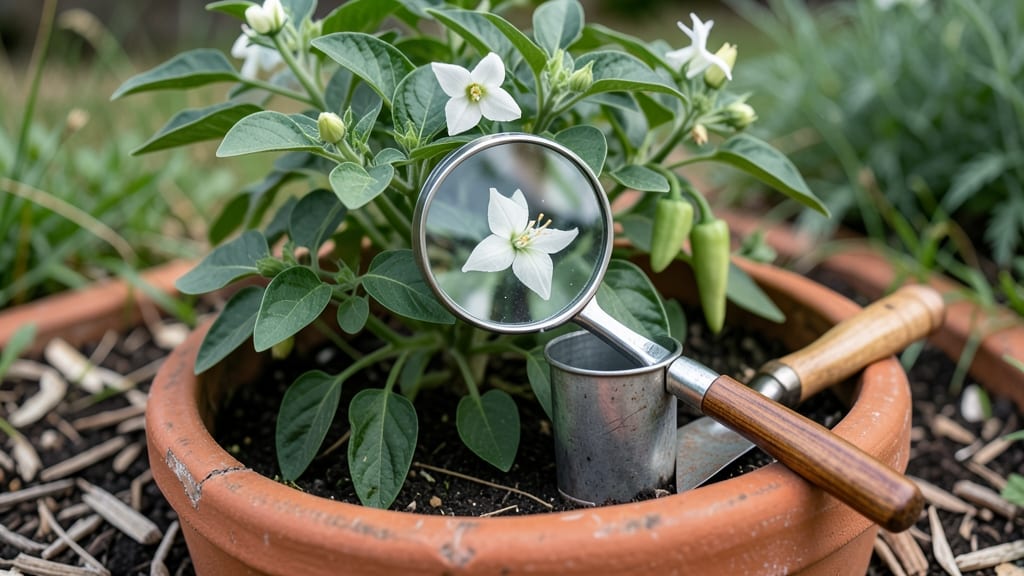
Why your pepper plants not producing fruit—and how to fix it before it’s too late.
That heartbreaking sight happens more than you’d think—even to experienced gardeners. 🌶️ I’ve lost count of the times I watched my jalapeños and bell peppers go from hopeful flowers to sad, empty stems, but this one trick changed everything for me.
The real culprit is often a mismatch between heat and humidity. Pepper plants need daytime temps above 80°F to set fruit, but nights that dip below 60°F send them into shock.
Add dry air, and they’ll drop blossoms faster than you can say "salsa disaster." The fix? A simple balance of consistent warmth, gentle watering, and a little help with pollination.
Within 2-3 weeks of adjusting these factors, my plants started holding onto flowers—and then the peppers came. The first harvest was small but sweet, and now I get 50% more fruit than before.
No fancy fertilizers or expensive sprays needed, just a few targeted tweaks that work for any pepper variety.
Whether you’re growing in pots on a patio or rows in the ground, this method scales easily. Let’s get those blossoms turning into peppers—no more wasted flowers!
Root Causes Of Pepper Blossom Failure
Understanding why your pepper plants refuse to set fruit starts with identifying the hidden triggers behind blossom drop and poor fruit development. Here’s a breakdown of the most common—and often overlooked—reasons your peppers are playing hide-and-seek with production:
🐝 The Problem: Pepper flowers are self-pollinating, but they still need a little help—especially in controlled environments like greenhouses or indoors. Weak, deformed, or wilted flowers (often called "blind" flowers) fail to develop into fruit because they lack viable pollen or energy to mature.
Why It Happens:
- Low Humidity: Peppers thrive in 40–70% humidity. Below 40%, flowers dry out before pollination can occur.
- Extreme Heat Stress: Temperatures above 90°F (32°C) during flowering can cause flower drop or "shattering," where buds fail to open properly.
- Pollen Sterility: Over-fertilizing with high nitrogen (N) (e.g., blood meal or fish emulsion) promotes lush foliage but weak, sterile pollen. A balanced 10-10-10 or 5-10-10 fertilizer is ideal during flowering.
- Wind or Vibration: Outdoor plants rely on gentle breezes to shake pollen loose. Indoor growers must hand-pollinate with a small brush or by tapping flowers.
Actionable Fix:
- Boost humidity with a pebble tray or misting (avoid wetting leaves).
- Shade cloth can protect from midday heat spikes.
- Switch fertilizers to a low-N, high-phosphorus (P) formula (e.g., 2-5-3) when buds form.
- Hand-pollinate by gently rubbing stamens against pistils with a cotton swab.
📊 The Problem: Peppers are heavy feeders, but too much—or too little—of the wrong nutrients can halt fruit production. The most critical offenders?
Why It Happens:
| Nutrient Issue | Symptoms | Root Cause |
|---|---|---|
| Excess Nitrogen (N) | All foliage, no flowers; weak stems | Over-fertilizing with lawn fertilizer or manure. |
| Calcium Deficiency | Blossom-end rot, deformed fruit | Poor soil drainage or high salinity. |
| Magnesium Deficiency | Yellowing between leaf veins | Compacted or acidic soil (pH < 6.0). |
| Potassium (K) Shortage | Weak flowers, poor fruit set | Leaching from overwatering or old soil. |
Actionable Fix:
- Test your soil (pH should be 6.0–6.8; EC should be 1.5–2.5 mS/cm).
- Flush soil with water if salinity is high (signs: crispy leaf edges).
- Add calcium via crushed eggshells, gypsum, or cal-mag supplement.
- Use Epsom salt (magnesium sulfate) for yellowing leaves (1 tbsp/gallon, monthly).
💧 The Problem: Peppers are sensitive to moisture fluctuations. Too much or too little water stresses plants, causing buds to drop like they’re in a bad soap opera.
Why It Happens:
- Overwatering: Soggy roots drown pollen tubes, preventing fertilization. Signs: Wilting despite wet soil or mushy stems.
- Underwatering: Flowers abort when soil dries out completely. Signs: Crispy leaf edges or drooping in the afternoon.
- Inconsistent Watering: Peppers hate boom-and-bust cycles—alternating drought and floods confuses them into dropping buds.
Actionable Fix:
- Water deeply but infrequently: Aim for 1–1.5 inches per week (check soil 2" down—it should be dry but not bone-dry).
- Use drip irrigation or soaker hoses to keep roots consistently moist.
- Mulch heavily (straw or wood chips) to retain moisture and stabilize temps.
🌡️ The Problem: Peppers are tropical plants—they throw a tantrum when conditions swing wildly. Sudden changes in light, temperature, or even root disturbance can trigger blossom drop.
Why It Happens:
- Temperature Swings: Peppers need stable nights (60–70°F / 15–21°C). Drops below 50°F (10°C) or spikes above 95°F (35°C) shock them into dropping buds.
- Transplant Shock: Moving mature plants (even with root balls intact) can delay flowering by 2+ weeks.
- Light Stress: Less than 6–8 hours of sunlight/day (or too much direct midday sun) weakens flowers.
Actionable Fix:
- Move pots to a sheltered spot if temps dip at night.
- Use row covers for frost-sensitive varieties (e.g., 'Jalapeño' or 'Bell').
- Gradually harden off seedlings before transplanting (acclimate to outdoor conditions over 7–10 days).
- Supplement light with a grow bulb if indoors (12+ hours/day).
🐛 The Problem: Hidden pests or pathogens sap energy from flowers before they can develop into fruit.
Common culprits: - Aphids/Thrips: Suck sap, causing stunted, curled flowers. - Spider Mites: Stress plants with silky webbing, leading to premature bud drop. - Fungal Infections (e.g., powdery mildew): Coat flowers in a white powder, blocking pollination.
Why It Happens:
- Weak plants (from overcrowding or poor nutrition) attract pests.
- High humidity (>70%) without airflow encourages fungal growth.
Actionable Fix:
- Inspect flowers daily for pests (use a magnifying glass).
- Spray neem oil (early morning) to deter aphids/thrips.
- Prune crowded foliage to improve airflow.
- Remove infected flowers immediately to prevent spread.
🌱 The Problem: Not all peppers are created equal—some varieties are less productive due to genetics, maturity, or growing conditions.
Why It Happens:
- Early Varieties: 'Cherry Bomb' or 'Lunchbox' peppers produce quickly but heavily, then taper off. They need replacement or pruning to encourage new growth.
- Long-Day vs. Short-Day Peppers: Some (like 'Poblano') need specific daylight hours to trigger flowering. Growing them in the wrong climate can stall production.
- Over-Pruned Plants: Aggressive pruning (removing too many leaves) reduces photosynthesis, limiting energy for fruit.
Actionable Fix:
- Choose varieties suited to your climate (e.g., 'Carolina Wonder' for short seasons).
- Succession plant by sowing new seeds every 2–3 weeks for continuous harvests.
- Prune strategically: Remove only damaged or crowded leaves, leaving 6–8 main stems for energy distribution.
Pro Tip: 💡 *Keep a "Pepper Journal"—track watering, temps, and fertilizer dates to spot patterns. Often, the fix is as simple as adjusting one variable at a time**!
Quick Fixes for Pepper Plants That Won’t Fruit
When your pepper plants are all leaves and no peppers, it’s time to roll up your sleeves and get hands-on! The good news? Most issues have simple, actionable solutions—no advanced gardening degree required.
Below, we’ll map common causes to their fixes, with step-by-step instructions and pro tips to keep your plants thriving (and producing) all season.
Pepper plants are tropical at heart—they crave warmth, but extreme heat (or sudden temperature swings) can shock them into dropping flowers or failing to set fruit.
How to Fix It:
- 🔥 Adjust daytime temps: Keep plants in 70–85°F (21–29°C). If your garden hits 90°F+ (32°C+), provide afternoon shade with a lightweight row cover or move pots to a shadier spot.
- 🌡️ Protect from cold snaps: Peppers won’t tolerate temps below 50°F (10°C). Use frost cloths or bring potted plants indoors overnight if frost is forecasted.
- ⏰ Extend the season: Start seeds indoors 8–10 weeks before the last frost, then transplant after soil warms to 60°F (15°C).
Prevention Tip: 💡 Mulch heavily with straw or black plastic to stabilize soil temps and retain moisture.
Pepper plants are sensitive to moisture stress—both underwatering and overwatering can trigger blossom drop or poor fruit set.
How to Fix It:
- 👨🍳 Water deeply but infrequently: Aim for 1–1.5 inches (2.5–4 cm) of water per week, delivered at the base of the plant (avoid wetting leaves to prevent disease). Use a soaker hose or drip irrigation for consistency.
- 🌱 Check soil moisture: Stick your finger 1–2 inches deep—if it’s dry, water. If it’s soggy, hold off and improve drainage (see below).
- 🌧️ Adjust for humidity: Peppers love 60–70% humidity. In dry climates, mist leaves lightly in the morning or use a pebble tray under pots.
Prevention Tip: ✨ Water in the morning to reduce evaporation and fungal risks.
If your peppers are leafy but fruitless, your plant is prioritizing growth over reproduction—usually because of an overabundance of nitrogen (N) or a phosphorus (P) deficiency.
How to Fix It:
- 📊 Switch to a bloom-boosting fertilizer: Stop using high-nitrogen (e.g., 10-10-10) fertilizers and switch to a low-nitrogen, high-phosphorus formula like 5-10-10 or 3-6-6. Apply every 2–3 weeks once flowers appear.
- 🥗 Add organic amendments: Mix bone meal (1 tbsp per plant) or composted manure into the soil for a phosphorus kick. For potassium (K), try wood ash (sparingly) or banana peels (composted).
- 🍎 Avoid over-fertilizing: More isn’t better! Yellowing leaves or wilting? You’ve overdone it—flush the soil with water and reduce feeding.
Prevention Tip: 💡 Test your soil with a DIY kit (available at garden centers) to check pH and nutrient levels before planting.
Pepper flowers are self-pollinating, but wind, bees, or even gentle vibrations can improve fruit set—especially in greenhouses, containers, or rainy climates.
How to Fix It:
- 🍳 Hand-pollinate flowers: Use a small paintbrush or cotton swab to transfer pollen from male (taller) stamens to the female (shorter) pistil (the bump at the base of the flower). Do this early in the morning when flowers are open.
- 🐝 Attract pollinators: Plant companion flowers like marigolds, basil, or nasturtiums nearby to lure bees. Avoid pesticides!
- 🌬️ Create airflow: If growing indoors or in a greenhouse, use a small fan on low for 10–15 minutes daily to simulate wind and encourage pollination.
Prevention Tip: ✨ Shake plants gently every few days if you notice flowers but no fruit—this mimics natural vibrations.
Pepper plants hate competition—whether from other plants, poor soil, or abrupt changes. Stress = dropped blossoms or stunted growth.
How to Fix It:
- 🔪 Thin or repot: Ensure plants have 18–24 inches (45–60 cm) of space between them. If overcrowded, transplant carefully, keeping the root ball intact.
- 🌱 Improve soil conditions: Peppers thrive in well-draining, slightly acidic soil (pH 6.0–6.8). Amend heavy clay with compost or perlite. For containers, use a light, airy potting mix.
- 🌿 Avoid disturbing roots: When transplanting, water deeply 1–2 days before to reduce shock. Use support stakes or cages to prevent root disturbance from wind.
Prevention Tip: 💡 Hardening off seedlings (gradually exposing them to outdoor conditions) before transplanting reduces shock.
Aphids, spider mites, and fungal diseases like powdery mildew can suck the life out of flowers, preventing fruit from forming.
How to Fix It:
- 🔪 Remove infected parts: Snip off yellowing or spotted leaves and dropped blossoms to stop the spread.
- 🍳 Spray with neem oil or insecticidal soap: Mix 1 tbsp neem oil + 1 tsp mild soap in 1 quart of water and spray early in the morning (avoid flowers if possible).
- 🌿 Introduce beneficial insects: Release ladybugs or lacewings to control aphids naturally.
- 🌡️ Improve airflow: Space plants properly and prune for airflow to prevent fungal growth.
Prevention Tip: 💡 Rotate crops yearly to avoid soil-borne diseases.
Final Pro Tip: 🎯 Prune strategically! Remove suckers (side shoots) and lower leaves to redirect energy to fruit production. Keep the plant focused upward for better yields.
With these fixes, your pepper plants should be bursting with blossoms—and soon, peppers! 🌶️🔥
Frequently asked questions
Why are my pepper plants dropping flowers before they turn into peppers?
This usually happens due to temperature stress (nights below 60°F or days above 90°F) or low humidity (below 40%). Peppers also drop flowers when they're overwatered or underwatered—keep soil consistently moist but not soggy. Try moving plants to a more stable environment or using shade cloth during heatwaves.
How do I know if my pepper plant needs more nutrients or less?
If your plant has all leaves and no flowers, it's likely getting too much nitrogen (from lawn fertilizer or manure). Switch to a low-nitrogen, high-phosphorus fertilizer (like 5-10-10) when buds form. Yellowing leaves between veins? That's a magnesium deficiency—try Epsom salt (1 tbsp/gallon) monthly.
Can I hand-pollinate pepper flowers to increase fruit production?
Use a small paintbrush or cotton swab to transfer pollen from male stamens to the female pistil (the bump at the flower's base) in the morning. This works especially well for greenhouse or indoor plants where natural pollinators can't reach. Gently shake plants daily to mimic wind pollination too.
Why are my pepper flowers opening but not forming fruit?
This often means poor pollination or pollen sterility from too much nitrogen. Check for bees or wind to help pollinate, or do it manually. If flowers look weak or deformed, reduce nitrogen-heavy fertilizers and switch to a phosphorus-rich one. Also ensure stable temps (60-85°F) during flowering.
How long should I wait before giving up on fruit from my pepper plant?
Give it at least 4-6 weeks of consistent care before expecting fruit. Peppers need 6-8 hours of sunlight daily, warm soil (60°F+), and proper nutrients. If you've adjusted these factors and still see no progress after 8 weeks, consider whether your variety is suited to your climate or if the plant is simply too young.