
Plants
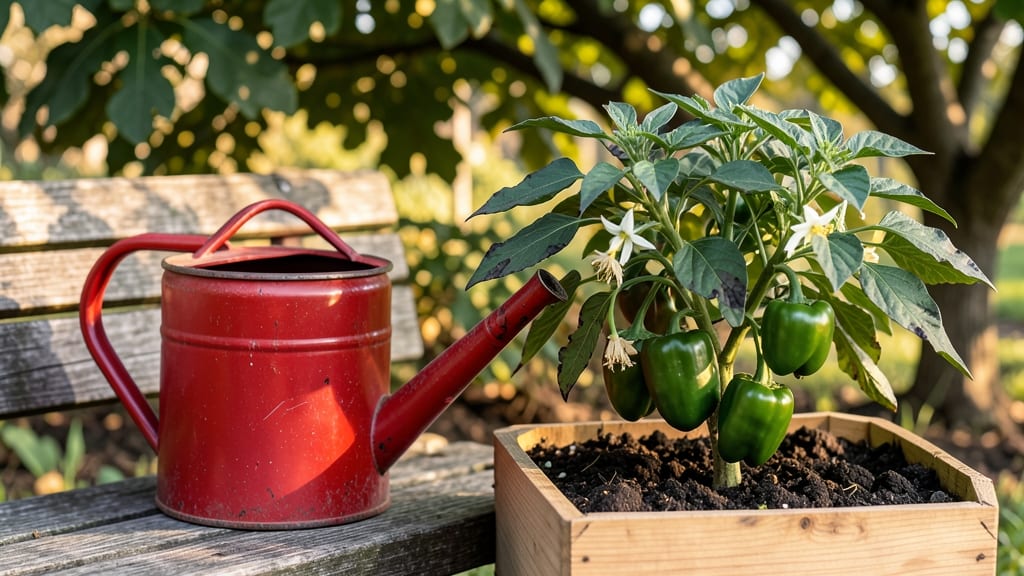
Black leaves on your pepper plants mean one thing: act fast. 🌱 I've seen fungal blight turn thriving plants into sad, spotted messes in just days—until I learned the quick fixes that stop it in its tracks.
The culprit is usually overwatering or poor air circulation, creating the perfect damp conditions for black mold. You'll notice dark spots spreading on leaves, stems, or even fruit. The good news? Catching it early means you can save your plants with simple steps—no expensive treatments needed.
Start by pruning infected leaves immediately (sterilize your pruners with rubbing alcohol first). Then improve airflow by spacing plants 12-18 inches apart and watering only at the base in the morning. Within a week, you'll see new growth pushing through, strong and healthy.
This works for both backyard gardens and container plants. The key is speed—don't wait until the black spreads to the stems. With these steps, your peppers will bounce back faster than you'd expect.
Root Causes Of Darkened Foliage
When your pepper plants start showing black leaves, it’s often a cry for help from the plant itself. Understanding the why behind this issue is the first step to saving your harvest.
Below, we break down the most common culprits—each with a clear scientific explanation and actionable insights to address them.
Black leaves on pepper plants are frequently a sign of root rot, a fungal infection triggered by excess moisture. When soil stays soggy for too long, oxygen can’t reach the roots, creating the perfect breeding ground for harmful pathogens like Phytophthora or Pythium.
These fungi thrive in waterlogged conditions, blocking nutrient uptake and causing leaves to turn black, wilt, or develop mushy stems.
Why it happens:
- Compacted or clay-heavy soil holds water instead of draining it away.
- Overzealous watering (especially without checking soil moisture) keeps roots suffocated.
- Lack of airflow in dense foliage traps humidity, accelerating fungal growth.
💡 Pro Tip: Stick your finger an inch into the soil—if it’s damp, wait before watering. Use containers with drainage holes and a 50/50 mix of potting soil and perlite to improve aeration.
Fungal diseases like early blight (Alternaria solani) or late blight (Phytophthora infestans) are notorious for causing black spots, lesions, or entire leaves to darken and die.
These pathogens spread rapidly in humid, warm conditions (ideal for pepper plants!), entering through wounds, stomata (leaf pores), or even splashing water.
Why it happens:
- High humidity + poor airflow creates a fungal paradise.
- Old or diseased plant debris left in the soil harbors spores.
- Overhead watering spreads spores like a contagion.
🔥 Warning Sign: Look for target-like concentric rings (early blight) or oily, dark patches (late blight) on leaves. If ignored, these can spread to stems and fruit.
Pepper plants are tropical at heart—they hate sudden temperature swings, cold drafts, or frost. Blackened leaves can signal cold damage (when cells rupture from ice crystals) or heat stress (when proteins denature in extreme heat).
Even nighttime temps below 50°F (10°C) can shock the plant, causing leaves to darken and crisp.
Why it happens:
- Drafty locations (near AC vents, doors, or windows) expose plants to sudden cold.
- Inconsistent heat sources (like radiators) create hot-and-cold zones.
- Poor acclimation when moving plants outdoors after indoor growth.
🌡️ Ideal Range: Keep peppers between 70–85°F (21–29°C) during the day and 60–70°F (15–21°C) at night. Use row covers or greenhouse tents for early/late-season protection.
Blackened leaves can also result from over-fertilizing or using harsh chemicals. Excessive salts (from fertilizers like synthetic nitrogen) or misapplied pesticides can burn roots or foliage, causing dark, crispy edges or entire leaves to turn black.
Even tap water with high chlorine or fluoride can accumulate in soil over time, leading to toxicity.
Why it happens:
- Overapplication of nitrogen (common in fast-release fertilizers) disrupts nutrient balance.
- Mixing incompatible products (e.g., fungicides + herbicides) creates toxic reactions.
- Using distilled water exclusively (lacks minerals) throws off soil chemistry.
✨ Fix It: Flush the soil with rainwater or filtered water to leach out excess salts. Switch to organic, slow-release fertilizers (like compost or worm castings) and test soil pH—peppers prefer 6.0–6.8.
🔍 Key Takeaway: Black leaves are rarely a single issue—often, it’s a mix of water, fungi, and environment. Start by inspecting the roots, undersides of leaves, and soil moisture to pinpoint the exact cause. Act fast, and your peppers will bounce back!
Quick Fixes for Pepper Plant Leaf Issues
Reviving your pepper plants from blackened leaves starts with identifying the root cause—whether it’s fungal blight, overwatering, or nutrient stress. Below are practical, step-by-step solutions tailored to each issue, plus preventative tips to keep your plants thriving. 🌱💧
If black spots, yellowing, or wilting leaves are spreading, your pepper plants are likely battling fungal blight. Act fast to stop the spread!
🔥 Step 1: Remove Affected Leaves & Debris
- 👨🍳 Snip off blackened or spotted leaves using sterilized pruners (wipe with rubbing alcohol between cuts).
- 🗑️ Dispose of infected foliage in the trash (not compost)—fungus can survive in soil.
- ✨ Pro Tip: Avoid wetting leaves when watering; aim for the soil base to reduce moisture buildup.
🌡️ Step 2: Adjust Watering Habits
Fungal spores thrive in damp conditions. Prevent overwatering with these tweaks:
- 💧 Water deeply but less frequently—pepper plants prefer 1–1.5 inches of water per week (check soil moisture with your finger; top 1–2 inches should be dry).
- 🌧️ Improve drainage: If pots lack drainage holes, add perlite or sand to the soil mix.
- 🌿 Mulch around the base (2–3 inches of straw or shredded leaves) to keep soil moist but prevent splash-back onto leaves.
🍄 Step 3: Apply Fungicide (Natural or Chemical)
- 💡 Organic Option: Mix 1 tsp baking soda + 1 quart water + a few drops of dish soap (spray on leaves; repeat every 7–10 days).
- 🧪 Chemical Option: Use a copper-based fungicide (like Bordeaux mixture) or neem oil spray (1 tsp neem oil + 1 quart water + ½ tsp mild soap).
- ⏰ Best time to spray: Early morning or late evening when humidity is lower.
🛡️ Prevention for Future Seasons
- 🌱 Rotate crops—don’t plant peppers in the same spot yearly (fungus lingers in soil).
- 🌿 Plant resistant varieties like ‘Aristotle’ or ‘Carmen’ peppers, which tolerate blight better.
- 🌞 Space plants properly (18–24 inches apart) for better airflow, reducing humidity pockets.
Black, mushy leaves or yellowing stems signal root rot from excess moisture. Pepper plants hate soggy roots!
🔪 Step 1: Check the Roots
- 👨🔧 Gently remove the plant from its pot and inspect roots.
- 🟢 Healthy roots are firm and white; 🟡🟣 Rotten roots are black, mushy, or smell foul.
- 💦 If roots are salvageable: Trim away the blackened parts with sterilized scissors, then replant in fresh, well-draining soil.
🏗️ Step 2: Repot in Fresh Soil
- 🪴 Choose a pot with drainage holes (terracotta is ideal).
- 🌱 Use a mix of:
- 60% potting soil
- 20% perlite or vermiculite (for aeration)
- 20% compost or coconut coir (for nutrients)
- ✨ Pro Tip: Add a 1-inch layer of gravel at the pot’s bottom to prevent waterlogging.
💧 Step 3: Adjust Your Watering Routine
- 📊 Wait until the top 1–2 inches of soil are dry before watering again.
- 🌧️ Water slowly until it drains from the bottom (empty the saucer after 10 minutes).
- 🌿 For container plants: Consider a self-watering system or drip irrigation for consistency.
🛡️ Long-Term Drainage Fixes
- 🏡 If gardening in-ground: Amend the soil with sand or compost to improve texture.
- 🌱 Elevate pots on feet or a tray to avoid sitting in water.
- 🌡️ Monitor humidity—pepper plants prefer 40–60% humidity; use a hygrometer if needed.
Blackened leaves can also signal magnesium or calcium deficiencies, often from poor soil health.
💡 Step 1: Test Your Soil
- 📊 Use a soil test kit (available at garden centers) to check pH (6.0–6.8 is ideal for peppers) and nutrient levels.
- 🌱 If deficient, amend soil with:
- 🟢 Magnesium: Epsom salt (1 tbsp per gallon of water, spray foliarly).
- 🟣 Calcium: Crushed eggshells or calcium nitrate (follow package rates).
🍽️ Step 2: Fertilize Properly
- 🌿 Use a balanced fertilizer (10-10-10 or 5-5-5) every 4–6 weeks during growing season.
- ✨ Pro Tip: Avoid over-fertilizing—too much nitrogen causes leaf burn (blackened edges).
- 🥗 For organic options: Compost tea or fish emulsion (diluted to half-strength).
🌱 Step 3: Boost Soil Health
- 🪴 Add worm castings (1 cup per plant) for slow-release nutrients.
- 🌿 Mulch with straw to retain moisture and prevent nutrient loss.
- 🌱 Rotate crops—plant peppers after legumes (like beans) to replenish nitrogen.
🛡️ Prevention Tips
- 🌱 Plant peppers in well-composted soil before the season starts.
- 📅 Fertilize at the right time: Early season (growth) and mid-season (fruit production).
- 🌡️ Avoid cold stress—pepper plants need warm soil (70°F+) to absorb nutrients efficiently.
If your pepper plant is past saving, don’t toss it! Try propagating healthy stems to grow new plants: 1. 🌿 Cut a 4–6 inch stem from a healthy part of the plant (just below a leaf node).
- 💧 Dip in rooting hormone (optional but helpful).
- 🪴 Plant in moist perlite or water until roots form (2–4 weeks).
- 🌱 Transplant once roots are 2 inches long!
Remember: The key to black leaf-free peppers is consistency—check plants weekly for early signs of stress, and act fast to prevent spread. With these fixes, your peppers will bounce back stronger and healthier! 🌿🔥
Frequently asked questions
Why are my pepper plant leaves turning black suddenly?
Black leaves usually signal fungal infections (like early blight) or root rot from overwatering. Check for dark spots, mushy stems, or foul smells—these are key clues. The damp conditions from poor drainage or crowded plants create the perfect environment for these issues.
Can I save my pepper plant if half the leaves are black?
Yes! Start by pruning infected leaves immediately with sterilized scissors. Improve airflow by spacing plants 18-24 inches apart and switch to watering at the base only. Apply a baking soda spray (1 tsp baking soda + 1 quart water) every 7-10 days to fight fungus.
Is it safe to use household items like vinegar to treat black leaves?
White vinegar can help as a natural fungicide when diluted (1 tbsp vinegar + 1 gallon water + 1 tsp dish soap). However, avoid using it on soil—it can lower pH too much. For leaves, spray in early morning and reapply every 3-5 days until new growth appears.
How do I prevent black leaves next growing season?
Focus on prevention: Use well-draining soil mixes (50% potting soil + 50% perlite), space plants properly, and water only in the morning. Rotate crops yearly and choose disease-resistant varieties like 'Aristotle' peppers. Mulch with straw to maintain even moisture.
What's the difference between black leaves from fungus vs. nutrient deficiency?
Fungal issues show as dark spots or patches that spread rapidly, often with yellow halos. Nutrient deficiencies (like magnesium) cause blackened edges or interveinal yellowing that starts on older leaves. Test your soil pH—peppers need 6.0-6.8 for proper nutrient uptake.