Planting
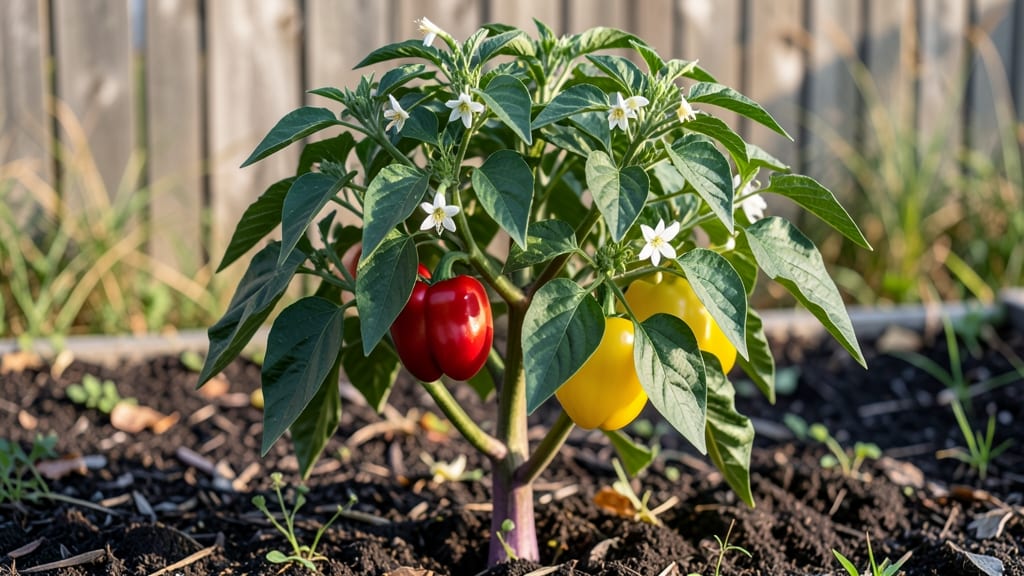
Your pepper plants could reach anywhere from 12 inches to 5 feet tall—depending on the variety and your growing zone. 🌱 I’ve grown everything from compact jalapeños to towering habaneros, and the difference in height isn’t just about space—it’s about sunlight, pruning, and even how you train the stems.
Bell peppers stay short and bushy, while many hot peppers stretch skyward if left unchecked. The key to managing height starts with pruning and staking. Topping the main stem encourages bushier growth, while trellising vertical varieties keeps them off the ground and improves airflow.
In my garden, I’ve seen 3-foot-tall plants double in productivity just by training them upward—no extra work, just smarter growth. You’ll end up with peppers that fit your space and produce more. Compact varieties like ‘Snackable’ peppers thrive in pots, while taller types like ‘Cayenne’ need room to climb.
The right setup means fewer fallen fruits and easier harvesting—plus, you’ll avoid the heartbreak of overcrowded plants. Whether you’re working with a sunny windowsill or a backyard bed, these techniques work. Let’s get your peppers growing the way you want them—tall, short, or somewhere in between.
📚 In This Guide
- What you need
- Instructions
- Tips and common mistakes
- Wrapping up and next steps
What you need
- ● Pepper plants: Choose varieties suited to your USDA hardiness zone (e.g., compact Bell Peppers for Zones 9-11 or tall Jalapeños for Zones 5-10). Start with 3–6 plants (or seeds) for experimentation.
- ● Well-draining potting mix: 10–20 lbs of a blend labeled for vegetables or peppers (e.g., 60% peat/coir, 30% perlite, 10% compost). Avoid garden soil—it’s too dense!
- ● Containers or garden bed: For compact varieties (e.g., Shishito, Cherry Bomb): 5–7 gallon pots (12–18" deep) or raised beds with 12" spacing between plants.
- ● For tall varieties (e.g., Carolina Reaper, Long Hot): 10–15 gallon pots (24"+ depth) or in-ground plots with 18–24" spacing.
- ● Fertilizer: A balanced 10-10-10 or 5-10-10 granular fertilizer (or organic options like fish emulsion). Use 1 tbsp per 1 gallon of soil at planting.
- ○ Support structures (optional but recommended for tall varieties): Cages: 5–6 ft tall tomato cages (or pepper-specific cages).
- ● Trellis: Bamboo stakes + twine or a 6 ft wooden trellis.
- ● Straw or mulch: 2–3 inches to retain moisture and deter weeds.
- ● Watering can or hose: With a gentle spray nozzle to avoid damaging stems.
- ● Growth regulators: For compact varieties, dwarfing hormones (e.g., B-Nine) to limit height to 12–18".
- ● Pruning shears: Sharp, bypass pruners for trimming leggy growth (sterilize with rubbing alcohol!).
- ● pH test kit: Peppers thrive in 6.0–6.8 pH. Adjust with lime (to raise) or sulfur (to lower).
- ● Shade cloth: 30–50% coverage for zones with intense sun (e.g., Zone 10+) to prevent stress.
- ● Grow lights: LED full-spectrum bulbs (12–14 hrs/day) if starting indoors or extending short-season zones.
How to control pepper plant height by variety and climate zone
Pepper plants grow dramatically differently depending on variety and where you live—here’s how to maximize height potential (or keep them compact) in your zone.
🌱 Step 1: Select the Right Variety for Your Height Goals
Tall pepper plants like ‘California Wonder’ or ‘Jupiter’ can easily reach 5-6 feet, while compact varieties such as ‘Snack Pepper’ or ‘Thai Chili’ stay under 2 feet. Dwarf varieties are ideal for containers or small spaces, while standard and tall types need sturdy support. Check your plant tag or seed packet for mature height ranges—this determines your starting point.
Here’s the rule: Hotter peppers tend to be bushier, while sweeter, bell-type peppers often grow taller. For example, ‘Carolina Reaper’ stays compact (around 2 feet), while ‘Anaheim’ stretches toward 4-5 feet. If you’re in Zones 8-10, you can grow peppers year-round, letting them reach their full height potential. In cooler zones (5-7), focus on early-maturing varieties that won’t outgrow their support before frost.
☀️ Step 2: Adjust Light and Temperature for Optimal Growth
Peppers need full sun (6-8 hours daily) to grow tall and strong, but too much heat without proper spacing can stunt them. In Zones 9-10, where temperatures stay above 80°F, peppers grow faster but may become leggy. Use shade cloth (30-50%) during peak afternoon sun to prevent wilting and encourage bushier growth.
If you’re in Zones 5-7, start seeds indoors 8-10 weeks before last frost under grow lights to give them a head start. Once transplanted, use black plastic mulch to warm the soil—peppers won’t thrive until soil reaches 65°F. Cold nights slow growth, so extend the season with row covers or grow them in containers you can move indoors when temps drop below 50°F.
🪴 Step 3: Provide Support and Prune for Desired Height
Tall varieties like ‘Gypsy’ or ‘Numex Big Beef’ need cages, stakes, or trellises to prevent falling. Install supports at transplanting so roots don’t disturb later. For compact varieties, pinch off suckers (the small shoots in the leaf axils) to redirect energy into fruit production instead of height. I prune mine back by one-third when they hit 2 feet to encourage bushier growth.
If your pepper plants are growing too tall too fast, they’re likely overcrowded or nutrient-deficient. Thin seedlings to 12-18 inches apart and side-dress with balanced fertilizer (10-10-10) when flowers appear. For container-grown peppers, use 5-gallon pots—smaller containers restrict root growth and stunt height. Watch for yellowing leaves, a sign of nitrogen deficiency, and adjust fertilizer accordingly.
✂️ Step 4: Harvest Strategically to Manage Height
Regular harvesting keeps plants productive and prevents them from becoming top-heavy. Pick peppers when they’re 75% mature for continuous growth. For tall varieties, prune the top 2-3 inches after the first harvest to stop vertical growth and encourage bushier branches. This works best for bell peppers and jalapeños, which fruit along the stem.
If you’re growing peppers in containers, harvest frequently to prevent the plant from leaning or falling over. For ground-grown peppers, mulch heavily with straw or grass clippings to retain moisture and reduce stress, which can cause sudden height spikes. In Zones 10-11, where peppers grow year-round, prune lightly in late summer to reset growth before winter rains.
⏰ Step 5: Adjust Season Length for Zone-Specific Height Control
In short-season zones (5-7), choose early-maturing varieties like ‘Early Jalapeño’ (matures in 60 days) to avoid stunted growth from cool nights. In long-season zones (8-10), peppers grow taller but may need winter pruning to control height. I’ve found that ‘Poblano’ and ‘Serrano’ varieties handle heat well and keep producing even when pruned back.
For container peppers, limit height by harvesting early and replacing plants mid-season with a new batch. This keeps your space manageable while still yielding fruit. In cooler microclimates, use black plastic mulch to extend the season—peppers won’t grow tall if the soil stays below 60°F. Always monitor leaf color: dark green means healthy growth, while pale or purple leaves signal stress, which can stunt height.
Tips & tricks for perfect pepper plant height Management
These practical strategies will help you fine-tune your pepper plants' growth patterns based on their natural tendencies and your growing conditions.
Variety-Specific Pruning: For tall varieties like 'California Wonder' that reach 5-6 feet, I recommend installing supports at transplanting to prevent root disturbance later. The key is to prune back by one-third when they hit 2 feet—this redirects energy toward fruit production rather than vertical growth. For compact varieties like 'Thai Chili,' focus on pinching off suckers early to maintain their natural bushy form.
Light Management for Zone 9-10: In hotter zones where temperatures stay above 80°F, peppers can become leggy from too much direct sun. Use 30-50% shade cloth during peak afternoon sun to prevent wilting while still providing the required 6-8 hours of sunlight. This simple adjustment creates a more balanced growth pattern without sacrificing height potential.
Container Growth Hacks: When growing peppers in 5-gallon pots, remember that smaller containers naturally restrict height. To maximize production, harvest frequently to prevent top-heavy growth and replace plants mid-season if needed. The secret here is monitoring leaf color—dark green indicates healthy growth, while pale leaves signal stress that can stunt height development.
Pro Tips for Pepper Plant Height
- These practical strategies will help you fine-tune your pepper plants' growth patterns based on their natural tendencies and your growing conditions.
- Variety-Specific Pruning: For tall varieties like 'California Wonder' that reach 5-6 feet, I recommend installing supports at transplanting to prevent root disturbance later.
- Light Management for Zone 9-10: In hotter zones where temperatures stay above 80°F, peppers can become leggy from too much direct sun.
Frequently asked questions
Got questions about managing your pepper plant height? Here are some of the most common concerns—plus straightforward answers to keep your garden thriving!
How do I control the height of my pepper plants?
Use pruning shears to trim excess growth, especially after flowering. Remove suckers (side shoots) to redirect energy to fruit production. For compact varieties, pinch back the top growth early. Pro tip: Prune in the morning to allow wounds to heal faster.
When is the best time to prune pepper plants for height control?
Prune young plants when they’re 12–18 inches tall to encourage bushier growth. For mature plants, prune after harvest or during early flowering. Avoid heavy pruning late in the season—it can stress plants before winter. Pro tip: Never remove more than ⅓ of the plant at once.
Do pepper plants grow taller in hotter climates?
Yes! In warmer zones (like 9–11), peppers often grow taller and faster due to longer growing seasons. In cooler zones (3–5), opt for dwarf or compact varieties (e.g., ‘Snackable’ or ‘Lunchbox’) or use row covers to extend the season. Pro tip: Mulch to retain heat and moisture.
Can I grow tall pepper plants in containers?
Choose large containers (5+ gallons) with drainage and sturdy trellises or cages. Dwarf varieties (like ‘Piquillo’) thrive in pots, while taller types (e.g., ‘Jalapeño’) need deep containers. Pro tip: Use lightweight potting mix to avoid tipping.
Why is my pepper plant growing too tall and leggy?
Leggy growth usually means insufficient light or overcrowding. Move plants to a sunnier spot (6+ hours/day) and thin seedlings. Fertilize with a balanced formula (10-10-10) to boost compactness. Pro tip: Rotate pots weekly for even light exposure.
Are there pepper varieties that stay naturally short?
Yes! Try ‘Shishito’ (2–3 ft), ‘Thai Hot’ (1.5–2 ft), or ‘Cherry Bomb’ (1–2 ft). These compact types are perfect for small spaces or containers. Pro tip: Check seed packets for “bush” or “dwarf” labels.
Wrapping up and next steps
Growing peppers that reach your desired height—whether compact bush varieties or towering giants—boils down to patience, proper care, and zone-smart techniques. 🌱 From selecting the right variety for your climate to mastering pruning and support, every step shapes your harvest’s potential.
Now that you’re armed with zone-specific insights and troubleshooting tips, it’s time to roll up your sleeves and plant!
Ready to watch your pepper plants thrive? Start with one variety—whether it’s a petite jalapeño or a sky-scraping bell pepper—and experiment with the methods that work best for your space. Happy gardening! 🌿