
Picking
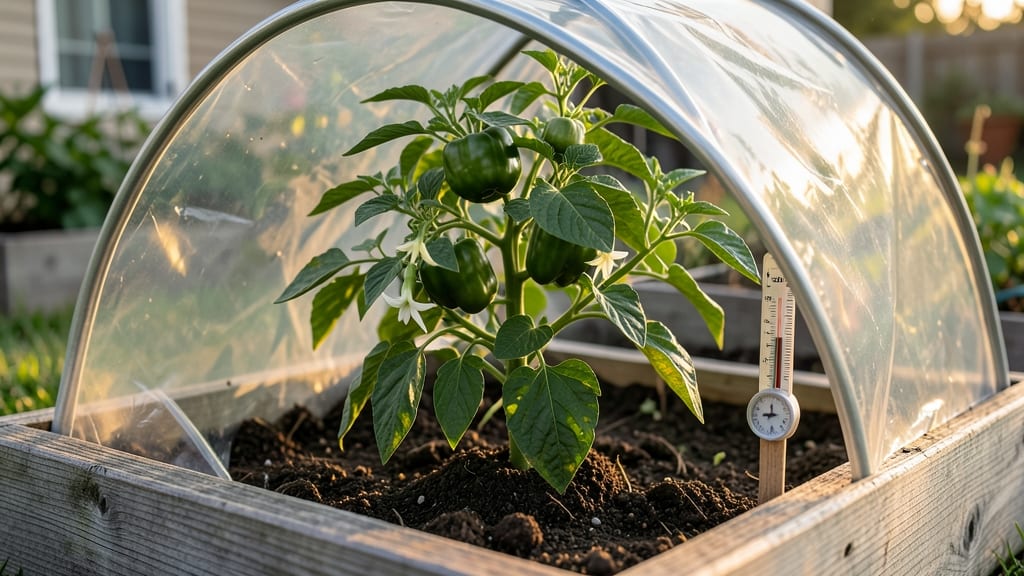
Understanding pepper cold tolerance reveals that most varieties can only endure brief frost exposure before suffering irreversible damage below 32°F. While hardy types like 'Arctic Flame' or 'Carolina Wonder' may survive light freezes, prolonged cold exposure typically kills peppers within 24-48 hours. Plant health and protective measures significantly influence survival rates.
Cold sensitivity in peppers stems from their tropical origins—most varieties simply weren't bred to handle freezing temperatures. 🌱 When frost hits, ice crystals form within plant cells, rupturing delicate membranes and disrupting nutrient flow.
Hardy pepper types have thicker cell walls that resist some damage, but even they'll struggle if temperatures stay low for more than a day. The good news? Proper mulching with straw or leaves can raise soil temperatures by 5-10°F, buying your plants extra survival time during unexpected cold snaps.
For gardeners in marginal climates, emergency frost protection is key. Row covers or even old bedsheets draped over plants can create a 5°F buffer zone—just make sure to secure them tightly so wind doesn't tear them away.
After a frost, inspect plants for blackened leaves or mushy stems before deciding whether to prune back damaged growth. With proper care, some peppers may recover enough to produce a second harvest later in the season.
💡 In This Article
- How Cold Temperatures Affect Pepper Plant Cells
- Protecting Peppers from Frost: Mulching and Covering Methods
How cold temperatures affect pepper plant cells
When temperatures drop below 32°F, pepper plants experience cellular damage through a process called freezing injury. Ice crystals form first in the plant's extracellular spaces, then grow larger as water migrates outward—this creates sharp, jagged formations that physically puncture cell membranes.
In tender pepper varieties, these ruptures release vital cell contents, including enzymes and nutrients, leading to irreversible tissue death within 24-48 hours of continuous exposure.
The damage isn't just physical—cold also triggers metabolic shutdown. Pepper plants, native to warm climates, can't produce enough antifreeze proteins (like those in cold-hardy plants) to protect their systems. At 28°F, photosynthesis halts completely, and cellular respiration slows to a crawl.
Hardy varieties like 'Arctic Flame' have thicker cell walls that delay ice crystal penetration, but even they'll show 20-30% leaf damage after just 6 hours at 25°F.
The key difference lies in their solute concentration—hardy peppers maintain higher sugar levels in their cells, which lowers the freezing point slightly.
Duration matters more than absolute temperature. A 30°F night might cause minimal surface damage, but if it persists for 12+ hours, the cumulative stress will kill the plant.
What most gardeners miss is that peppers suffer secondary damage even after temperatures rise—pathogens exploit the weakened cellular structure, leading to rot. This is why frost-bitten peppers often collapse suddenly days later, even when weather warms up.
Visual signs appear quickly: leaves turn black or develop a water-soaked appearance within hours, while stems may feel mushy when pressed. The damage starts at the leaf edges and progresses inward, creating a V-shaped pattern that's unmistakable.
Unlike cold-hardy vegetables (like kale), peppers lack the ability to regenerate tissue after frost, making prevention the only viable strategy.
Here's how frost duration correlates with survival rates:
- Light frost (30-32°F for 2-4 hours): Surface damage only; hardy varieties may recover with proper care
- Moderate frost (25-29°F for 6-12 hours): 50-70% leaf loss; tender varieties die within 24 hours
- Severe frost (20-24°F for 4+ hours): Cellular rupture in all varieties; death within 12-24 hours
Understanding these mechanisms helps explain why even 1°F differences can mean life or death for your pepper plants—it's not just about the temperature, but how long it lingers and how your specific variety responds.