
Picking
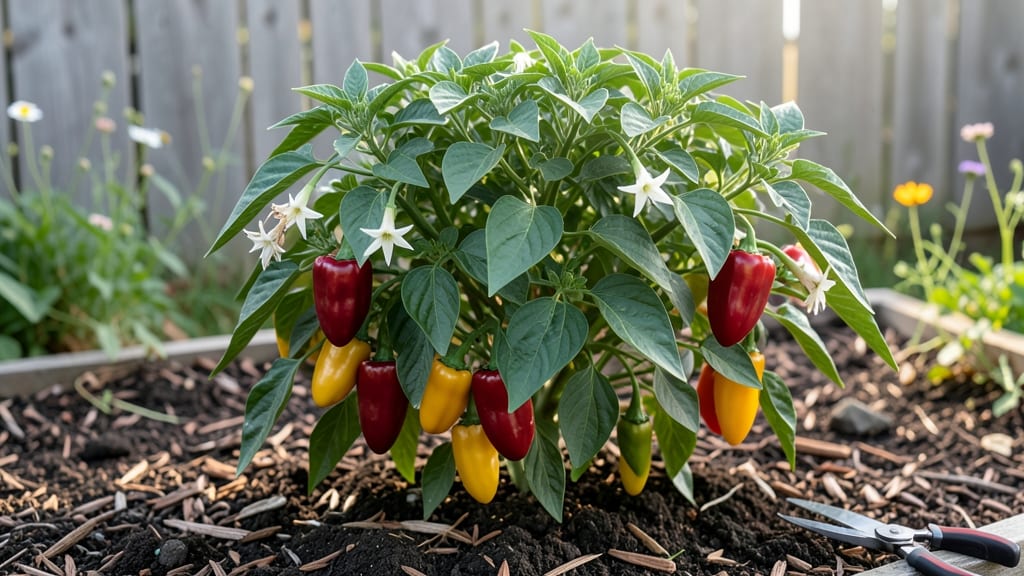
Understanding ornamental pepper Scoville heat reveals a fascinating range from 0 to 10,000 SHU, with sweet varieties like 'Apache' at 0 SHU and mild heat options like 'Jalapeño Ghost' reaching 10,000 SHU. These peppers' heat intensity varies by ripeness, size, and specific cultivar, offering unique flavors for both garden decor and culinary creativity.
The Scoville scale measures capsaicin concentration, but ornamental peppers often have lower heat because they're bred for visual appeal rather than spice intensity. 🌶️ For instance, 'Apache' peppers stay sweet even when ripe, while 'Jalapeño Ghost' delivers a gentle kick that's perfect for garnishes or mild salsas.
What's interesting is how growing conditions—like sunlight exposure and soil nutrients—can subtly influence their final heat levels, even within the same variety.
Many gardeners choose ornamental peppers for their dual-purpose beauty and edibility, but the heat variation means you can pick varieties that match your taste preferences. For example, 'Lipstick' peppers (2,500–5,000 SHU) add a pleasant warmth to dishes without overpowering flavors.
The key is to harvest them at the right stage—some peppers become spicier as they ripen, while others stay consistent.
💡 In This Article
- How Scoville Heat Varies in Ornamental Peppers
- Best Ornamental Pepper Varieties for Gourmet Gardens
How Scoville heat varies in ornamental peppers
The Scoville Heat Unit (SHU) scale quantifies capsaicin concentration, but ornamental peppers often defy expectations. Unlike their fiery counterparts, these beauties are bred for visual appeal, not heat.
The capsaicin content in ornamental peppers is typically low—often below 5,000 SHU—because their genetics prioritize color, shape, and size over spice intensity. For example, the 'Apache' pepper registers at 0 SHU, meaning it’s completely sweet, while 'Jalapeño Ghost' peaks at 10,000 SHU, offering a gentle warmth. 🌿
Ripeness plays a critical role in heat development. Most ornamental peppers, like 'Lipstick' or 'NuMex Twilight,' start mild when green but may develop slight heat as they ripen to red or purple. This shift occurs because capsaicin production increases in response to stress signals, such as ethylene release during ripening.
However, some varieties, like 'Shishito,' remain consistently sweet regardless of ripeness. Growing conditions also matter—peppers grown in cooler climates or with less sunlight may produce less capsaicin, resulting in milder flavors.
Size and maturity further influence heat levels. Larger ornamental peppers, such as 'Black Pearl' or 'Candy Apple,' tend to have lower SHU ratings because their energy is focused on growth rather than capsaicin production. Conversely, smaller or slower-maturing varieties, like 'Jalapeño Ghost,' concentrate their capsaicin more intensely.
This is why a 2-inch 'Lipstick' pepper might pack more heat than a 4-inch 'Apache' pepper, even if both are from the same family. 🌶️
Ornamental peppers differ from traditional hot peppers in their heat distribution. While peppers like habaneros or ghost peppers have capsaicin concentrated in their membranes and seeds, ornamental varieties often spread heat more evenly throughout the flesh.
This makes them ideal for garnishes or dishes where you want subtle warmth without intense burning. For instance, slicing a 5,000 SHU 'Lipstick' pepper into rings adds a pleasant kick to tacos without overwhelming the palate.
Another key factor is the pepper’s genetic lineage. Many ornamental peppers are hybrids or selectively bred for ornamental traits, which can dilute capsaicin genes.
For example, crossing a sweet bell pepper with a mild jalapeño might yield a pepper like 'NuMex Twilight' that stays under 2,500 SHU while retaining vibrant colors.
This breeding process is why some ornamental peppers taste more like tomatoes or citrus than traditional chili peppers, even when they carry a mild heat.
Understanding these variations helps gardeners and chefs choose the right pepper for their needs. If you’re growing ornamental peppers for both beauty and flavor, consider planting a mix of sweet and mildly spicy varieties.
For example, 'Apache' peppers add sweetness to salads, while 'Jalapeño Ghost' slices can elevate salsas or marinades with a gentle heat. The versatility of ornamental peppers lies in their ability to adapt to both culinary and decorative roles—all while keeping the Scoville scale in check. ✨