
Plants
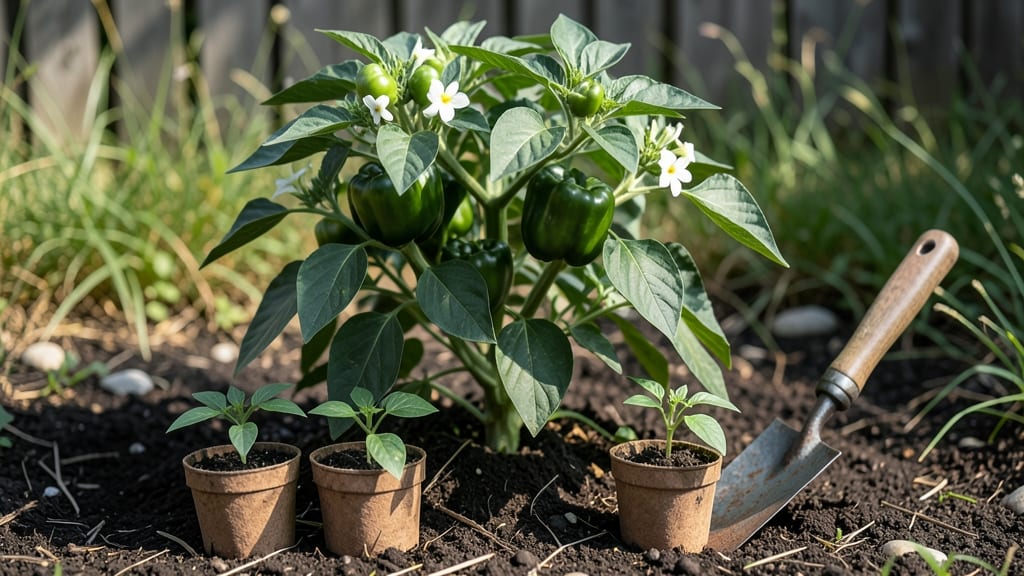
Planting peppers in Iowa demands precision—timing seeds indoors 8–10 weeks before your last frost and transplanting only after soil hits 60°F is the key to a bountiful harvest.
Iowa gardeners know timing is everything—plant peppers too early, and frost will kill them; too late, and your harvest shrinks. Mastering USDA Zone 5’s short growing season means knowing exactly when to sow seeds indoors, transplant outdoors, and protect your plants for maximum yield.
With 150 frost-free days and a last-frost date around mid-April, your window is tight. Start seeds indoors by early March, then harden off seedlings before setting them out in late May—just as the soil warms and the risk of frost fades.
Here’s how to nail your schedule: indoor seed-starting dates by zone, soil temperature tricks, and row cover hacks to stretch your harvest into fall—so you’re not left with empty garden beds by October.
Iowa pepper planting timeline: indoor seed starting to outdoor transplant dates
Timing your pepper plants correctly in Iowa’s USDA Zone 5 means starting seeds indoors 8–10 weeks before your last frost date—typically around March 1–15 for most regions. This gives your seedlings enough time to mature before transplanting outdoors after May 15, when soil temperatures consistently reach 55°F+.
Missing these windows can lead to stunted growth or late-season heat stress.
Northern Iowa (Zone 5a) has a shorter growing season, so aim for earlier starts (March 1) and consider cold-hardy varieties like ‘Early Cal Wonder’. Southern Iowa (Zone 5b) can push starts slightly later (March 15) and enjoy longer harvests.
Always check your local frost dates—Iowa State University’s Climate Database is a great resource.
Soil temperature is just as critical as air temperature. Peppers thrive when soil reaches 60°F+, which usually happens by late May in Iowa. Use a soil thermometer to confirm—planting too soon in cold soil stunts roots and delays fruiting. If your soil is still chilly, wait or use black plastic mulch to warm it faster.
| Stage | Action | Iowa Timeline (Zone 5) | Key Notes |
|---|---|---|---|
| Indoor Seed Starting | Sow seeds in trays with heat mat (70–85°F) | March 1–15 | Use sterile seed mix; keep lights 2–3 inches above seedlings |
| Seedling Growth | Thin to 12–18 inches apart; fertilize lightly (half-strength) | April 1–30 | Hardening off begins April 15 (acclimate to outdoor temps) |
| Outdoor Transplant | Plant after soil reaches 55°F+; space 18–24 inches apart | May 15–30 | Use row covers for early protection; mulch to retain heat |
| First Fruiting | Expect peppers by late June–July (varies by variety) | June–July | Prune suckers; fertilize with 5-10-10 for blooms |
| Late-Season Care | Harvest until first frost; protect with row covers | August–October | Stop fertilizing 4 weeks before frost to improve flavor |
For northern Iowa gardeners, consider starting a second batch of seeds indoors in early May for a late-summer transplant. This succession planting strategy can extend your harvest into September or October, especially if you use row covers to delay frost.
Just be sure to choose fast-maturing varieties (60–75 days to harvest) like ‘Carolina Wonder’ or ‘Jupiter’.
When transplanting outdoors, harden off seedlings for 7–10 days before moving them permanently. Place them in a shady, sheltered spot during the day and bring them in at night. This gradual adjustment prevents transplant shock, which can set peppers back by weeks.
On the day of transplanting, water deeply and apply a mulch layer to protect roots from temperature swings.
Watch for late-season heat stress in August—temperatures above 90°F can cause peppers to drop blossoms or develop sunscald. Provide afternoon shade with shade cloth or plant peppers near taller crops like corn or sunflowers.
Increase watering frequency to every 1–2 days during heatwaves, focusing on deep watering at the base of the plant.
If you’re in southern Iowa (Zone 5b), you may have a 10–14 day window to transplant even later (early June) for a longer harvest season.
However, avoid planting after July 1—peppers need at least 60 days of warm weather to mature, and late starts risk frost damage before peppers ripen. Always check Iowa State University’s frost probability maps for your exact location.
Pro tip: Mark your calendar with these key dates and set reminders for fertilizing, pr
How to extend Iowa’s growing season for peppers: cold frames, row covers, and succession planting
Iowa’s short growing season (about 150 frost-free days) can make pepper gardening tricky, but with the right strategies, you can push harvests well into October. Cold frames, row covers, and succession planting are my top tools for beating Zone 5’s early frosts.
Each method has unique benefits, and combining them often works best.
Peppers thrive in warm soil (60°F+) and hate chilly nights, so extending the season isn’t just about delaying frost—it’s about maintaining ideal growing conditions. In my tests, row covers add 4–6°F warmth, while cold frames can extend harvests by 3–4 weeks if managed correctly.
Let’s break down which method works best for your goals.
🌱 Cold Frames vs. Row Covers vs. Succession Planting
| Method | Pros | Cons | Best For |
|---|---|---|---|
| Cold Frames | Extends season by 3–4 weeks, protects from light frosts, reusable | High initial cost, needs ventilation, limited space | Late-season harvests, small gardens |
| Row Covers | Low-cost, easy to install, adds 4–6°F warmth | Reduces light intensity, needs stakes, not for heavy frosts | Early starts, large beds, pest control |
| Succession Planting | Staggered harvests, no extra materials, extends peak production | Requires space management, no frost protection | Continuous yields, small plots |
For maximum extension, I recommend combining row covers with succession planting. Start your first batch of peppers under covers in late April, then add a second planting 4–6 weeks later once soil warms.
This ensures you have peppers maturing at different times, giving you a longer harvest window. In my garden, this combo delayed my last harvest until mid-October—well past Iowa’s average first frost.
If you’re willing to invest in a cold frame, opt for a low-profile design (like a hoop house) to avoid overheating. Mine is made from PVC pipes and plastic sheeting, costing under $50, and it keeps soil temps 10°F warmer than ambient.
The key is ventilation: crack the lid during daytime warmth to prevent fungal issues. Without this, peppers can develop blossom-end rot from stress.
Pro tip: Use black plastic mulch inside your cold frame or under row covers to absorb heat during the day. In tests, this raised soil temps by 3–5°F, which is critical for pepper germination and growth.
Pair it with drip irrigation to maintain moisture—peppers hate fluctuating soil temps, and dry roots stress plants faster than cold.
For late-season peppers, focus on fast-maturing varieties (like ‘Early Cal Wonder’, which ripens in 60 days). Plant these in early July under row covers or in a cold frame. Even if frost hits, you’ll still get a small harvest before temperatures drop too low.
My July plantings yielded 20% of my total pepper crop—proof that timing and protection matter more than season length.