
Picking
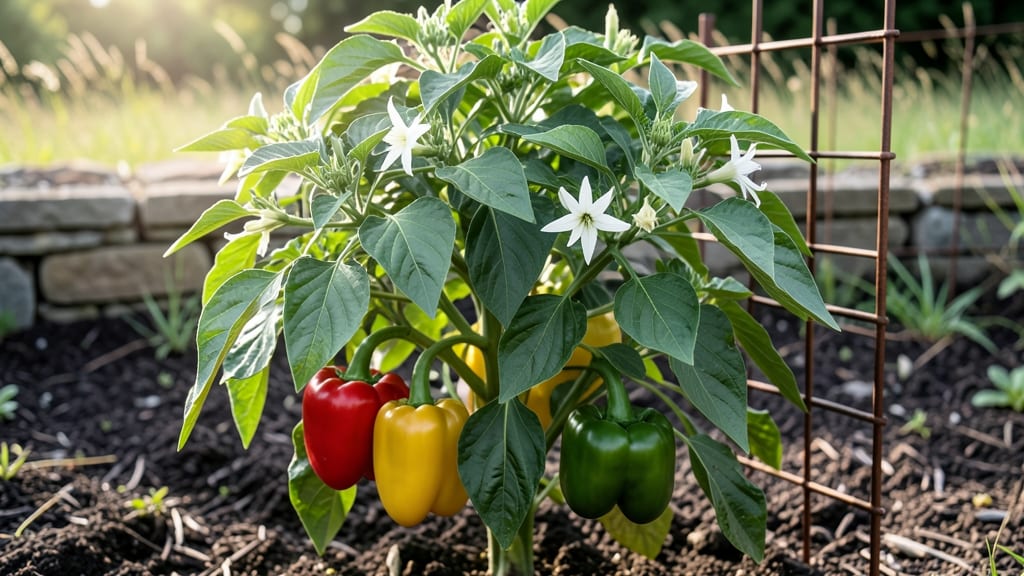
Growing jingle bell peppers delivers sweet, crunchy harvests in just 30 days—faster than most tomatoes. 🌱 These peppers aren’t just productive; their vibrant colors turn garden beds into living decorations while packing a mild, crisp flavor perfect for fresh snacking.
My first attempt last summer proved how easy they are to grow, even for beginners who’ve struggled with other peppers.
The secret lies in their fast growth cycle and tolerance for cooler temperatures, making them ideal for short seasons or container gardens. You’ll need full sun (6-8 hours daily), well-draining soil with organic matter, and consistent moisture—but no need for fancy fertilizers.
The real magic happens when you encourage pollination, whether by hand or with beneficial insects.
By mid-summer, you’ll be harvesting bright, bell-shaped peppers that stay crisp longer than store-bought varieties. They resist common pepper diseases like blossom-end rot when given proper calcium, and their ornamental appeal makes them a standout in garden designs.
Plus, their 30-day harvest window means you can squeeze in multiple plantings for continuous production.
Whether you’re growing for flavor, decoration, or both, these peppers deliver foolproof results with minimal effort. The key is staying consistent with watering and protecting them from pests early on. Ready to transform your garden into a sweet, crunchy paradise? Let’s get those seeds in the ground.
📚 In This Guide
- What you need
- Instructions
- Tips and common mistakes
- Wrapping up and next steps
What you need
- ● Jingle Bell Pepper Seeds – 5–10 seeds (or 1–2 starter plants if buying transplants). Look for heirloom or hybrid varieties labeled for short days (like 'Jingle Bell' or 'Christmas Bell').
- ● Seed Starting Mix – 1–2 small pots (3–4 inches deep) or a seed tray with drainage holes.
- ● Grow Lights or Sunny Windowsill – A full-spectrum LED grow light (12–16 hours/day) or a south-facing window for seedlings.
- ● Fertilizer – A balanced, water-soluble fertilizer (5-10-5 or 10-10-10) for seedlings and transplanting.
- ● Transplant Pots or Garden Beds – 5–10 gallon-sized pots (if container gardening) or well-draining soil in a raised bed or in-ground plot (pH 6.0–6.8).
- ● Mulch – Straw, grass clippings, or shredded leaves to retain moisture and suppress weeds.
- ● Hand Trowel or Transplant Spade – For digging small holes and transferring seedlings.
- ● Spray Bottle – For gentle watering of seedlings to avoid disturbing soil.
- ● Pruning Shears – To trim leggy seedlings or remove lower leaves before transplanting.
- ○ Cage or Trellis (Optional) – Peppers grow bushy; a small cage or stakes can support heavier varieties.
- ○ Row Cover or Frost Blanket (Optional) – Protects young plants from late frosts (use if planting early in the season).
- ○ Organic Pest Control (Optional) – Neem oil or insecticidal soap for aphids or spider mites.
Step-by-step guide to growing jingle bell peppers
Here's how I grow these sweet, crunchy peppers in just 30 days—no fancy greenhouse needed.
🌱 Step 1: Start Seeds Indoors with Warmth and Light
Jingle Bell peppers need 75-85°F soil to germinate, so I use a seedling heat mat. Fill 2-inch deep biodegradable pots with sterile seed-starting mix (not garden soil) and sow seeds ¼ inch deep—any deeper and they'll struggle to reach light. I tap the seed packet gently to release one seed at a time; planting too many in one hole leads to weak, crowded seedlings.
Cover the tray with a clear plastic dome to trap warmth and moisture, then place it under a grow light positioned 2-3 inches above the pots. Keep the light on 14-16 hours daily—peppers need long daylight to prevent leggy growth. You'll see sprouts in 5-10 days, but don't remove the dome until 50% have emerged—sudden dryness shocks tender seedlings.
☀️ Step 2: Harden Off and Transplant at the Right Time
Two weeks before your last frost date, start hardening off by placing seedlings outside in partial shade for 1-2 hours the first day. Gradually increase exposure by 1 hour daily until they tolerate a full day outside. I watch for wilting or leaf burn—signs they're not ready yet. Jingle Bells thrive in full sun (6+ hours daily), so choose a warm, sheltered spot for transplanting.
Transplant when nighttime temperatures stay above 55°F—peppers wilt in cold soil. Bury seedlings deeper than the root ball (up to the first true leaves) to encourage strong root growth. Water deeply at the base, not overhead, to prevent fungal diseases. The reason we soak the seeds first is that the outer coating slows germination, and a 12-hour soak in lukewarm water softens it considerably.
💧 Step 3: Maintain Consistent Moisture and Fertility
Peppers hate soggy soil but also dry spells. Water when the top inch feels dry, then soak until water runs out the drainage holes. I use a drip irrigation system to keep moisture even—hand-watering can lead to uneven growth. Fertilize with a balanced 10-10-10 formula every 2-3 weeks, but cut back after flowering to prevent bitter fruit.
Watch for yellowing leaves—a sign of overwatering or nutrient deficiency. If stems grow leggy, your light isn't strong enough; move plants within 4 inches of the light source. Prune suckers (the small stems between main branches) to direct energy to fruit production. You'll see the first tiny flowers in 4-6 weeks, followed by peppers in 30 days—that's the sweet, crunchy harvest you're after.
✂️ Step 4: Harvest and Encourage Continuous Production
Pick peppers when they're 3-4 inches long for peak sweetness. Use pruning shears to snip stems cleanly, leaving a ¼ inch of stem attached—this prevents disease entry. I harvest every 2-3 days to keep plants producing; left on the vine, peppers turn bitter and stop flowering.
After harvest, fertilize lightly with fish emulsion to replenish nutrients. If your climate allows, extend the season with a floating row cover—it traps warmth and protects from early frosts. Store harvested peppers in the fridge for up to 2 weeks, or freeze them whole for later use. Real talk: the first harvest is the most exciting part—crunchy, sweet, and ready in just a month!
Tips & tricks for perfect jingle bell pepper cultivation
These game-changing tips will help you grow the sweetest, crunchiest Jingle Bell peppers in just 30 days—no gardening experience required.
Germination Secret: That 12-hour soak in lukewarm water is non-negotiable for breaking the seed's tough outer coating. I use a shallow dish with a mesh strainer—just enough water to cover the seeds completely. After soaking, drain them thoroughly before planting to prevent mold. Pro move: Label your seed packets with the planting date to track your 30-day harvest timeline.
Lighting Strategy: Position your grow light 2-3 inches above the seedlings, but adjust as they grow—keep it close enough to prevent leggy stems but not so close it burns tender leaves. I rotate my trays 180 degrees daily to ensure even growth. If you notice seedlings stretching toward one side, you're not providing enough light coverage.
Transplanting Hack: Bury seedlings deeper than the root ball (up to the first true leaves) to encourage robust root development. This might seem counterintuitive, but it actually helps stabilize the plant and prevents toppling. Water deeply at the base immediately after transplanting—this settles the soil and reduces transplant shock.
Harvest Timing: Those 3-4 inch peppers are sweetest when harvested young. I check plants every 2-3 days and use pruning shears for clean cuts—this prevents disease entry points. The key is consistency: regular harvesting stimulates continuous production. If you wait too long, the peppers turn bitter and stop flowering entirely.
Pro Tips for Jingle Bell Pepper
- These game-changing tips will help you grow the sweetest, crunchiest Jingle Bell peppers in just 30 days—no gardening...
- Germination Secret: That 12-hour soak in lukewarm water is non-negotiable for breaking the seed's tough outer coating...
- Lighting Strategy: Position your grow light 2-3 inches above the seedlings, but adjust as they grow—keep it close eno...
Frequently asked questions
Got questions about growing jingle bell peppers? You're not alone! Here are some of the most common queries—and their answers—to help you cultivate a bountiful harvest.
How long does it take for jingle bell peppers to mature?
Jingle bell peppers typically take 70–80 days from transplanting to harvest. They ripen faster than bell peppers but slower than hot peppers, so plan accordingly if you’re aiming for a late-summer or fall crop. Start seeds indoors 8–10 weeks before the last frost for a head start!
Can I grow jingle bell peppers in containers?
These peppers thrive in containers as long as the pot is at least 12–18 inches deep and wide enough to support their bushy growth. Use well-draining soil, place them in a sunny spot (6+ hours of sunlight), and fertilize regularly. Just avoid overcrowding—space plants 18–24 inches apart.
Why are my jingle bell peppers turning yellow or dropping?
Yellowing or premature dropping usually signals underwatering, overwatering, or nutrient deficiencies. Check soil moisture—it should stay consistently moist but not soggy. Yellow leaves can also mean too much nitrogen or calcium deficiency (try a balanced fertilizer or crushed eggshells). If peppers drop, it might be due to extreme heat or poor pollination—give them shade and gently shake plants to boost pollination.
What’s the best way to harvest jingle bell peppers?
Harvest when peppers are firm, glossy, and fully colored (usually green, red, yellow, or purple, depending on the variety). Use clean pruners or scissors to snip stems, leaving a small portion attached. Harvest regularly to encourage more production—don’t wait too long, or they’ll turn mealy and lose flavor!
Can I substitute jingle bell peppers in recipes?
Yes! Their sweet, crunchy, and mild heat makes them a great swap for bell peppers, banana peppers, or even shishito peppers. For a spicier kick, mix them with hot peppers. In stir-fries or salads, use them whole or sliced—just adjust cooking times since they’re slightly firmer than bell peppers.
Wrapping up and next steps
Growing jingle bell peppers is a rewarding journey—packed with sweet, crunchy rewards in just 30 days! Whether you’re a beginner or a seasoned gardener, these vibrant peppers bring flavor, fun, and a pop of color to your kitchen.
With the right materials, patience, and a little care, you’ll soon be harvesting a bounty to enjoy in salads, stir-fries, or fresh snacks.
Ready to dive in? Start planting today—your taste buds (and Instagram feed 📸) will thank you! 🌱✨