
Planting
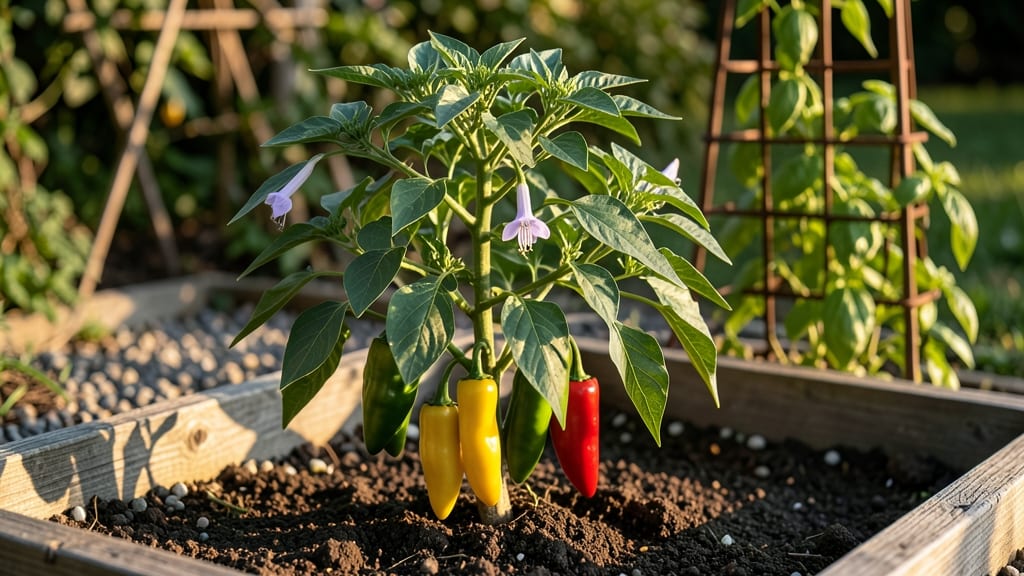
Growing jalapeño pepper plants from seed delivers fiery rewards—and you can harvest your first peppers in just 30 days with the right approach. 🌱 I’ve grown hundreds of plants, and the secret isn’t fancy equipment but timing, heat, and patience.
Start indoors 8-10 weeks before your last frost, and by midsummer, you’ll be snipping peppers straight from the vine.
The magic happens in warm soil and full sun—jalapeños crave 6+ hours of direct light daily and temperatures above 70°F. Use a well-draining potting mix with compost, and keep soil moist but never soggy.
Transplants? Look for sturdy, dark-green plants with no flowers yet—they’ll outpace seeds by 2-3 weeks.
By day 30, you’ll taste your first harvest—bright green, crisp, and packed with heat. Prune suckers early to focus energy on fruit, and fertilize lightly every 2 weeks with a balanced organic feed.
The payoff? A bold, spicy harvest that beats store-bought peppers in flavor and freshness.
Works for containers, raised beds, or in-ground gardens—just ensure good drainage. Here’s how to avoid common pitfalls like blossom-end rot or stunted growth. Let’s get those seeds sprouting!
📚 In This Guide
- What you need
- Instructions
- Tips and common mistakes
- Wrapping up and next steps
What you need
- ● Jalapeño Seeds or Seedlings: 10–20 seeds (if starting from scratch)
- ● OR 3–5 healthy seedlings (for faster results)
- ● Containers or Garden Bed: 5–6 inch deep pots (1 per plant) OR
- ● A well-draining garden bed (full sun, 6+ hours/day)
- ● Potting Mix: 1–2 bags of well-draining, fertile soil (mix in perlite or compost for aeration)
- ● Fertilizer: Balanced 10-10-10 or 5-10-10 fertilizer (follow package instructions)
- ○ Optional: Organic options like fish emulsion or compost tea
- ● Watering Can or Hose: With a gentle spray nozzle (to avoid disturbing seedlings)
- ● Grow Lights (Indoor Growers): 1–2 full-spectrum LED grow lights (12–16 hours/day for seedlings)
- ● Plant Labels: To track varieties (especially if growing multiple types).
- ● Mulch: Straw or shredded leaves to retain moisture.
- ● Pruning Shears: For trimming leggy growth or encouraging bushiness.
- ● Pest Control: Neem oil or insecticidal soap (preventative measure).
- ● Heat Mat (Indoor): To keep soil warm (70–80°F for germination).
Step-by-step instructions for growing jalapeño peppers from seed
Here’s how to coax bold, spicy jalapeños from seed—fast, healthy, and ready to harvest in under a month.
🌱 Step 1: Start Seeds Indoors with Warmth and Humidity
Jalapeños need warmth to germinate, so begin indoors 6-8 weeks before your last frost date. Fill biodegradable seed-starting pots (3-4 inches deep) with sterile seed-starting mix—never garden soil, which can harbor diseases. Moisten the mix until it’s damp like a wrung-out sponge, then press it down lightly to remove air pockets.
Plant 2-3 seeds per pot at a depth of ¼ inch, just below the soil surface. Cover them lightly with mix and mist the surface until evenly damp. Place the pots in a seedling heat mat set to 75-85°F—this ensures 90% germination within 7-14 days. Cover the pots with a clear plastic dome or plastic wrap to trap humidity, but remove it once sprouts appear to prevent mold.
Here’s the thing—jalapeños hate cold soil. If your home runs cooler than 65°F, germination will stall. Keep the heat mat plugged in 24/7 until 50% of seeds sprout, then reduce to 12 hours daily. Watch for first true leaves (the second set after the initial cotyledons)—that’s your cue to harden off seedlings.
☀️ Step 2: Provide Bright Light and Prevent Leggy Growth
Jalapeño seedlings desperately need light to avoid stretching. Move them under a full-spectrum LED grow light within 3-5 days of sprouting, positioning it 2-4 inches above the tallest seedling. They require 14-16 hours of light daily, so set a timer if using natural light. Without enough light, stems grow weak and pale—a classic sign of etiolation—and plants never recover.
Rotate the pots a quarter turn daily so seedlings grow straight, not lopsided. You’ll notice compact, dark green leaves and thick stems when light is perfect. If seedlings touch the light, raise it immediately—burned tips won’t regrow. After 4-6 weeks, when seedlings have 4-5 true leaves, they’re ready to transplant outdoors.
Don’t skip this step. Leggy seedlings (thin, stretched stems) never bounce back—they’ll flop in the garden and produce fewer peppers. I’ve seen gardeners rush this, and their jalapeños ended up half the size because the plants spent energy reaching for light instead of growing roots.
🪴 Step 3: Transplant Outdoors After Hardening Off
Hardening off is non-negotiable for jalapeños—skipping it leads to transplant shock, wilting, and stunted growth. Start 10-14 days before transplanting by placing seedlings outside in a sheltered, shaded spot for 1-2 hours the first day. Gradually increase exposure by 1 hour daily, moving them to morning sun by day 5 and full sun by day 10.
Choose a sunny spot with 6+ hours of direct light and well-draining soil. Jalapeños thrive in sandy loam with a pH of 6.0-7.0. Dig holes twice as wide as the root ball but no deeper—planting too deep buries the stem, causing rot. Space plants 18-24 inches apart in rows 2-3 feet apart to allow airflow and prevent disease.
Water deeply at transplanting to settle the soil, then water at the base only (never overhead) to avoid fungal issues. Mulch with 2-3 inches of straw or grass clippings to retain moisture and suppress weeds. The first few days after transplanting are critical—watch for wilting or yellowing leaves, which signal stress. A quick drink of water usually revives them.
✂️ Step 4: Prune and Fertilize for Maximum Yield
Jalapeños respond dramatically to pruning—pinching off the top set of leaves when the plant reaches 12-18 inches tall encourages bushier growth and more peppers. Use clean, sharp scissors to snip just above a leaf node (the bump where leaves grow). This redirects energy from vertical growth to fruit production. Real talk: I’ve seen unpruned jalapeño plants produce 50% fewer peppers because they’re all leggy and sparse.
Fertilize every 3-4 weeks with a balanced, organic fertilizer (like 5-5-5) once flowers appear. Jalapeños are heavy feeders, but too much nitrogen leads to leafy growth at the expense of peppers. Look for dark green leaves with few flowers—that’s your sign to cut back on nitrogen and add phosphorus (the middle number) to boost flowering. Hand-pollinate on dry, sunny mornings by gently shaking plants to encourage fruit set.
Watch for peppers turning red—that’s your harvest window. Pick them when firm and green for classic jalapeño heat, or wait until red for a sweeter, milder flavor. The more you harvest, the more the plant produces. I’ve had jalapeños still fruiting into October in warm climates—just keep pruning and fertilizing!
Tips & tricks for growing bold jalapeño peppers
Common pitfalls—and how to sidestep every one—when growing your own fiery jalapeños from seed.
Germination Strategy: If your home runs cooler than 65°F, don't let the heat mat become your only heat source. Place pots on top of a refrigerator or near a sunny window during the day to supplement warmth. I learned this the hard way after watching seeds sit for weeks without sprouting—just a few extra degrees can make the difference between 7 and 14 days of germination time. The goal is consistent warmth around 75-85°F for those first critical days.
Lighting Hack: During the 14-16 hours of daily light required, position your grow light so it's just 2-4 inches above the tallest seedling. If you notice seedlings stretching toward the light (a sign of etiolation), raise the light immediately. I keep a small ruler nearby to adjust the height—this prevents those sad, leggy seedlings that never recover. Remember, compact growth means stronger stems and more pepper production.
Transplanting Wisdom: When hardening off seedlings over 10-14 days, start with just 1-2 hours in a sheltered spot. Gradually increase exposure by 1 hour daily, but watch for sudden weather changes. If frost is forecasted, cover seedlings with a lightweight cloth overnight. The first few days after transplanting are most critical—keep an eye out for wilting or yellowing leaves, which signal transplant shock. A quick drink of water usually revives them.
Pruning Payoff: When your jalapeños reach 12-18 inches tall, don't hesitate to prune the top set of leaves. This might seem counterintuitive, but it encourages bushier growth and more peppers. Use clean, sharp scissors to snip just above a leaf node—this redirects energy from vertical growth to fruit production. I've seen unpruned plants produce 50% fewer peppers because they're all leggy and sparse.
Pro Tips for Jalepeno Pepper Plant
- Common pitfalls—and how to sidestep every one—when growing your own fiery jalapeños from seed.
- Germination Strategy: If your home runs cooler than 65°F, don't let the heat mat become your only heat source.
- Lighting Hack: During the 14-16 hours of daily light required, position your grow light so it's just 2-4 inches above the tallest seedling.
Frequently asked questions
Got questions about growing your own jalapeño pepper plants? You’re not alone!
Here are some of the most common queries—plus quick, actionable answers to help you crush your spicy harvest in just 30 days.
How long does it take for a jalapeño pepper plant to produce fruit?
With the right care, jalapeño plants can start producing peppers in 60–75 days from transplanting (or 90–120 days from seed). If you’re using fast-maturing varieties (like ‘Early Jalapeño’), you might see peppers in as little as 50–60 days! Patience pays off—keep them warm, fed, and happy.
Can I grow jalapeños indoors, and what’s the best setup?
Jalapeños thrive indoors with 6–8 hours of sunlight daily (use grow lights if natural light is weak). A 5–10 gallon pot with drainage holes and well-draining soil works best. Keep temps between 70–85°F and fertilize every 2–3 weeks. Pro tip: Rotate the pot weekly for even growth!
Why aren’t my jalapeño plants flowering or fruiting?
Lack of flowers or peppers usually means one of three things: not enough sun (they need 6+ hours daily), cool temps (below 60°F stalls growth), or poor nutrition (add a balanced fertilizer like 10-10-10). If your plant is leggy, it’s stretching for light—move it closer to a sunny window or lamp!
What can I do with jalapeño peppers if my plant produces too many?
Too many jalapeños? No problem! Freeze them (raw or pickled) for salsas, dry or roast for snacks, or make hot sauce. Share extras with neighbors or preserve them in oil/vinegar. Bonus: Pickling jars make great gifts! Plus, pruning the plant encourages more fruit—win-win.
How do I keep pests off my jalapeño plants?
Common pests like aphids or spider mites? Spray with neem oil or insecticidal soap (early morning/evening). For prevention, water at the base (not leaves), use mulch to deter ants, and inspect plants weekly. If you spot holes in leaves, handpick larger pests like hornworms.
Wrapping up and next steps
Growing a jalapeño pepper plant in just 30 days is totally doable—even for beginners!
With the right soil, sunlight, and a little patience, you’ll be harvesting fiery peppers in no time. 🌱✨ Whether you’re spicing up your salsa, pickles, or homemade hot sauce, your homegrown jalapeños will add a fresh, bold flavor to your dishes.
Ready to take the next step? Start by planting your seeds this week and keep an eye on those spicy little wonders. Soon, you’ll be reaping the rewards of your green thumb—and maybe even sharing your harvest with friends! 🔥🌶️