
Propagation
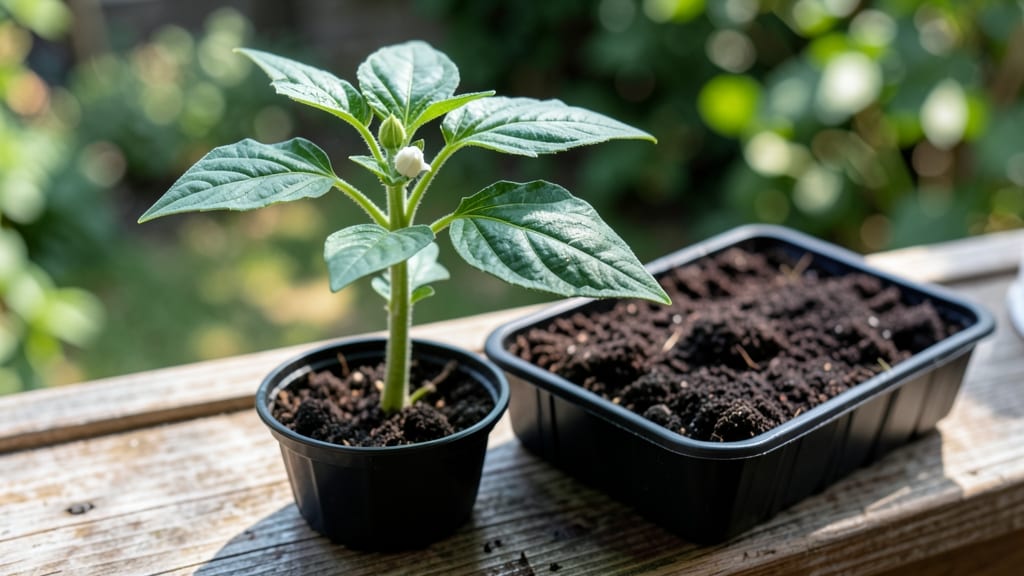
Growing black pepper from seed unlocks a fragrant, climbing vine that thrives indoors—just like the spice you love. 🌿 The key is mimicking its tropical roots: warmth, humidity, and patience.
My first attempt took three months to germinate, but now I harvest fresh peppercorns from vines that climb my kitchen windowsill. You’ll need a humid propagator or plastic bag setup, well-draining soil mix, and a warm spot (70-80°F).
Pepper seeds are tiny—plant them just ¼-inch deep—and keep them consistently moist but never soggy. Without proper humidity, they’ll sit dormant for weeks, if they sprout at all. Once germinated, expect slow but steady growth—think vines, not instant harvests.
Your plant will need strong support (like a trellis) and bright, indirect light to reach its full height. By year two, you’ll have clusters of tiny green berries that turn into the black peppercorns you know.
This vine handles indoor life beautifully in temperate climates, but watch for spider mites—dry air is their favorite breeding ground. With the right care, you’ll transform a kitchen corner into a spice-producing powerhouse.
📚 In This Guide
- What you need
- Instructions
- Tips and common mistakes
- Wrapping up and next steps
What you need
- ● Black pepper seeds: 5–10 fresh, high-quality seeds (ensure they’re viable—soak in warm water for 24 hours to test).
- ● Seed-starting mix: 1–2 cups of well-draining, peat-based or coconut coir mix (avoid garden soil—it’s too dense!).
- ● Small pots or seed trays: 2–4 biodegradable pots (3–4 inches wide) or a shallow tray with drainage holes.
- ● Grow lights or sunny window: A full-spectrum LED grow light (12–16 hours/day) or a south-facing window (if in a warm climate).
- ● Humidity dome or plastic wrap: To retain moisture while seeds germinate.
- ● Spray bottle: For gentle watering (avoid soaking the soil!).
- ● Fertilizer: A balanced, water-soluble fertilizer (5-5-5 or 10-10-10) for seedlings (dilute to half-strength).
- ● Trellis or support: A bamboo stake, wire mesh, or small cage (for when vines reach 12+ inches).
- ● Soil moisture meter (to monitor humidity levels).
- ● Heating mat (speeds up germination in cool climates).
- ● Pruning shears (for trimming leggy growth).
- ● pH test kit (ideal soil pH: 5.5–6.8 for black pepper).
- ● Compost or worm castings (for nutrient-rich soil).
Step-by-step instructions for growing black pepper plants from seed
Here’s how to coax these slow-growing tropical vines into thriving indoor plants with patience and precision.
🌱 Step 1: Soak and Plant the Seeds for Best Germination
Black pepper seeds have a tough outer shell, so I always soak them in warm water for 24 hours first. This softens the seed coat and speeds up germination. Place them in a small bowl of water, cover, and let them sit at 75-80°F overnight.
After soaking, fill a 4-inch pot with a well-draining mix of 50% peat moss and 50% perlite. Plant seeds ½ inch deep, two per pot, since germination rates are low. Cover lightly with a thin layer of the mix—don’t press down, just pat gently to avoid burying them too deeply.
💧 Step 2: Maintain Warmth and Humidity for Germination
Black pepper seeds need consistent warmth to germinate. I place the pots on a seedling heat mat set to 80°F and cover them with plastic wrap to retain moisture. Keep the soil damp (not soggy) by misting lightly every 2-3 days—you’ll know it’s right when the surface stays slightly damp but doesn’t pool.
Germination takes 3-6 weeks, so patience is key. Don’t disturb the soil or move the pots during this time. Once you see the first tiny sprouts, remove the plastic wrap immediately to prevent fungal growth. The seedlings are delicate—watch for yellowing leaves, which means too much moisture.
☀️ Step 3: Provide Bright, Indirect Light and Gradual Transplanting
When seedlings have 2-3 true leaves (not just the initial cotyledons), it’s time to move them. I transplant them into 6-inch pots with the same peat-perlite mix, burying the stem up to the first set of leaves. This encourages stronger root growth.
Place the pots under bright, indirect light—a south-facing window works, but avoid direct sun at first. If your home is dim, supplement with a grow light for 12-14 hours daily. Leggy growth (thin, stretched stems) means more light is needed. Rotate the pots weekly so the vines grow evenly toward the light source.
🪴 Step 4: Train the Vine and Support Its Growth
Black pepper plants are vining climbers, so I install a 5-foot trellis or bamboo stake near the pot as soon as the seedlings are established. Gently tie the main stem to the support with soft twine when it reaches 6 inches tall. This prevents the vine from flopping and encourages upward growth.
Once the vine reaches the top of the trellis, trim the tip to promote bushier growth. Prune any leggy or weak stems back to a strong leaf node. By 6-8 months, you’ll see small white flowers—this is your cue that the plant is maturing. Keep the soil consistently moist but never waterlogged; pepper plants hate soggy roots.
⏰ Step 5: Care for Mature Plants and Encourage Pepper Production
Mature black pepper plants need high humidity (60-70%) and warm temperatures (70-85°F). If your home is dry, place a tray of water near the plant or use a humidifier. Fertilize every 4-6 weeks with a balanced liquid fertilizer (10-10-10) diluted to half strength during the growing season.
Patience is critical—black pepper plants from seed may take 2-3 years to produce fruit. When flowers appear, hand-pollinate them by gently shaking the trellis to release pollen. Small green peppers will form, turning red when ripe. Harvest them when fully red for the classic black pepper flavor, or leave them to dry on the vine for a milder taste.
Tips & tricks for growing black pepper plants from seed
Here's what nobody tells you about nurturing these finicky tropical vines into productive plants.
Soaking Strategy: The 24-hour soak in warm water is non-negotiable—this critical step breaks down the tough seed coat that would otherwise block germination. I use a small bowl with just enough water to cover the seeds, then place it in a warm spot like on top of the fridge. The water should stay between 75-80°F the entire time; if your kitchen runs cold, consider using a seedling heat mat underneath the bowl. Pro tip: Swirl the seeds occasionally to prevent them from sticking to the bottom.
Germination Environment: Black pepper seeds are fussy about their growing conditions, and the 3-6 week germination window can feel like an eternity. That's why I double down on warmth and humidity: place your pots on a seedling heat mat set to exactly 80°F (no higher!) and cover with plastic wrap. The key is maintaining that delicate balance—soil should stay damp but never soggy. I find using a spray bottle helps distribute moisture evenly without disturbing the seeds. Once sprouts appear, remove the plastic immediately to prevent fungal issues.
Lighting Transition: When your seedlings develop 2-3 true leaves, you'll need to move them to brighter conditions. I recommend starting with bright, indirect light rather than direct sun, which can scorch tender leaves. If your home lacks natural light, supplement with a grow light for 12-14 hours daily. Watch for leggy growth (thin, stretched stems) as your first sign that more light is needed. I rotate my pots weekly to ensure even growth toward the light source—this prevents the plants from growing lopsided.
Support System: Installing a 5-foot trellis or bamboo stake as soon as seedlings are established prevents future headaches. Black pepper vines grow aggressively upward, and without support, they'll flop over and become tangled. I use soft twine to gently tie the main stem when it reaches 6 inches tall, being careful not to damage the delicate stem. This upward training encourages stronger root development and better air circulation around the leaves, reducing disease risk.
Pro Tips for Grow Black Pepper From Seed
- Here's what nobody tells you about nurturing these finicky tropical vines into productive plants.
- Soaking Strategy: The 24-hour soak in warm water is non-negotiable—this critical step breaks down the tough seed coat...
- Germination Environment: Black pepper seeds are fussy about their growing conditions, and the 3-6 week germination wi...
Frequently asked questions
Got questions about growing black pepper from seed? You’re not alone—this tropical vine can be tricky for beginners! Here are answers to the most common queries to help you grow like a pro.
How long does it take for black pepper seeds to germinate?
Patience is key! Black pepper seeds typically take 2–4 weeks to germinate, especially in warm, humid conditions (75–85°F). Keep the soil consistently moist and avoid overwatering—dampness speeds up the process. If nothing sprouts after a month, check seed viability or try a fresh batch.
Can I grow black pepper indoors in cold climates?
Black pepper thrives indoors with bright, indirect light (like a south-facing window) and humidity levels above 60%. Use a humidifier or place the pot on a pebble tray. If temps drop below 60°F, move it near a warm spot or use a grow light to mimic tropical conditions.
Why are my black pepper seedlings turning yellow or wilting?
Yellowing leaves or wilting often signals overwatering, underwatering, or poor drainage. Black pepper plants hate soggy roots—let the top inch of soil dry out between waterings. Yellowing lower leaves can also indicate nutrient deficiency; fertilize lightly with a balanced liquid fertilizer every 4–6 weeks once established.
When will my black pepper plant produce peppers?
Don’t rush it! Indoor-grown black pepper plants may take 2–3 years to mature and produce peppers, while outdoor plants in tropical climates can flower in 1–2 years. Prune regularly to encourage bushier growth, and ensure it gets at least 6–8 hours of sunlight daily (or grow lights) to trigger flowering.
What’s the difference between black pepper seeds and green peppercorns?
Black pepper seeds are the dried, fermented berries of the Piper nigrum plant, while green peppercorns are harvested unripe and preserved in brine or vinegar. For growing, use black pepper seeds—they’re the true plant source. Green peppercorns are a processed product and won’t sprout.
Wrapping up and next steps
Growing black pepper from seed is a rewarding journey that brings a touch of the tropics into your home—literally! With patience, the right conditions, and a little care, you’ll soon be harvesting your own spicy, aromatic peppers to elevate dishes or share with fellow gardeners. 🌱✨
Now that you’re equipped with the knowledge, why not take the next step? Start with just a few seeds, experiment with containers, and let your green thumb flourish.
Before you know it, you’ll be enjoying the satisfaction of homegrown black pepper—and maybe even sharing cuttings with friends! Happy growing! 🌿🔥