
Picking
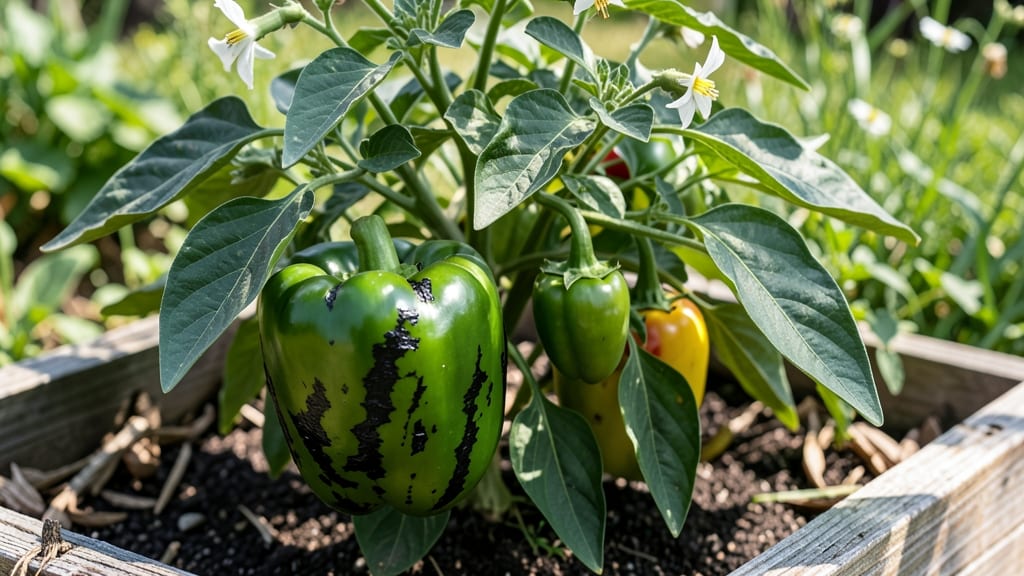
Black streaks on peppers don’t mean your harvest is ruined—just that your plants need a quick, simple intervention. 🌶️ I’ve saved multiple seasons of peppers from this exact problem, and the fix starts with identifying whether it’s fungal (like anthracnose), bacterial, or just stress-related.
The key is acting fast—before the streaks spread to the fruit. Most gardeners panic when they see those dark lines, but the good news is that 90% of cases respond to basic treatments.
Start by pruning infected leaves (don’t compost them!) and applying a copper fungicide or homemade baking soda spray. For bacterial spots, a mix of water, soap, and copper works best—just spray every 7–10 days until new growth appears.
Within 2–3 weeks, you’ll see fresh, healthy leaves pushing out, and the existing fruit will stop developing new streaks. The plants might look rough at first, but with consistent care, they bounce back stronger than ever.
Your next harvest will be even better if you focus on prevention next season. This method works for bell peppers, jalapeños, and tomatoes too, so bookmark these steps for future reference. Early action is everything—don’t let a few streaks turn into a full-blown crisis.
Root Causes of Pepper Discoloration
Black streaks on your peppers aren’t just an eyesore—they’re often a sign of underlying stress or disease. Understanding the why behind these dark marks is the first step to saving your crop. Below, we break down the most common culprits, backed by science, so you can take targeted action.
Peppers are heat-loving plants, but too much direct sunlight—especially during extreme heatwaves—can cause sun scorch. When temperatures soar above 90°F (32°C), the pepper’s waxy cuticle (its natural protective layer) can overheat, leading to localized cell damage.
This damage triggers a defensive response: the pepper produces melanin, a dark pigment that appears as black streaks or patches.
Why it happens:
- Oxidative stress: High UV exposure generates reactive oxygen species (ROS) in plant cells, damaging membranes and proteins.
- Water loss: Intense heat accelerates transpiration, causing cells to dry out and die.
- Photosynthesis shutdown: Chloroplasts in pepper skin overheat, halting energy production and turning cells necrotic (dead).
Actionable fix: Provide afternoon shade (e.g., shade cloth) during peak heat or mulch heavily to retain soil moisture.
Peppers hate soggy roots. When soil stays waterlogged—whether from overzealous watering, compacted soil, or poor drainage—oxygen is cut off to the roots. This triggers anaerobic conditions, where harmful bacteria and fungi (like Phytophthora) thrive.
The infection spreads upward, causing black streaks as the plant’s vascular system clogs with toxins.
Why it happens:
- Root rot: Fungi like Pythium or Fusarium release enzymes that break down cell walls, creating dark, water-soaked lesions.
- Nutrient imbalance: Waterlogged soil leaches nitrogen and phosphorus, starving peppers and weakening their immune response.
- Toxin buildup: Anaerobic bacteria produce ethylene gas, which accelerates cell death and darkening.
Actionable fix: Test soil moisture with your finger—water only when the top 1–2 inches are dry. Amend heavy clay soil with perlite or compost to improve aeration.
Black streaks are often a red flag for fungal pathogens, particularly in humid conditions. Two common offenders are Alternaria (early blight) and Colletotrichum (anthracnose), which exploit wounds (like insect bites or hail damage) to invade pepper tissues.
Why it happens:
| Fungus | How It Infects | Tell-Tale Signs |
|---|---|---|
| Alternaria solani (Early Blight) | Spores land on leaves/stems, germinate in wet conditions, and penetrate through stomata (pores). | Concentric black rings on leaves; streaks on fruit near stem attachment. |
| Colletotrichum (Anthracnose) | Infects through wounds; thrives in temps 77–86°F (25–30°C) with high humidity. | Sunken, greasy black lesions that ooze in wet weather. |
Actionable fix: Remove infected plant debris immediately and apply a copper fungicide (e.g., Bordeaux mix) every 7–10 days during rainy seasons.
Insects like aphids, thrips, and hornworms don’t just chew peppers—they create entry points for pathogens. When pests feed, they:
- Inject saliva containing bacteria (e.g., Pseudomonas).
- Tear plant tissue, exposing it to fungal spores in the air.
- Spread viral diseases (e.g., Tobacco Mosaic Virus), which can cause blackening as a secondary symptom.
Why it happens:
The physical trauma from feeding disrupts the pepper’s cuticle barrier, allowing water and microbes to seep into damaged cells. The plant’s immune system reacts by sealing off the area with melanin—hence the streaks.
Actionable fix: Use neem oil or insecticidal soap to deter pests, and hand-pick larger insects (like hornworms) daily.
Black streaks can also signal a mineral deficiency, particularly:
- Calcium: Peppers need calcium to maintain cell wall integrity. A deficiency causes blossom end rot (blackening at the fruit’s base) and streaks along veins.
- Magnesium: Critical for chlorophyll production. Low levels lead to interveinal chlorosis (yellowing between veins) that progresses to blackening.
- Boron: A micronutrient that regulates cell division. Without it, peppers develop black, cracked streaks due to abnormal growth.
Why it happens:
Deficiencies disrupt enzyme activity in pepper cells, leading to:
- Oxidative damage from unchecked free radicals.
- Cell wall collapse, exposing tissues to pathogens.
- Accumulation of phenolic compounds (natural plant toxins) that darken affected areas.
Actionable fix: Apply calcium nitrate (for calcium) or Epsom salt (for magnesium) to soil, following package rates. For boron, use borax (1 tsp per gallon of water, sprayed foliarly).
Fixing Black Streaks Fast
Black streaks on your peppers aren’t just unsightly—they can spread quickly if left unchecked. The good news? Most causes have simple, actionable fixes. Below, we’ve mapped the most common culprits to targeted solutions, plus prevention tips to keep your peppers looking fresh and healthy.
---
If the streaks are fuzzy, black, or spreading like a web, you’re likely dealing with a fungal infection. Don’t panic—isolate the pepper immediately to prevent cross-contamination.
#### 🔥 Step 1: Remove the Infected Pepper - 👨🍳 Snip or pluck the affected pepper (don’t compost it—throw it in the trash). - ⏰ Time-sensitive: If other peppers are nearby, inspect them closely. Remove any with discoloration or spots.
#### 🍳 Step 2: Clean the Plant & Surroundings - 🧼 Wipe down the plant’s leaves, stems, and fruit with a 1:10 bleach-water solution (1 part bleach to 10 parts water).
Use a soft cloth or sponge. - 🌿 Sterilize tools: Disinfect pruners, gloves, and containers with rubbing alcohol (70% or higher). - 💨 Improve airflow: Thin out crowded foliage to reduce humidity pockets where fungi thrive.
#### 🌡️ Step 3: Treat with Fungicide - 💡 Organic option: Spray the plant (and soil) with a copper fungicide or neem oil solution (1 tbsp neem oil + 1 tsp mild soap per quart of water).
Reapply every 7–10 days. - 🎯 Chemical option: For severe cases, use a fungicide labeled for anthracnose (e.g., chlorothalonil). Follow label instructions precisely.
#### ✨ Prevention Tips - 🌧️ Water wisely: Avoid overhead watering—use drip irrigation or water at the base early in the day so leaves dry quickly. - 🌿 Space plants: Ensure 12–18 inches between peppers for airflow. - 🍃 Rotate crops: Don’t plant peppers in the same spot year after year—fungi linger in the soil.
---
Black streaks from bumps or cuts are usually harmless but can invite rot. Here’s how to clean up and protect your peppers:
#### 🍳 Step 1: Inspect & Trim - 🔪 Snip off any severely damaged areas with sterilized scissors. - 🧼 Clean cuts: Lightly brush the area with a saltwater rinse (1 tsp salt per cup of water) to disinfect.
#### 🌡️ Step 2: Protect from Further Harm - 🛡️ Use row covers if birds or pests are causing damage. - 🥗 Handle gently: Avoid rough picking—grasp peppers by the stem, not the fruit.
#### ✨ Prevention Tips - 🌿 Mulch carefully: Use straw or grass clippings, but keep it 2–3 inches away from stems to prevent rot. - 🍅 Harvest promptly: Pick peppers when firm to avoid overripening and softening.
---
Soggy soil or waterlogged roots can cause black streaks from root rot or blossom-end rot (BER). Fix it fast:
#### 💧 Step 1: Adjust Watering Habits - 🚰 Water deeply but less often: Aim for 1–1.5 inches per week (including rain).
Let the top 1–2 inches of soil dry out between waterings. - 🌱 Check drainage: If your pot or garden bed has no drainage holes, add perlite or sand to improve airflow.
#### 🍅 Step 2: Amend Soil (If Needed) - 🌿 Test soil pH: Peppers prefer 6.0–6.8. Adjust with lime (to raise pH) or sulfur (to lower it). - 💡 Boost calcium: If BER is suspected, add crushed eggshells or calcium nitrate to the soil.
#### ✨ Prevention Tips - 🌧️ Use containers with drainage: If growing in pots, ensure they have holes at the bottom. - 🌱 Monitor moisture: Stick your finger in the soil—if it’s damp past 1 inch, hold off on watering.
--- If you’re unsure whether the streaks are fungal, bacterial, or just cosmetic, isolate the plant for 3–5 days. Watch for spread—if it worsens, act fast with fungicide. Prevention is always easier than cure! 🌱
Frequently asked questions
Are black streaks on peppers always a sign of disease?
Not always! While fungal or bacterial infections are common causes, black streaks can also result from physical damage (like hail or rough handling) or environmental stress such as sun scorch or extreme heat. Check for other symptoms: fuzzy growth suggests fungus, while crispy edges often indicate heat damage.
Can I still eat peppers with black streaks?
It depends! If the streaks are from fungal infections (like anthracnose), avoid eating the affected fruit to prevent illness. However, if the streaks are minor and caused by physical damage or sun scorch, the pepper is usually safe to eat—just cut off the discolored parts. When in doubt, toss it.
How do I tell if black streaks are from overwatering vs. disease?
Overwatering causes waterlogged soil and root rot, which often leads to black streaks on the stem or base of the fruit. Look for yellowing leaves, mushy stems, or a foul smell from the soil. Disease-related streaks usually appear on leaves or fruit surfaces and may spread rapidly. Test soil moisture—if it’s soggy, it’s likely overwatering.
Will baking soda really help with black streaks?
Yes! A baking soda spray (1 tsp baking soda + 1 quart water + a few drops of soap) can help prevent fungal infections that cause black streaks. It works by raising the pH on leaf surfaces, making it harder for pathogens to thrive. Spray every 7–10 days during humid weather, but avoid overusing it—too much can harm plants.
Can black streaks spread to other plants in my garden?
Fungal and bacterial infections that cause black streaks are highly contagious. Isolate infected plants immediately, remove all affected leaves/fruit, and sterilize tools with rubbing alcohol. Avoid composting infected plant material—throw it in the trash instead. Keep healthy plants well-spaced for airflow to prevent spread.