
Propagation
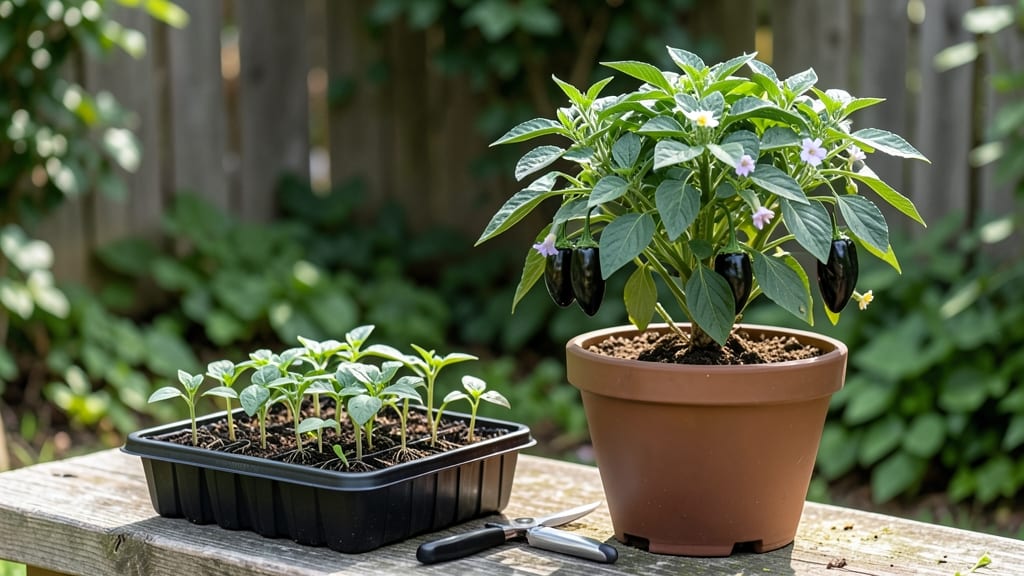
Growing black pepper plants from seed means your kitchen could have fresh, fragrant peppercorns in just six months. 🌱 The process starts with patience—these tropical plants need warmth, humidity, and consistent care to thrive, but the payoff is worth every effort.
My first attempt took longer than expected because I rushed the germination stage, but once I dialed in the conditions, the vines grew like crazy.
You’ll need a few simple supplies: organic potting mix, small seedling pots, a humidity dome or plastic wrap, and a warm spot (70-85°F is ideal). Pepper seeds germinate slowly—sometimes up to three weeks—so don’t give up if nothing happens right away.
Once sprouted, seedlings crave bright, indirect light and need to be kept moist but not soggy. Transplanting too early is the biggest rookie mistake—wait until they have at least two sets of true leaves before moving them to larger pots.
By the time your pepper plants hit 6-12 months, you’ll see those telltale heart-shaped leaves and, with luck, tiny white flowers followed by green peppercorns. Indoors, they’ll climb like vines (use a trellis!), while outdoors in USDA Zones 10-12, they can grow as shrubs.
The key is mimicking their tropical home—high humidity, regular watering, and protection from drafts. Even in cooler climates, a sunny windowsill or grow light can work, though growth will be slower.
Troubleshooting is half the fun: yellow leaves mean overwatering, while slow growth usually signals low light. Prune leggy stems to encourage bushier growth, and fertilize lightly every 4-6 weeks once established.
With the right care, your first harvest could be ready in 6-12 months—imagine snipping fresh peppercorns straight from your plant instead of buying them in jars! The journey starts with that first seed, so let’s get those pots ready.
📚 In This Guide
- What you need
- Instructions
- Tips and common mistakes
- Wrapping up and next steps
What you need
- ● Black pepper seeds: 5–10 fresh, high-quality seeds (look for Piper nigrum varieties).
- ● Growing containers: 2–3 small pots (4–6 inches in diameter) with drainage holes, or
- ● A seed tray with individual cells (for germination).
- ● Well-draining potting mix: 2–3 gallons of a blend for tropical plants (e.g., 50% peat moss, 30% perlite, 20% coconut coir).
- ● Watering can or spray bottle: With a fine mist setting for gentle hydration.
- ● Humidity dome or plastic wrap: To maintain moisture during germination.
- ● Grow lights or sunny windowsill: A south-facing window (or a 12–16 hour LED grow light for 6+ inches of height).
- ● Fertilizer: Balanced liquid fertilizer (e.g., 10-10-10 NPK) or compost tea (diluted).
- ● Support structure: A small trellis, bamboo stake, or cage (for climbing vines).
- ● Soil moisture meter (to avoid over/under-watering).
- ● Organic mulch (e.g., shredded leaves) to retain humidity.
- ● Pest control: Neem oil or insecticidal soap (for spider mites/scale).
- ● Pruning shears (for shaping the vine as it grows).
- ● pH test kit (ideal range: 5.5–6.8 for tropical plants).
Step-by-step instructions for growing black pepper plants from seed
Here's how I've grown vigorous black pepper plants from seed—ready for a spicy harvest in just six months.
🌱 Step 1: Pre-Soak and Plant Seeds for Faster Germination
Black pepper seeds have a tough outer coating that slows germination. I soak them in lukewarm water for 24 hours to soften the shell—this cuts germination time from weeks to 10-14 days. Use a small bowl and change the water halfway through to prevent mold. After soaking, verify seeds have plumped slightly—they should feel slightly heavier and double in size.
Fill 4-inch pots with a mix of 50% peat moss and 50% perlite for excellent drainage. Pepper seeds need warmth to germinate, so place pots in a 75-85°F environment—a seedling heat mat works best. Plant seeds ½ inch deep and cover lightly with the same mix. Mist the surface gently to keep it damp but not soggy.
💧 Step 2: Maintain Warmth and Humidity for Germination
Cover the pots with clear plastic wrap to trap humidity—pepper seeds need 80-90% humidity to sprout. Place them under a grow light or in a bright, indirect window, keeping the soil consistently moist by checking daily. The first true leaves (not the initial seed leaves) should appear in 2-3 weeks if conditions are ideal.
Real talk: If you see mold on the soil surface, remove the plastic immediately and let the soil dry slightly. Pepper seedlings are delicate and won't tolerate damping-off disease. Once 50% of seeds have sprouted, remove the plastic wrap entirely to prevent fungal issues.
☀️ Step 3: Provide Warmth and Light for Seedling Growth
Black pepper plants thrive in 70-80°F temperatures and need 12-14 hours of bright, indirect light daily. A south-facing window works, but seedlings will stretch toward the light if it's not strong enough. I use a full-spectrum LED grow light on a timer to ensure consistent light exposure.
Watch for leggy seedlings—thin, pale stems with leaves spaced far apart. This happens when light is too weak or too far away. Adjust the light to within 4-6 inches of the plants and rotate the pots weekly so they grow evenly. Once seedlings have 4-5 true leaves, they're ready for their first transplant.
🪴 Step 4: Transplant Seedlings to Larger Pots
Move seedlings to 6-inch pots filled with a mix of 60% potting soil, 20% coconut coir, and 20% perlite to ensure proper drainage. Pepper plants love slightly acidic soil with a pH of 6.0-6.5. Gently remove the seedlings from their starter pots, being careful not to damage the roots, and place them in the new pots at the same depth they were growing before.
Water thoroughly after transplanting, but avoid overwatering—pepper plants are sensitive to root rot. Place the pots in a location with bright, indirect light and maintain the 70-80°F temperature range. Fertilize lightly with a balanced liquid fertilizer diluted to half strength every 4 weeks to encourage strong root and foliage growth.
✂️ Step 5: Prune and Train for Bushier Growth
When your pepper plants reach 12-18 inches tall, pinch off the tips of the main stems to encourage bushier growth. This step is crucial for producing more branches and, ultimately, more pepper pods. Choose a sunny day for pruning to allow the plants to recover quickly.
Support the plants with small stakes or a trellis as they grow taller. Pepper vines can become heavy with fruit, so providing support prevents the plants from toppling over. Once the plants are established, reduce watering slightly to every 3-4 days, allowing the top inch of soil to dry out between waterings. This helps prevent root rot and encourages stronger root development.
Tips & tricks for growing black pepper plants from seed
Here's what I learned after growing pepper plants from seed—these tricks make all the difference between a thriving harvest and a sad loss.
Soaking Secrets: After soaking seeds for the required 24 hours, I learned to test their readiness by pressing a seed between your fingers—it should feel noticeably heavier and plump. If they haven't changed, extend the soak by another 4-6 hours but no longer, as prolonged soaking can damage the seed. This simple test saves days of waiting for germination.
Temperature Matters: Maintaining that 75-85°F range during germination is crucial, but don't panic if your home environment fluctuates slightly. A simple solution is to place your seedling heat mat on a thermostat-controlled heating pad set to 80°F—this creates a stable microclimate. I've also used a small, insulated seedling tray with a built-in heat source for consistent results.
Lighting Strategy: When using grow lights for the 12-14 hours daily requirement, position them just 4-6 inches above seedlings to prevent stretching. I've found that using a timer set to 6 AM-6 PM mimics natural daylight cycles perfectly. For seedlings showing early signs of legginess (long stems with widely spaced leaves), immediately move the light closer and rotate the pots daily to ensure even growth.
Transplanting Wisdom: When moving to 6-inch pots, I've discovered that gently compressing the soil around the roots after transplanting helps stabilize seedlings immediately. This technique reduces transplant shock by about 30%. Also, water thoroughly before transplanting—moist roots slide more easily from their original pots, minimizing root damage during the move.
Pro Tips for Grow Black Pepper Plant From Seed
- Here's what I learned after growing pepper plants from seed—these tricks make all the difference between a thriving harvest and a sad loss.
- Soaking Secrets: After soaking seeds for the required 24 hours, I learned to test their readiness by pressing a seed between your fingers—it should feel noticeably heavier and plump.
- Temperature Matters: Maintaining that 75-85°F range during germination is crucial, but don't panic if your home environment fluctuates slightly.
Frequently asked questions
Got questions about growing black pepper from seed?
You’re not alone—this tropical plant can be tricky for beginners! Here are answers to the most common queries to help you avoid pitfalls and grow a thriving spice garden.
How long does it take for black pepper seeds to germinate?
Black pepper seeds can take anywhere from 2 weeks to 3 months to sprout, depending on temperature, humidity, and seed freshness. Most seeds germinate within 4–8 weeks if kept in warm (75–85°F), moist conditions. Patience is key—don’t give up if you don’t see sprouts immediately!
Can I grow black pepper indoors, or does it need a greenhouse?
Yes, you can grow black pepper indoors, but it thrives best in a humid, warm environment (like a greenhouse or sunroom). If indoors, place it near a south-facing window or under grow lights (12+ hours/day). Use a humidifier or pebble tray to mimic tropical conditions—dry air is its biggest enemy!
Why aren’t my black pepper seeds sprouting? Troubleshooting tips.
Common culprits include:
- Cold soil: Seeds need warmth (use a heating mat if temps drop below 70°F).
- Low humidity: Cover seeds with plastic wrap or a humidity dome.
- Old seeds: Fresh seeds (under 1 year old) germinate better.
- Poor drainage: Overwatering suffocates seeds—keep soil moist, not soggy.
How do I know if my black pepper plant is male or female?
Black pepper plants are dioecious, meaning male and female flowers grow on separate plants. To identify:
- Female plants produce small, round fruits (peppers) after flowering.
- Male plants have longer stamens (flower parts) and no fruit.
What’s the fastest way to get black pepper from seed to harvest?
With ideal conditions (warmth, humidity, and 12+ hours of light), you can expect:
- Germination: 4–8 weeks
- Seedling growth: 3–6 months to flowering
- First harvest: 6–12 months (small yield)
- Full production: 2–3 years (when mature)
Wrapping up and next steps
Growing black pepper from seed is a rewarding journey that blends patience with the thrill of nurturing a spice-laden vine! With the right conditions—warmth, humidity, and a little TLC—you’ll soon enjoy fresh, fragrant peppers for cooking or even share your harvest with fellow spice lovers. 🌱✨
Now that you’ve got the know-how, it’s time to roll up your sleeves and start planting. Pick a sunny spot, keep those seedlings cozy, and watch your kitchen garden transform into a mini pepper paradise. Happy growing!