Propagation
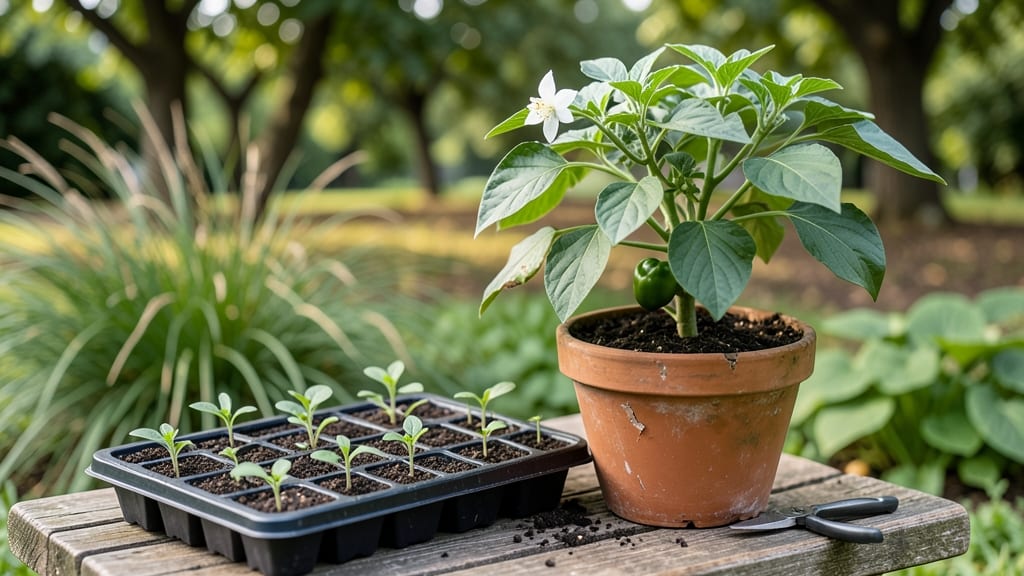
Growing pepper plants from seed gives you varieties you'll never find at the store—like sweet banana peppers or fiery habaneros—but the real secret to success is in the first 7-14 days of germination.
I’ve watched hundreds of seeds sprout, and the difference between fast, strong starts and weak, leggy seedlings comes down to three things: soil warmth, moisture control, and light timing. Skip one, and you’ll spend weeks waiting for tiny sprouts that struggle to stand.
Start with a seed-starting mix that’s light and airy—no garden soil here. Fill your tray or small pots just enough to cover the seeds with ¼ inch of soil, then water gently until the mix is damp like a wrung-out sponge.
Place the tray on a heat mat (or even a sunny windowsill) and cover it loosely with plastic wrap to trap warmth and humidity. Check daily for condensation—this is where most seed-starting failures happen.
Within a week, you’ll see those first green hooks push through the soil. That’s when the real work begins: move them to a bright spot with 12-14 hours of light daily (grow lights work best) and keep the soil consistently moist but never soggy.
Thin seedlings to one per pot when they hit 2 inches tall, and you’ll have stocky, vibrant plants ready to transplant in just 6-8 weeks.
Troubleshooting is half the battle—damping off (black stems) means your soil is too wet, while slow germination often points to cold soil. For beginners, stick with easy varieties like bell peppers or jalapeños, and remember: patience pays off.
These little plants will turn into bushy, fruit-loaded wonders if you give them the right start.
📚 In This Guide
- What you need
- Instructions
- Tips and common mistakes
- Wrapping up and next steps
What you need
- ● Peppers seeds: Choose heirloom, hybrid, or organic seeds (10–20 seeds for a small harvest). Opt for varieties suited to your climate (e.g., jalapeño, bell, or habanero).
- ● Seed-starting mix: 2–3 cups of sterile, seedling-specific potting soil (avoid garden soil—it’s too dense!).
- ● Seed trays or small pots: 2–4 biodegradable pots (2–3 inches deep) or a seed tray with individual cells. Pro tip: 💡 Use recycled containers like egg cartons if you’re eco-conscious!
- ● Grow lights or sunny windowsill: A full-spectrum LED grow light (12–16 hours/day) or a south-facing window with consistent sunlight (6+ hours daily).
- ● Spray bottle: A 16 oz. bottle with a fine mist nozzle for gentle watering.
- ● Plastic wrap or humidity dome: A small sheet of plastic wrap or a clear lid to retain moisture during germination.
- ○ Heat mat (optional but helpful): A seedling heat mat (70–85°F range) speeds up germination for slower varieties like peppers.
- ● Trowel or spoon: For planting seeds without crushing them.
- ● Labels & marker: To track seed varieties (use toothpicks + tape if you’re crafty!).
- ● Fertilizer (after germination): A balanced, water-soluble fertilizer (5-5-5 or 10-10-10) diluted to half-strength.
- ○ Fungicide (optional): A natural spray like neem oil to prevent damping-off disease.
- ● Transplanting supplies (later stage): Larger pots (5+ inches) or garden beds with well-draining soil.
Step-by-Step instructions for growing pepper plants from seed
Here's how to get your peppers off to a flying start—no weak seedlings here.
🌱 Step 1: Prepare Containers and Seed Starting Mix
Start with small containers—2-3 inches deep works perfectly. Fill them with a light, sterile seed-starting mix (never garden soil, which can harbor diseases). I like to mix in a bit of perlite for extra drainage, but keep it loose so young roots can spread easily. Moisten the mix until it's damp but not soggy—you should be able to squeeze a handful without water dripping out.
Press the soil down gently to remove air pockets, then use a pencil or your finger to make small holes about ¼ inch deep. This is where your pepper seeds will go. The key here is consistency—keep the soil evenly moist but never waterlogged. Overwatering at this stage is the fastest way to lose seedlings to damping-off.
🌱 Step 2: Plant Seeds and Maintain Warmth
Place 1-2 seeds per container—you can always thin later. Cover them lightly with soil, just enough to hide them but not bury them too deep. Pepper seeds need warmth to germinate, so I place the containers on a seedling heat mat set to 75-85°F. Without this, germination can take 2-3 weeks—with it, you'll see sprouts in just 7-10 days.
Cover the containers with plastic wrap or a humidity dome to trap warmth and moisture. Check daily for condensation—if you see water droplets, that's perfect. Once the first sprouts appear, remove the cover immediately to prevent mold. The moment you see those tiny green shoots, move the containers to a bright spot where they'll get 12-14 hours of light daily.
☀️ Step 3: Provide Light and Prevent Leggy Growth
Pepper seedlings need strong light from the start. If you're using a grow light, keep it 2-3 inches above the plants and raise it as they grow. Without enough light, seedlings stretch toward the source, becoming weak and leggy. You'll know your light is working if the plants stay compact with dark green leaves.
Water gently from the bottom—place the containers in a tray of water for 10-15 minutes to let the roots absorb moisture. This prevents soil from splashing onto leaves, which can spread disease. Once the seedlings have their first true leaves (not the initial seed leaves), thin to the strongest plant per container. Use clean scissors to snip the weaker one at soil level—this avoids disturbing the roots of the one you're keeping.
✂️ Step 4: Harden Off and Transplant
About 2 weeks before your last frost date, start hardening off your seedlings. Place them outside in a sheltered spot for 1-2 hours the first day, gradually increasing their time outdoors over 7-10 days. This helps them adjust to wind, sun, and temperature changes. By the time you transplant, they should be able to handle a full day outside without wilting.
Choose a sunny spot in your garden with well-draining soil. Pepper plants love warmth and need 6-8 hours of sunlight daily. Dig holes slightly larger than the root balls and space them 18-24 inches apart to give them room to grow. Water deeply after transplanting to help the roots settle in. Within a week, your peppers will be established and ready to thrive.
Tips & tricks for fast pepper seed germination
Real talk: Pepper seeds can be finicky, but these tricks will help you skip the waiting game and get those little green shoots popping up faster than you'd expect.
Seedling Heat Mat is Non-Negotiable: That 75-85°F range on your heat mat isn't just a suggestion—it's the magic window for fast germination. I've tried skipping it, and trust me, those seeds will take their sweet time (up to 3 weeks!) without it. If you don't have a heat mat, try placing containers on top of your refrigerator or near a sunny window where warmth naturally collects. The goal is consistent warmth at the soil level.
Lighting Strategy for Speed: Those 12-14 hours of light aren't just about preventing leggy growth—they're also what triggers faster germination. Place your containers under a grow light immediately after planting, even before you see sprouts. South-facing windows work too, but be prepared to rotate containers daily so all sides get equal light. Weak light is what makes seedlings stretch and grow slowly.
Thinning Technique That Saves Time: When you're ready to thin to the strongest seedling per container (as mentioned in Step 3), here's the pro move: Wait until both seedlings have at least 2 sets of true leaves before thinning. This gives you a better chance of identifying the stronger plant. Use clean scissors and snip at soil level to avoid disturbing the roots of your winner.
Watering Hack for Consistent Moisture: That 10-15 minute bottom-watering method in Step 3 is brilliant, but here's the bonus: Set up a shallow tray with about ½ inch of water and place your containers in it. The soil will draw up exactly what it needs without risk of overwatering. Check the water level daily—it should never go completely dry, but never be more than ½ inch deep either.
Pro Tips for Grow A Pepper Plant From Seed
- Real talk: Pepper seeds can be finicky, but these tricks will help you skip the waiting game and get those little green shoots popping up faster than you'd expect.
- Seedling Heat Mat is Non-Negotiable: That 75-85°F range on your heat mat isn't just a suggestion—it's the magic window for fast germination.
- Lighting Strategy for Speed: Those 12-14 hours of light aren't just about preventing leggy growth—they're also what triggers faster germination.
Frequently asked questions
Got questions about growing peppers from seed? You’re not alone! Here are answers to the most common queries to help you grow like a pro.
How long does it take for pepper seeds to germinate?
Most pepper seeds sprout within 7–21 days, depending on warmth and moisture. Hot peppers (like jalapeños) often germinate faster (7–10 days), while sweeter varieties (like bell peppers) may take up to 2–3 weeks. Keep soil consistently moist and warm (70–90°F) to speed things up!
Can I grow peppers indoors without sunlight?
Yes, but you’ll need grow lights! Peppers thrive with 12–16 hours of light daily. A simple LED grow bulb or fluorescent light 6–12 inches above plants works well. If natural light is limited, supplement with lights to prevent leggy, weak seedlings.
Why are my pepper seedlings turning yellow or wilting?
Yellowing leaves often signal overwatering or poor drainage. Let soil dry slightly between waterings and use pots with drainage holes. Wilting can also mean underwatering or root stress—check for compacted roots if transplanting. Adjust care and monitor closely!
Do I need to fertilize pepper seeds right away?
No! Wait until seedlings have 2–3 true leaves (not just the initial seed leaves). At that point, use a balanced, water-soluble fertilizer (like 10-10-10) diluted to half-strength. Over-fertilizing young plants can burn delicate roots—go easy!
What’s the best way to harden off pepper seedlings before transplanting?
Acclimate seedlings over 7–10 days by gradually exposing them to outdoor conditions. Start with 1–2 hours of shade on day 1, increasing time and sun exposure daily. By day 7, they should handle full sun. Avoid sudden temperature swings to prevent shock!
Can I save seeds from store-bought peppers?
It’s possible, but not all store-bought peppers are open-pollinated. Hybrid varieties (like many bell peppers) won’t grow true to type. For seed-saving, choose heirloom or open-pollinated peppers. Let them fully ripen on the plant, then dry and store seeds in a cool, dark place.
Wrapping up and next steps
Growing peppers from seed is a rewarding journey that combines patience with the joy of nurturing life from scratch!
With the right germination tricks, proper care, and a little love, you’ll soon be harvesting vibrant, flavorful peppers to spice up your meals. Start small—just one seedling—and watch your confidence (and garden!) grow.
Ready to take the next step? Expand your green thumb:
- Try different pepper varieties for bold flavors!
- Share your harvest with friends or preserve it for later.
- Experiment with container gardening if space is limited.