
Picking
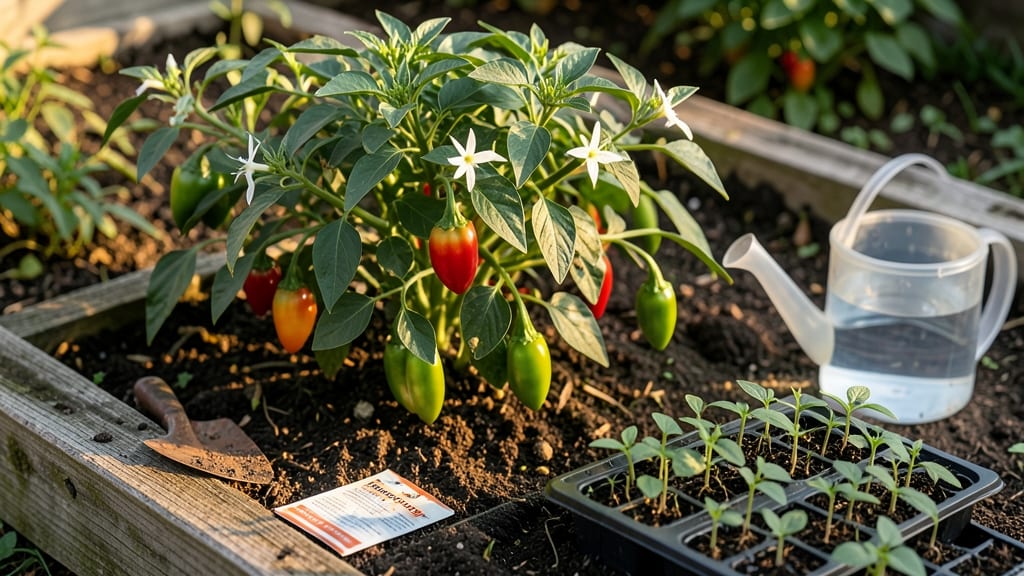
Growing teardrop peppers from seeds starts with a 3-week heat zone-proof timeline that turns tiny seeds into robust seedlings ready for transplant. ✨ I’ve learned the hard way that patience and precise conditions make all the difference—skipping steps leads to leggy, weak plants that struggle to catch up.
The key is replicating their native warmth while avoiding common pitfalls like dampening off or uneven germination.
You’ll need just a few supplies: a seed-starting tray, high-quality potting mix, and a heat mat or sunny windowsill (south-facing gets them to 75°F in about 10 days). Teardrop peppers thrive in full sun and well-draining soil, so avoid compacted mixes that trap moisture.
Once sprouted, keep seedlings under grow lights or in the brightest spot you have—weak light stretches them out, and you’ll spend weeks playing catch-up.
By week 4, you’ll see sturdy, dark-green seedlings with true leaves ready for transplant. The real magic happens when you move them outdoors after the last frost, where they’ll grow 12–18 inches tall and produce small, fiery peppers in 70–80 days.
The harvest? A steady supply of hot, tangy teardrop peppers that dry beautifully for seasoning.
Fair warning: these peppers are heat-sensitive—overwatering or cold snaps stall growth. But once they’re established, they’re drought-tolerant and productive. Start seeds indoors in February–March for a summer harvest, and save seeds from your best plants for next year’s crop.
The payoff? A garden full of bold flavor and a shelf of dried peppers for winter cooking.
📚 In This Guide
- What you need
- Instructions
- Tips and common mistakes
- Wrapping up and next steps
What you need
- ● Teardrop pepper seeds – 5–10 seeds (or more, if experimenting with multiple pots). Opt for high-quality, heirloom seeds for best results!
- ● Seed-starting trays or small pots – 2–4 inch pots (biodegradable or plastic) or a seed tray with individual cells.
- ● High-quality seed-starting mix – Lightweight, sterile, and well-draining (avoid garden soil—it’s too dense!).
- ● Grow lights or a sunny windowsill – A full-spectrum LED grow light (12–16 hours/day) or a south-facing window with 6+ hours of sunlight.
- ● Misting bottle or spray nozzle – For gentle hydration without disturbing seeds.
- ○ Heat mat (optional but recommended) – 70–85°F (21–29°C) for faster germination (teardrop peppers love warmth!).
- ● Plastic wrap or humidity dome – To retain moisture and create a mini greenhouse effect.
- ● Fertilizer (balanced or diluted) – A 5-5-5 or 10-10-10 NPK formula (use sparingly—half-strength for seedlings).
- ● Seedling heaters or propagators – For extra warmth in cooler climates.
- ● pH testing kit – Ideal soil pH for peppers: 6.0–6.8.
- ● Transplanting tools – Small trowel or spoon for delicate seedling moves.
- ● Label markers – To track varieties and planting dates.
- ● Compost or worm castings – Boosts nutrients when transplanting outdoors.
Step-by-step instructions for germinating teardrop pepper seeds
Fast germination is all about warmth and patience—here’s how to get your teardrop peppers sprouting in under a week.
🌱 Step 1: Soak Seeds to Speed Germination
Place the teardrop pepper seeds in a small bowl and cover them with lukewarm water for 12 hours. The outer coating slows water absorption, and soaking softens it for faster sprouting. You’ll see the seeds swell slightly—this means they’re ready to break ground.
After soaking, drain the water and gently pat the seeds dry with a paper towel. This prevents mold from forming in the damp mix later. I like to wrap the towel around the seeds overnight in a sealed container to keep them moist but not soggy.
💧 Step 2: Prepare Warm, Moist Seedling Mix
Fill 4-inch seedling pots with a sterile seed-starting mix—never garden soil, which can harbor fungi. The mix should feel like a damp sponge when squeezed; if it crumbles, add a spray of water. Teardrop peppers thrive in warmth, so place the pots on a seedling heat mat set to 80-85°F.
Make two small divots in the soil, about ¼ inch deep, using your finger. Space them 1 inch apart—this prevents overcrowding later. Teardrop seeds are tiny, so I use a toothpick to place them precisely. Cover lightly with a thin layer of mix, just enough to conceal the seeds.
☀️ Step 3: Create a Humidity Dome for Fast Sprouts
Cover the pots with clear plastic wrap or a humidity dome to trap heat and moisture. Teardrop seeds germinate best in 90% humidity, so check daily for condensation on the plastic. If it fogs up, you’re golden—this means the environment is perfect for sprouting.
Place the setup under grow lights (or near a south-facing window) for 12-14 hours of light daily. Without enough light, seedlings stretch toward the source, becoming weak and leggy. You’ll see the first sprouts in 5-7 days—watch for tiny green hooks breaking the soil surface.
✂️ Step 4: Thin and Harden Off for Strong Transplants
Once the seedlings reach 1-2 inches tall, remove the weaker of the two (if you planted two per pot) using scissors to avoid disturbing roots. Keep the strongest seedling with the thickest stem and darkest leaves. Water gently at the base—never from above—to prevent fungal issues.
After 2 weeks, start hardening off by moving the pots outside for 1-2 hours daily in partial shade. Gradually increase exposure to full sun over 7-10 days. Teardrop peppers are heat-lovers, so they’ll thrive in 75-90°F once transplanted. Avoid transplanting until nighttime temps stay above 55°F.
🌿 Step 5: Maintain Heat-Zone Conditions for Fast Growth
Teardrop peppers grow quickly in hot climates but need consistent moisture. Water when the top inch of soil feels dry, but avoid soggy soil—root rot shuts down growth fast. A mulch layer (like straw) keeps soil warm and retains moisture, which is critical in fluctuating heat zones.
Fertilize lightly with a balanced 10-10-10 mix when the plants hit 6 inches tall. Too much nitrogen early on makes them leafy but slows fruit production. You’ll see the first tiny teardrop-shaped peppers in 8-10 weeks—harvest when they’re 1-2 inches long for the best flavor and heat.
Tips & tricks for perfect teardrop pepper germination
Real talk: Germinating teardrop pepper seeds isn't rocket science, but those little details make all the difference between a thriving plant and a sad, wilted seedling. Here's what nobody tells you—
Soaking Strategy: That 12-hour soak in lukewarm water is non-negotiable for breaking the seed's tough outer coating. I've learned the hard way—skipping this step can delay germination by days. After soaking, don't just toss them in the soil! The overnight towel wrap in a sealed container creates the perfect microclimate for maximum moisture without drowning the seeds.
Heat Mat Hack: The 80-85°F heat mat isn't just about warmth—it's about consistency. I've seen seeds fail because the heat fluctuated too much. If you don't have a heat mat, try placing your pots on top of your fridge (where it's warmest) or use a heating pad set to low. Just don't let the soil temperature exceed 90°F, or you'll cook those seeds.
Humidity Dome Secrets: That foggy plastic wrap isn't just for show—it's your humidity gauge. If condensation forms on the inside, you're at the perfect 90% humidity. If it stays clear, add a spray of water inside the dome. Pro tip: Poke a few tiny holes in the plastic if you notice water droplets forming on the soil surface—you want moist, not soggy.
Lighting Timeline: Those 12-14 hours of light daily are crucial for preventing leggy seedlings. If you're using regular household lights, position them within 6 inches of the seedlings. LED grow lights are worth the investment—they're energy-efficient and provide the full spectrum teardrop peppers need. Watch for seedlings stretching toward the light like they're reaching for a high-five—that's your cue to move them closer.
Pro Tips for Teardrop Peppers Seeds
- Real talk: Germinating teardrop pepper seeds isn't rocket science, but those little details make all the difference between a thriving plant and a sad, wilted seedling.
- Soaking Strategy: That 12-hour soak in lukewarm water is non-negotiable for breaking the seed's tough outer coating.
- Heat Mat Hack: The 80-85°F heat mat isn't just about warmth—it's about consistency.
Frequently asked questions
Got questions about growing teardrop peppers from seeds? We’ve got answers! Here are some of the most common concerns—plus quick tips to keep your plants thriving.
How long do teardrop pepper seeds take to germinate?
Teardrop pepper seeds typically germinate in 10–20 days when kept in warm (75–85°F), moist soil. For faster results, soak seeds overnight before planting and use a heat mat if your home is cooler. Patience is key—some seeds may take up to 3 weeks!
Can I plant teardrop pepper seeds outside in cold climates?
Nope! Teardrop peppers hate cold and need warm soil (at least 60°F) to sprout. Start seeds indoors 8–10 weeks before your last frost, then transplant seedlings after all danger of frost has passed. If you’re in Zone 5 or colder, consider growing them in containers for easy relocation.
What’s the best soil mix for teardrop pepper seeds?
Use a light, well-draining mix like 50% peat moss or coco coir + 50% perlite or vermiculite. Avoid heavy garden soil—it can cause rot. A seed-starting formula with added nutrients (like fish emulsion) gives seedlings a head start. Pro tip: Sterilize your mix to prevent mold!
Why aren’t my teardrop pepper seeds sprouting?
Common culprits: too cold, too dry, or old seeds. Double-check your soil temp (use a seedling heat mat if needed), keep the mix consistently moist (not soggy), and test seed viability by soaking a few in water—if they sink, they’re likely good. If seeds are over 1 year old, try fresh ones!
Are teardrop peppers hard to grow compared to other peppers?
Not at all! They’re beginner-friendly and more forgiving than, say, habaneros. Just give them full sun (6+ hours/day), regular watering, and occasional fertilizer (like a balanced 10-10-10). They’re also disease-resistant, making them a great choice for first-time growers.
Wrapping up and next steps
Growing teardrop pepper seeds can be a rewarding adventure—especially when you master the heat zone-proof germination timeline! With the right soil, warmth, and patience, you’ll soon be harvesting vibrant, spicy peppers to spice up your dishes. 🌱✨
Now that you’re armed with tips and answers, take the next step: plant those seeds and watch your garden thrive! Share your progress or ask questions in the comments—we’re here to help you grow like a pro. Happy planting! 🌶️💚