
Picking
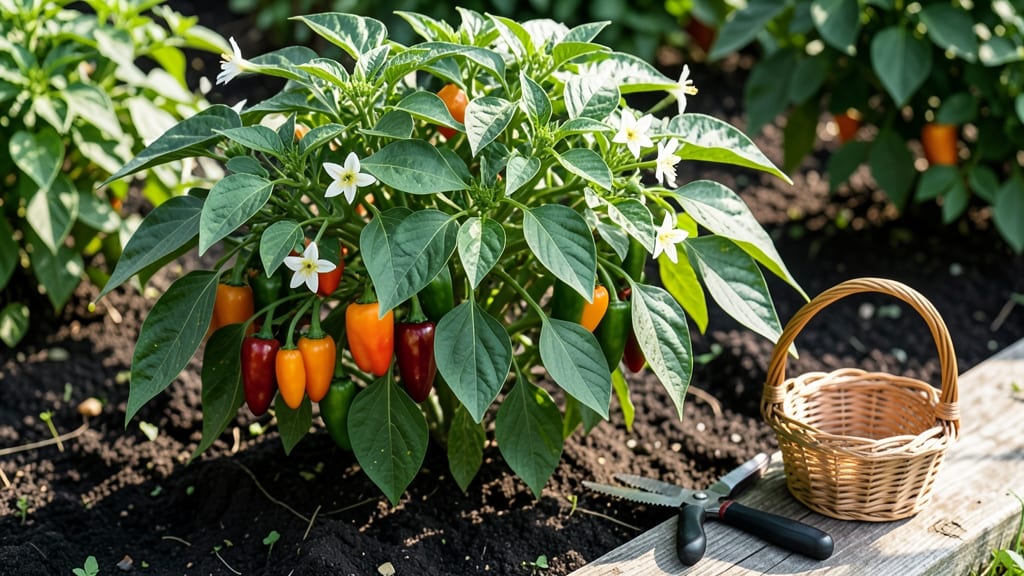
Harvesting habanero peppers at the right moment turns a fiery garden experiment into a kitchen game-changer. ✨ The difference between a pepper that packs serious heat and one that’s barely spicy comes down to timing—ripe peppers deliver the bold, fruity kick you crave, while green ones taste bitter and underwhelming.
Start picking when peppers reach 3-4 inches long and turn a vibrant orange, red, or yellow, depending on the variety. Use sharp scissors or pruners to snip the stem cleanly—this prevents damage to the plant and keeps it producing.
If you’re unsure whether a pepper is ripe, check the color and size: fully mature habaneros won’t get much bigger, and their skin will feel slightly leathery.
Once harvested, store peppers in a cool, dry place for up to 2 weeks, or dry them for long-term use. The heat intensifies as they ripen, so the longer you wait, the spicier they’ll get—just don’t leave them on the plant past their prime, or they’ll turn mushy.
For extra heat, let them dry completely and crush into flakes for homemade hot sauces or seasoning blends.
Pro tip: Wear gloves when handling fresh habaneros—the oils can irritate skin, and the heat is no joke. If you’re new to growing these, start with just a few plants; even a single ripe pepper can add serious flavor to dishes. Ready to turn your garden into a heat factory?
📚 In This Guide
- What you need
- Instructions
- Tips and common mistakes
- Wrapping up and next steps
What you need
- ● Habanero pepper plants: Healthy, mature plants (3–6 months old) with visible fruit. Aim for at least 10–20 peppers per plant for a bountiful harvest!
- ● Pruning shears or sharp scissors: Clean, sterilized tools to avoid damaging plants or spreading disease. Look for bypass pruners (3–6 inch blades) for precision.
- ● Harvesting basket or bucket: A shallow, breathable container (like a mesh bag or woven basket) to prevent bruising. Aim for 1–2 gallons of capacity.
- ○ Gloves (optional but recommended): Nitrile or rubber gloves (thin, heat-resistant) to protect your hands from the habanero’s intense capsaicin!
- ● Labeling tags or markers: Waterproof labels to track pepper varieties, harvest dates, or ripeness stages (e.g., green vs. red/orange).
- ● Spray bottle with water: For rinsing off dirt or pests before handling peppers.
- ● Harvesting knife or small saw: For thicker stems or stubborn peppers (e.g., serrated utility knife).
- ● Food-safe sanitizing solution: 1-part vinegar to 3-parts water to sterilize tools between cuts.
- ● Habanero heat chart or guide: A color-coded reference to identify ripeness stages (e.g., green = mild, red/orange = peak heat!).
- ● Storage containers (for post-harvest): Paper bags or breathable cloth sacks to store peppers at room temp (55–65°F) for 1–2 weeks.
- ● First-aid supplies: Baking soda paste (for capsaicin burns) and cool compresses (just in case!).
- ● Sunny weather: Harvest on a dry, cloudless day to minimize moisture and disease risk.
- ● Mature peppers: Wait until peppers reach 2–4 inches long and their final color (green, red, orange, or yellow, depending on variety).
- ● Clean workspace: A flat, stable surface (like a table or tarp) to lay out tools and peppers.
- ● Patience!: Habaneros ripen quickly—check plants every 2–3 days during peak season.
How to harvest habanero peppers at peak heat and flavor
Timing matters more than you think—pick too early and you lose that signature fiery punch.
🌿 Step 1: Wait for the Right Color and Size
Habaneros ripen from green to their signature orange, red, or yellow—but don’t wait until they’re fully colored. Harvest when they’re ¾ ripe (about 2-3 inches long) for the best balance of heat and sweetness. The skin should feel slightly firm but not hard—think of a ripe tomato’s texture.
Here’s the thing: fully mature habaneros can get waxy and lose some flavor intensity. I like to pick mine when they’re bright and glossy, not dull. Check your plants every 2-3 days starting when the first peppers turn color—you’ll see them change rapidly in warm weather.
🌱 Step 2: Use the Proper Technique to Avoid Damage
Never pull peppers from the plant—always cut the stem with clean scissors or pruners about ½ inch above the fruit. This prevents the plant from tearing and keeps the stem intact for future growth. I sterilize my tools with rubbing alcohol between cuts to avoid introducing bacteria.
Grasp the pepper gently at the base and twist slightly as you cut to avoid crushing it. If you’re harvesting multiple peppers, work from the bottom of the plant upward so you don’t accidentally knock off unripe fruit. Habaneros are delicate when ripe, so handle them like you would a ripe plum—not too rough, but not too gentle either.
☀️ Step 3: Store for Maximum Heat Retention
Freshly harvested habaneros hold their heat best when stored stem-side down in a paper bag in the fridge. The bag traps ethylene gas, which helps them ripen further if they’re not fully mature. Check them after 3-5 days—they’ll develop deeper color and more heat as they sit.
Don’t wash them until you’re ready to use—moisture speeds up spoilage. If you won’t use them within a week, freeze them whole or slice them and store in an airtight container. The heat compounds actually concentrate when frozen, making them perfect for future salsas or hot sauces.
✂️ Step 4: Know When to Prune for Continuous Harvests
After harvesting, inspect the plant for overripe or damaged peppers—remove them immediately to redirect the plant’s energy to new fruit. If your habanero is still producing flowers, pinch off any small, green peppers that aren’t likely to ripen before frost. This encourages the plant to focus on the remaining fruit.
Real talk: Habaneros produce best in warm, consistent temperatures (70-85°F). If nights dip below 60°F, growth slows, and peppers may stop ripening. In cooler climates, harvest all remaining peppers when they’re ½ ripe and finish ripening indoors near a sunny window.
Tips & tricks for perfect habanero pepper harvesting
Timing and technique make all the difference when harvesting these fiery gems—here's how to get it right every time.
Harvest Timing Secret: In Step 1, those 2-3 inches of length are your guide, but don't forget the firmness test. Press gently—if it feels like a ripe tomato, it's ready. I've learned the hard way that waiting for full color can mean waxy, less flavorful peppers. The bright, glossy skin is your best indicator of peak heat and sweetness balance. Check plants every 2-3 days once color starts appearing—you'll catch them at their prime before they overripen.
Tool Prep Tip: Before you start Step 2, sterilize your pruners with rubbing alcohol. I keep a small bottle in my gardening toolbox for this exact purpose. Clean tools prevent bacterial infections that can spread to your plants. And here's what nobody tells you—use sharp tools! Dull blades crush peppers and cause unnecessary damage to the plant. A quick sharpening before your harvest session makes all the difference.
Storage Wisdom: When storing your freshly harvested peppers in Step 3, that paper bag trick really works. The ethylene gas helps them develop more heat over 3-5 days. I like to label my bags with the harvest date so I can track their development. Pro tip: If you're planning to freeze them, blanch whole peppers in boiling water for 30 seconds first. This preserves their vibrant color and heat levels for months.
Climate Rescue Strategy: If your nights dip below 60°F as mentioned in Step 4, don't wait for perfect ripeness. Harvest at ½ ripe and finish indoors. Place them on a sunny windowsill or under a grow light. I've had great success with this method in cooler climates—just be patient and check them daily. The indoor light helps them develop that signature fiery punch without the plant's natural warmth.
Pro Tips for Harvesting Habanero Peppers
- Timing and technique make all the difference when harvesting these fiery gems—here's how to get it right every time.
- Harvest Timing Secret: In Step 1, those 2-3 inches of length are your guide, but don't forget the firmness test.
- Tool Prep Tip: Before you start Step 2, sterilize your pruners with rubbing alcohol.
Frequently asked questions
Got questions about harvesting habanero peppers?
You’re not alone—these fiery little fruits can be tricky! Here are some of the most common queries (and answers) to help you master the harvest like a pro.
When is the best time to harvest habanero peppers?
Harvest habaneros when they’re fully colored (orange, red, or yellow, depending on the variety) and firm to the touch—usually 80–120 days after transplanting. Wait until they’re plump but not soft, as overripe peppers lose heat and flavor. Morning harvests prevent wilting and preserve spice intensity.
How do I pick habaneros without getting burned?
Always wear gloves (nitrile or rubber) and avoid touching your face or eyes. Use clean, sharp scissors or pruners to snip the pepper with 1–2 inches of stem—this speeds drying and reduces heat loss. Wash your hands thoroughly with soap and water afterward!
Can I harvest habaneros green, or do they need to ripen on the plant?
You can pick them green, but they’ll be milder and less flavorful. For maximum heat and sweetness, let them ripen fully on the plant. If you harvest early for storage, place them in a cool, dry spot (60–70°F) to ripen slowly.
What should I do if my habanero peppers turn yellow or mushy before harvesting?
Yellowing or mushiness often signals overripeness, disease (like bacterial spot), or poor air circulation. If caught early, trim affected peppers and improve airflow between plants. For severe cases, remove the plant to prevent spread. Prevent future issues by pruning leaves for better sunlight and avoiding overhead watering.
Can I save habanero seeds for next year’s harvest?
Scoop out seeds from ripe peppers, rinse them in water, and dry them on a paper towel for 2–3 days. Store in an airtight container in a cool, dark place. Note: Seed heat levels may vary slightly from the parent plant, so test a few!
Wrapping up and next steps
Harvesting habanero peppers at the right time ensures a fiery, flavorful yield that’ll take your dishes to the next level! 🌶️ By mastering the art of picking—whether by color, size, or gentle touch—you’ll unlock the full potential of these spicy gems.
Now that you’re equipped with the know-how, roll up your sleeves and head to the garden—your next batch of salsas, hot sauces, or bold recipes are waiting!
Need more? Experiment with drying or fermenting your harvest for even deeper flavors—your taste buds (and spice-loving friends) will thank you!