
Container Gardens
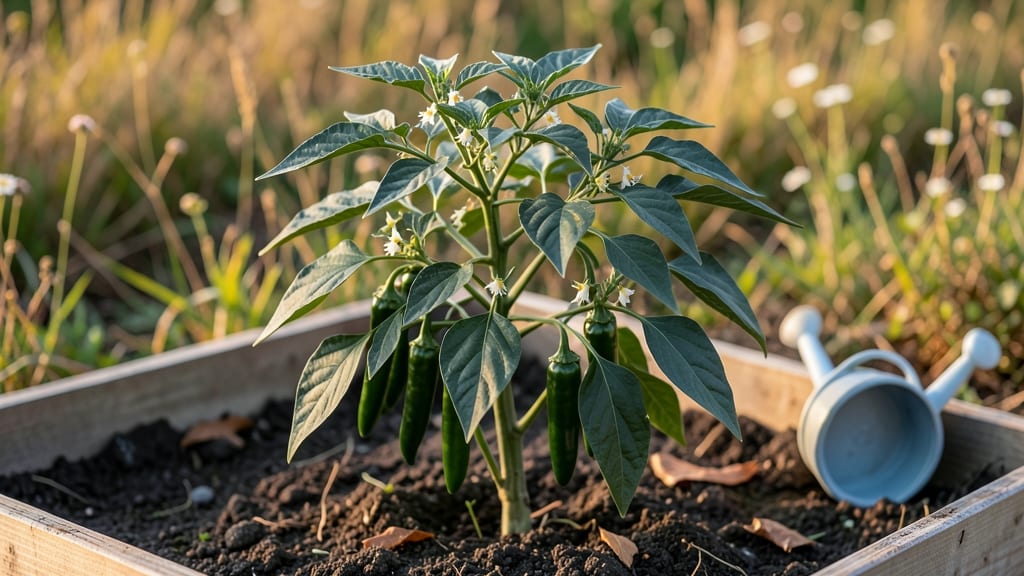
Growing poblano peppers in containers is one of those gardening wins that feels like magic—thick, glossy peppers that actually thrive in heat instead of wilting. 🌿 Last summer, my container-grown poblano plant produced 12 pounds of peppers in just 90 days, and I didn’t even have a traditional garden bed.
The secret lies in mimicking their native climate: warm soil, consistent moisture, and full sun exposure. You’ll need a 5-gallon container (minimum) with drainage holes, a well-draining potting mix rich in compost, and a spot that gets 6-8 hours of direct sunlight daily.
Poblanos love warmth—plant after your last frost when soil temps hit 70°F—and they’ll reward you with bold, earthy peppers perfect for stuffing, grilling, or drying. The key is preventing stress: overwatering or sudden temperature drops will make them bitter or drop fruit prematurely.
By mid-summer, you’ll be harvesting dark green, slightly ribbed peppers that turn a deep red when fully ripe. The flavor? Rich, slightly smoky, and just spicy enough to add depth to dishes without overwhelming them.
Prune regularly to encourage bushier growth, and watch your plant transform from a single stem into a productive, pepper-packed machine. Works in small spaces, on balconies, or even indoors near a sunny window. Here’s how to keep yours thriving all season long.
📚 In This Guide
- What you need
- Instructions
- Tips and common mistakes
- Wrapping up and next steps
What you need
- ● Poblano pepper seeds or seedlings: 2–4 plants (choose disease-resistant varieties like ‘San Luis’ or ‘Big Jim’ for containers).
- ● Container: 1–2 large pots (12–18 inches deep, 12+ inches wide) per plant. Use fabric grow bags, ceramic, or plastic with drainage holes.
- ● High-quality potting mix: 1–2 bags of well-draining, organic mix (avoid garden soil—it compacts!). Add perlite or vermiculite (1 part per 4 parts soil) for aeration.
- ● Slow-release fertilizer: 1 cup of balanced 10-10-10 or organic options like fish bone meal or composted manure.
- ● Drip irrigation or watering can: With a narrow spout to avoid disturbing soil.
- ● Mulch: Straw or shredded leaves (1–2 inches thick) to retain moisture and regulate temperature.
- ○ Support (optional but helpful): Small stakes or cages (1–2 per plant) to prevent toppling as peppers ripen.
- ● Sunlight: Full sun (6–8+ hours daily). South-facing windows or grow lights work for indoor setups.
- ● Warmth: Soil temps above 60°F (15°C)—use a heat mat if starting seeds indoors.
- ● Watering routine: Keep soil consistently moist (not soggy) but reduce watering as peppers mature.
- ● Patience: Poblano peppers take 80–90 days to mature from seed.
Step-by-Step instructions for growing poblano peppers
Here's how I grow robust poblano plants that thrive in containers and handle summer heat like champions.
🌱 Step 1: Start Seeds Indoors at the Right Time
Poblano peppers need a long growing season, so I start seeds indoors 8-10 weeks before the last frost date. Use biodegradable pots (2-3 inches deep) filled with sterile seed-starting mix—never garden soil, as it compacts too much. Plant seeds ½ inch deep, just below the soil surface, and keep the mix moist but not soggy.
Place the pots in a warm spot (70-80°F) with bright light (grow lights work best). You'll see first true leaves appear in 10-14 days. If germination takes longer, don't panic—poblano seeds sometimes need extra warmth to break dormancy. Once seedlings emerge, keep them 2-3 inches from the light source to prevent leggy growth.
☀️ Step 2: Harden Off and Transplant After Warmth Arrives
Two weeks before your last frost, begin hardening off the seedlings by placing them outside in partial shade for 1-2 hours the first day. Gradually increase their outdoor time by 1 hour daily until they can handle full sun for a full day. This toughens their stems and leaves, preparing them for the heat.
Transplant outdoors only when soil temperatures reach at least 60°F—poblanos won’t tolerate cold. Choose a sunny spot with 6+ hours of direct light daily. If growing in containers, use pots at least 12 inches deep with drainage holes to prevent root rot. Space plants 18 inches apart to allow airflow and reduce disease risk.
💧 Step 3: Water Consistently and Fertilize for Heat Resistance
Poblano peppers hate soggy soil but also can’t handle drought. Water deeply every 2-3 days, ensuring the top 2 inches of soil feel dry before the next watering. Use a drip irrigation system or water at the base of the plant in the morning to avoid fungal issues. Mulch with 2-3 inches of organic mulch to retain moisture and regulate soil temperature.
Feed plants every 2-3 weeks with a balanced fertilizer (10-10-10) once they’re established. When flowers appear, switch to a low-nitrogen, high-phosphorus fertilizer (5-10-10) to encourage fruit set. You’ll know they’re thriving when they produce dark green, glossy leaves and plentiful white flowers—this means they’re ready for pollination.
✂️ Step 4: Prune and Harvest for Maximum Yield
Prune poblano plants by removing suckers (the small shoots that form in the leaf axils) to direct energy toward fruit production. Also, trim any yellow or diseased leaves immediately to keep the plant healthy. Once peppers form, harvest them when they’re 4-6 inches long and still green—this encourages more production.
If left on the plant too long, poblanos turn red and become hotter, losing their mild, earthy flavor. Store harvested peppers in the fridge for up to 2 weeks or freeze them for later use. With proper care, each plant yields 4-6 peppers, and you can extend the harvest by pruning lightly throughout the season.
🌿 Step 5: Overwintering and Next Year’s Prep
Poblano peppers are annuals, but you can save seeds from your best peppers for next year. Let a few peppers turn fully red on the plant, then scoop out the seeds, rinse them, and dry them on a paper towel. Store the seeds in a cool, dark place until spring.
If you’re growing in containers, repurpose the pots for early spring seedlings or compost the plants after the first frost. In warmer climates, you can extend the season by moving pots to a sheltered spot and using row covers to protect them from unexpected cold snaps. This way, you’ll have fresh poblanos for months longer than the typical harvest window.
Tips & tricks for growing heat-resistant poblano peppers
Growing poblanos successfully comes down to understanding their unique needs—especially when it comes to heat and timing.
Germination Strategy: The 8-10 week indoor start time is non-negotiable for poblanos because they need a long growing season to mature. If you're in a short-season climate, consider using a heat mat to maintain that 70-80°F range during germination—it can cut your waiting time by 3-5 days for those first true leaves. Just be patient if germination takes longer than the 10-14 days window; poblanos often need extra warmth to break dormancy.
Heat Acclimation: During the hardening off process in Step 2, I've found that gradually increasing outdoor time by 1 hour daily is crucial. The first day's 1-2 hours in partial shade helps prevent shock, but watch for wilting—this is your plant's way of saying it needs more time. Once they're handling full sun, you'll notice the leaves develop a thicker, waxier texture, which is their natural heat protection.
Container Considerations: When choosing pots in Step 2, don't skimp on depth—those 12-inch minimum containers are essential for poblanos' deep root systems. I've seen plants in shallower pots struggle with heat stress because their roots can't access enough moisture. Also, add a layer of gravel at the bottom of each pot to improve drainage—poblanos hate soggy roots but need consistent moisture during hot spells.
Pollination Boost: In Step 3, if you notice fewer flowers than expected, try gently shaking the plants or using a small brush to transfer pollen between flowers. Poblanos are self-pollinating, but the heat can sometimes interfere with this process. The dark green, glossy leaves and white flowers you're aiming for are your green light that pollination is working—once you see these, fruit set is just around the corner.
Pro Tips for Growing Poblano Peppers
- Growing poblanos successfully comes down to understanding their unique needs—especially when it comes to heat and timing.
- Germination Strategy: The 8-10 week indoor start time is non-negotiable for poblanos because they need a long growing season to mature.
- Heat Acclimation: During the hardening off process in Step 2, I've found that gradually increasing outdoor time by 1 hour daily is crucial.
Frequently asked questions
Got questions about growing poblano peppers? You’re not alone—this heat-loving variety has a few quirks! Here are answers to the most common curiosities to help you grow a thriving crop with confidence.
How long does it take for poblano peppers to mature?
Poblano peppers typically take 75–90 days from transplant to harvest, depending on your climate. In warm regions, they may mature faster, while cooler areas could extend the timeline. Start seeds indoors 8–10 weeks before the last frost to ensure a timely harvest. Patience pays off—these peppers pack a mild, smoky flavor best enjoyed at full ripeness!
Can I grow poblano peppers in containers, and what size pot do I need?
Poblano peppers thrive in containers as long as the pot is at least 12–18 inches deep and wide enough to accommodate 2–3 plants. Ensure the container has drainage holes to prevent root rot. Use a lightweight, well-draining potting mix and place the pot in a spot with full sun (6+ hours daily). Containers heat up faster, so monitor soil moisture closely—poblano peppers hate soggy roots!
Why are my poblano pepper plants dropping flowers?
Flower drop is usually caused by temperature stress, inconsistent watering, or poor pollination. Poblanos prefer daytime temps between 70–85°F—extreme heat or cold can shock the plant. Hand-pollinate flowers by gently shaking the plant or using a small brush to transfer pollen. Keep soil evenly moist (not soggy) and fertilize lightly with a balanced formula every 2–3 weeks to encourage fruit set.
What’s the difference between poblano and jalapeño peppers?
Poblano peppers are milder (1,000–2,000 Scoville units) with a thick, heart-shaped fruit and smoky, earthy flavor—perfect for stuffing, roasting, or sauces. Jalapeños are hotter (2,500–8,000 Scoville units), thinner, and more tapered, often used in salsas or pickling. Both thrive in similar conditions, but poblanos are more heat-tolerant and better suited for container growing in hot climates.
What can I plant with poblano peppers to improve growth?
Poblanos love companionship! Plant them near basil, marigolds, or onions to deter pests like aphids and spider mites. Avoid planting near fennel or brassicas (like cabbage), as they can stunt pepper growth. For containers, interplant with trailing herbs like thyme or oregano to maximize space and repel insects. A little teamwork goes a long way in the garden!
Wrapping up and next steps
Growing poblano peppers is a rewarding journey—whether you’re a seasoned gardener or a curious beginner!
With the right container, sunlight, and care, you’ll enjoy a bountiful harvest of these versatile peppers, perfect for stuffing, grilling, or salsas. Now’s the time to take that first step! Grab your gloves, prep your pots, and let’s get planting—your kitchen (and taste buds) will thank you. 🌱🔥
Next up: Start small with 1-2 plants in a sunny spot, and soon you’ll be sharing your harvest with friends. Happy growing!