
Picking
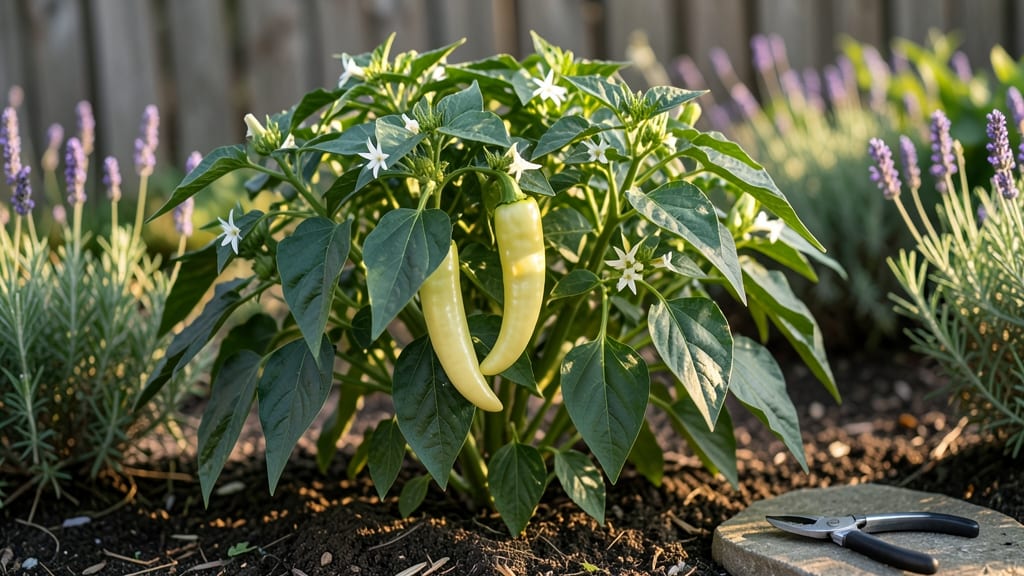
Cubanelle peppers turn from bright green to golden yellow as they ripen—this color shift is your cue to harvest. 🌱 I’ve grown these sweet, mild peppers for years, and the most satisfying moment is spotting that first yellow blush on the vine, knowing the flavor peaks right then.
Immature peppers stay vibrant green and crisp, perfect for pickling or stir-fries, while fully ripe ones deepen to sunny yellow and soften slightly. Watch for size too—mature peppers reach 3-4 inches long, but don’t wait too long or they’ll lose their signature sweetness.
The key to vibrant harvests? Consistent warmth and sunlight—Cubanelles thrive in heat zones 9-11 but can be grown in cooler areas with season extension. A single plant yields 20-30 peppers, and the more you pick, the more they produce.
For best results, harvest in the morning when flavors are strongest. Store unripe peppers in the fridge for up to a week, or freeze them for later use—just don’t let them sit too long on the vine, or you’ll miss that perfect sweet spot.
📚 In This Guide
- What you need
- Instructions
- Tips and common mistakes
- Wrapping up and next steps
What you need
- ● Cubanelle pepper seeds or seedlings: Choose Capsicum annuum varieties like ‘Cubanelle’ or ‘Italian Frying Pepper’ (10-20 seeds or 3-5 seedlings).
- ● Pro tip: Opt for heirloom or hybrid seeds labeled for color retention (e.g., yellow, orange, or green hues).
- ● Growing containers or garden bed: For containers: 5-gallon pots (minimum) with drainage holes (2-3 plants per pot).
- ● For in-ground planting: Well-draining soil in a sunny spot (6+ hours of light daily).
- ● Soil: Potting mix or garden soil amended with compost (50% soil, 50% compost ratio).
- ● Fertilizer: Balanced 10-10-10 or 5-10-10 fertilizer (follow package rates).
- ○ Optional: Slow-release organic fertilizer (e.g., worm castings or fish emulsion).
- ● Watering supplies: Watering can, hose with adjustable nozzle, or drip irrigation system.
- ○ Support structures (optional but helpful): Cage or stakes (3-4 ft tall) for bushy varieties.
- ● Trellis (for indeterminate types).
- ● Heat zones: Cubanelles thrive in USDA Zones 9-11 year-round. For cooler zones (7-8), start seeds indoors 8-10 weeks before last frost or grow in containers.
- ● Temperature: Ideal: 70–90°F (21–32°C).
- ● Minimum: 55°F (13°C) for germination.
- ● Sunlight: Full sun (6+ hours daily). Use shade cloth (30-50%) if growing in Zone 10+ to prevent sunburn on colorful peppers.
- ● Color-enhancing fertilizers: Low-nitrogen, high-phosphorus blends (e.g., 0-10-10) to boost fruiting and color intensity.
- ● pH test kit: Aim for soil pH 6.0–6.8 (use lime or sulfur to adjust).
- ● Pruning shears: For shaping plants and encouraging bushier growth (with colorful peppers!).
- ● Harvesting basket or scissors: Sharp scissors to snip peppers without damaging the plant.
How to achieve vibrant Cubanelle pepper colors in any heat zone
Here's the method I use to coax those stunning golden-green hues from Cubanelles—no matter where you garden.
🌱 Step 1: Select the Right Variety for Your Climate
Cubanelles thrive in USDA Zones 9-11 but can be grown in cooler zones with protection. For Zones 3-8, choose early-maturing varieties like 'Sweet Cubanelle' or 'California Wonder'—they ripen in 60-70 days before heat stress sets in. In Zones 9-11, you can grow year-round, but summer heat may cause color fading unless you provide afternoon shade.
I always plant seeds indoors 8-10 weeks before last frost70-75°F soil temperatures to ensure strong seedlings. Watch for first true leavesall frost risk has passed and soil warms to 65°F.
☀️ Step 2: Optimize Sunlight for Color Intensity
Cubanelles need 6-8 hours of direct sun daily for their signature golden-green color to develop fully. In Zones 3-8, use black plastic mulch to warm the soil and extend the growing season. In Zones 9-11, provide afternoon shade during peak summer (1-5 PM) to prevent color loss from heat stress.
I position plants 18-24 inches apart in rows spaced 2 feet apart to ensure good airflow and prevent disease. You'll notice the most vibrant colors when plants receive morning sun and filtered afternoon light. If leaves start yellowing, it's a sign of too much heat—adjust shading immediately.
💧 Step 3: Master Watering for Consistent Hue
Cubanelles are sensitive to moisture fluctuations, which directly affect their color. Maintain 1-1.5 inches of water weekly, delivered at the base to avoid wetting foliage. In Zones 9-11, water every 2-3 days during peak heat, while Zones 3-8 may only need weekly watering unless drought occurs.
I use a moisture meter to check soil 1 inch below the surface—when it reads dry, that's your watering signal. Overwatering causes pale, dull colors, while underwatering leads to streaky, uneven hues. Always water in the early morning to allow foliage to dry before evening, preventing fungal issues that dull the color.
✂️ Step 4: Prune Strategically for Peak Color Development
Remove any yellow or diseased leaves immediately—they sap energy from the plant and reduce vibrant color development. Pinch back the tips of young plants to encourage bushier growth, which leads to more uniform color. I also prune suckers (side shoots) that form in the leaf axils to direct energy toward fruit production.
When harvesting, always use clean, sharp pruners and cut just above a leaf node. Leave at least half the fruit on the plant at any time—overharvesting stresses the plant and dulls future pepper colors. Harvest in the morning after dew has dried for the most vibrant, fresh-looking peppers.
🌿 Step 5: Fertilize for Long-Lasting Color
Use a balanced 10-10-10 fertilizer at planting, then switch to a low-nitrogen, high-phosphorus formula (5-10-10) when flowers appear. This encourages fruiting over leafy growth, which directly impacts color vibrancy. I apply fertilizer every 4-6 weeks during the growing season, always watering before and after application.
Watch for signs of nutrient deficiency—yellowing between leaf veins indicates iron deficiency, while purple stems signal phosphorus shortage. Both issues dull pepper colors and reduce yield. In Zones 9-11, reduce winter fertilization to every 8-10 weeks as growth slows naturally.
Tips & tricks for perfect Cubanelle pepper colors
Here's what nobody tells you about keeping those peppers vibrant—these are the secrets I've learned after years of growing Cubanelles in different climates.
Soil Temperature is Everything: That 70-75°F soil temperature in Step 1 isn't just a suggestion—it's the magic number for strong seedling development. I use a soil thermometer to verify this before planting. If your soil runs cooler, try black plastic mulch to warm it up faster. In cooler zones, consider using a seedling heat mat for those first critical weeks. The difference between 68°F and 72°F soil can mean the difference between weak, pale plants and vibrant, healthy ones ready to produce stunning fruit.
Light Balance Creates the Golden Hue: The 6-8 hours of direct sun in Step 2 isn't about just any sunlight—it's about morning sun and filtered afternoon light. I've found that using shade cloth rated for 30-50% shade during peak afternoon sun (1-5 PM) in Zones 9-11 preserves that signature golden-green color while preventing heat stress. In cooler zones, make sure your plants get full morning sun—this is when they'll develop their most vibrant colors. The key is avoiding that harsh midday sun that can bleach the color right out of your peppers.
Watering Precision Prevents Color Fading: Those 1-1.5 inches of water weekly aren't just about quantity—they're about timing and technique. I've learned that watering in the early morning gives the foliage time to dry completely before evening, which prevents fungal issues that can dull the color. In Zones 9-11, I set up a drip irrigation system on a timer to deliver that water every 2-3 days during peak heat. The secret is keeping the soil consistently moist but never soggy—this consistency is what maintains that stunning golden-green hue throughout the growing season.
Fertilizer Timing Makes All the Difference: The switch from 10-10-10 to 5-10-10 fertilizer in Step 5 is crucial for color development. I've noticed that when I skip this switch, my plants produce more leafy growth than fruit, and the peppers that do form have less vibrant colors. The high-phosphorus formula encourages fruiting over foliage, which directly impacts that signature golden-green color. I also make sure to water before and after applying fertilizer—this prevents root burn that can stress the plant and dull its color potential. Think of it as giving your plants exactly what they need to focus their energy on producing beautiful, colorful peppers rather than just leaves.
Pro Tips for Cubanelle Pepper Color
- Here's what nobody tells you about keeping those peppers vibrant—these are the secrets I've learned after years of gr...
- Soil Temperature is Everything: That 70-75°F soil temperature in Step 1 isn't just a suggestion—it's the magic number...
- Light Balance Creates the Golden Hue: The 6-8 hours of direct sun in Step 2 isn't about just any sunlight—it's about ...
Frequently asked questions
Got questions about Cubanelle pepper color? You’re not alone!
Whether you're troubleshooting a pale harvest, curious about ripening stages, or wondering how to use them at their peak, we’ve got answers. Here are some of the most common queries from gardeners and chefs alike.
Why are my Cubanelle peppers turning yellow or white instead of green?
Cubanelles start green but may shift to yellow or white due to overripening or heat stress. If they’re still firm and tasty, they’re fine to use—just expect a milder flavor. If they’re mushy or bitter, they’ve passed their prime. Harvest when fully green for the classic sweet, crisp texture!
How long does it take for Cubanelle peppers to change color?
Cubanelles typically stay green from harvest to maturity, but some varieties (like ‘Golden Cubanelle’) naturally turn yellow as they ripen. This can take 2–4 weeks after reaching full size, depending on sunlight and temperature. If yours are slow to change, check for adequate sun exposure (6+ hours/day) and consistent watering.
Can I use Cubanelle peppers when they’re not fully green?
While green Cubanelles are the standard, yellow or white varieties are sweeter and perfect for roasting, stuffing, or sautéing. Even partially green peppers work—just avoid those with soft spots or wrinkles. Pro tip: Blanching them first enhances their natural sweetness!
Does temperature affect Cubanelle pepper color?
Yes! Hot climates (85°F+) can cause premature yellowing or even reddening in some varieties, while cool weather (below 60°F) may slow color changes. If your peppers are struggling, use row covers or adjust watering to stabilize soil temps. Aim for consistent warmth for vibrant green harvests.
What if my Cubanelle peppers stay green but taste bitter?
Bitter Cubanelles often signal underripe peppers or overcrowded plants competing for nutrients. Try harvesting smaller peppers earlier or thinning plants for better airflow. If bitterness persists, check your soil pH (6.0–7.0 is ideal) or switch to a sweeter variety like ‘Apache.’
Bonus Tip: Preserving Color After Harvest
To keep Cubanelles looking fresh, store them in the fridge (not the crisper) for up to 2 weeks. For long-term storage, freeze them whole or pickle them in vinegar—color stays bright, and flavor intensifies!
Wrapping up and next steps
Understanding the Cubanelle pepper color is your key to a thriving garden and flavorful harvests!
From deep green to vibrant yellow, each hue signals ripeness and flavor intensity—so keep an eye on those changes. 🌱 Whether you’re growing in a heat zone or extending the season, these tips will help you master the art of picking at peak perfection.
Ready to take the next step? Experiment with recipes—try roasting, stuffing, or grilling your Cubanelles to savor their unique sweetness. Happy growing! 🌶️