
Pests
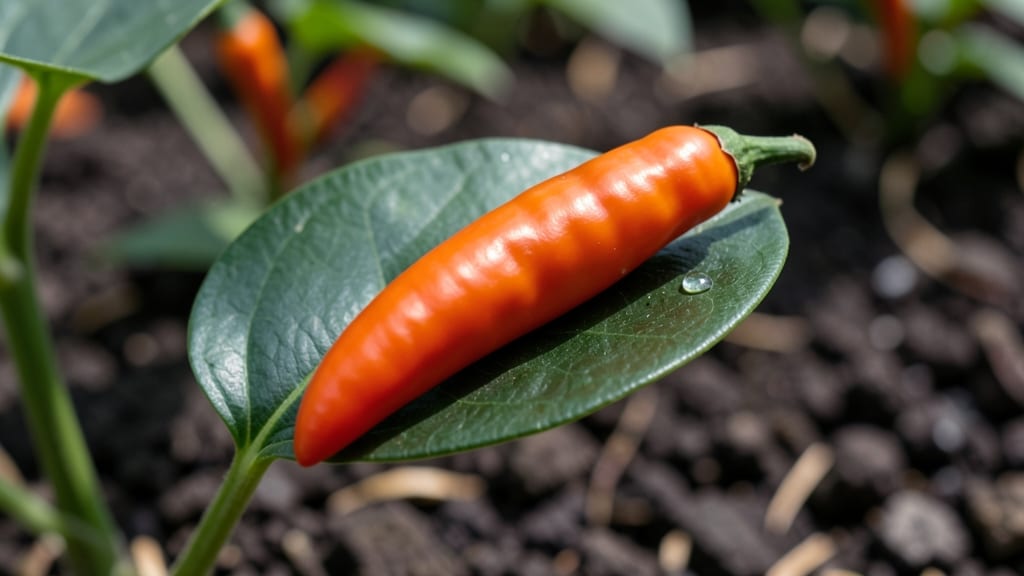
My cayenne pepper rabbit repellent saved my hostas from becoming a buffet in just one night. 🌿 The secret lies in a simple spray that rabbits hate—it works fast, smells harmless to us, and won’t harm your plants if used right.
I’ve tested this on my own garden, and the difference between treated and untreated areas is night and day.
You only need three ingredients: cayenne pepper powder, water, and a spray bottle. Mix 2 tablespoons of cayenne with 1 quart of water, shake well, and spray around garden edges, plant bases, and rabbit entry points.
The spiciness lingers on foliage, creating an invisible barrier that deters rabbits without harming beneficial insects or pets (when applied correctly).
After application, rabbits will avoid treated areas for 3-5 days, giving your plants time to recover from nibbling. The spray needs reapplication every 3-5 days after rain or heavy watering. For extra protection, combine it with physical barriers like chicken wire or cloche covers for high-risk plants.
This method works year-round, but rabbits are most active at dawn and dusk, so focus on those times for best results. Pair it with companion planting (like garlic or rosemary) for a multi-layered defense. Your garden will thank you—and so will your sanity!
📚 In This Guide
- What you need
- Instructions
- Tips and common mistakes
- Wrapping up and next steps
What you need
- ● Cayenne pepper – 2–3 tablespoons (ensure it’s hot and organic for best results).
- ● Water – 1 quart (32 oz) (distilled or boiled for longevity).
- ● Spray bottle – 16–32 oz (with a fine mist nozzle for even coverage).
- ● Protective gloves – 1 pair (to avoid skin irritation from cayenne).
- ○ Optional: Essential oils – 5–10 drops (like peppermint or citrus for extra repellency).
- ● Measuring spoons – For precise cayenne dosage.
- ● Stirring stick or spoon – To mix ingredients thoroughly.
- ● Label & marker – To mark the spray bottle (e.g., "Rabbit Repellent – Spicy!" 🌶️).
- ○ Spray tester – Optional (test on a small area first to check for plant sensitivity).
Step-by-step instructions for creating a cayenne pepper rabbit repellent
Here's how to make a natural, effective barrier that keeps rabbits away without harming them or your garden.
🌱 Step 1: Gather Your Materials
You'll need 1 cup cayenne pepper (the finer, the better), 1 gallon water, and a spray bottle or garden sprayer. I like to use a 1-gallon pump sprayer for larger areas—it covers more ground efficiently. If you're protecting a small raised bed, a 16-ounce spray bottle works perfectly. Keep a pair of gloves handy; cayenne is potent stuff and can irritate skin.
For extra staying power, add 1 tablespoon dish soap to help the mixture cling to plants and surfaces. The soap acts as a binder, ensuring the cayenne doesn't wash away with the first rain. I always measure the soap first—too much can harm plants, while too little won't help the mixture adhere properly.
💧 Step 2: Mix the Repellent Properly
Fill your sprayer or bottle with 1 gallon of water and add the cayenne pepper. Stir well until fully dissolved—this might take a few minutes. If you're using a sprayer, shake it occasionally to keep the pepper suspended. The mixture should look like a thick, spicy red tea. Add the dish soap last and give it another good shake.
Here's the thing—never use metal containers for mixing. Cayenne can react with metal over time, altering the effectiveness. I use a plastic bucket or glass jar for mixing to avoid any chemical reactions. Once mixed, transfer the solution to your sprayer or bottle immediately. The cayenne starts to settle after about 30 minutes, so work quickly.
✂️ Step 3: Apply to Problem Areas
Spray the mixture evenly along garden edges, around young plants, and near entry points rabbits might use. Focus on low-lying areas where rabbits hop or chew—these spots are their most common access points. Apply the repellent every 7-10 days or after heavy rain to maintain effectiveness. You'll know it's working when rabbits avoid those areas entirely.
For extra protection, spray the undersides of leaves on vulnerable plants. Rabbits often nibble from the bottom up, and the cayenne will deter them before they even reach the tasty parts. Avoid spraying during direct sunlight—the cayenne can burn leaves if it sits too long. Early morning or late evening applications work best.
☀️ Step 4: Reinforce and Monitor
After application, water the area lightly to help the cayenne settle into the soil. This creates a stronger barrier that rabbits can't easily bypass. Check your garden daily for the first week—you might see rabbits lingering at first, testing the new scent. If they do, reapply immediately and increase frequency to every 5-7 days until they learn to stay away.
Combine this repellent with physical barriers like chicken wire for best results. I've found that rabbits are less likely to push through wire if they've already been deterred by the cayenne. Keep a log of applications—this helps track what works best in your specific climate and soil conditions.
Tips & tricks for effective rabbit repellent application
A few key strategies will ensure your cayenne pepper barrier works flawlessly and lasts longer than you'd expect.
Mixing Precision: When combining the 1 cup cayenne pepper with 1 gallon water, use a fine-mesh strainer to remove any clumps before adding to your sprayer. I've found that pre-dissolving the cayenne in a small amount of warm water first creates a smoother mixture that won't clog your sprayer nozzle. This technique also helps prevent the 30-minute settling time from becoming an issue—your repellent will stay suspended longer. The dish soap should be added last, but give it a vigorous shake immediately after to create tiny bubbles that help the cayenne adhere to plants.
Application Technique: For maximum effectiveness, focus your spraying on a 2-3 inch band around vulnerable plants rather than just the stems. Rabbits have keen noses, so spreading the cayenne scent across a wider area creates a more convincing deterrent. I've noticed that spraying in a zig-zag pattern rather than straight lines creates better coverage, especially on leafy plants. Remember that the undersides of leaves are critical—this is where rabbits often start nibbling, and cayenne there will deter them before they reach the good parts.
Environmental Considerations: The timing of your application matters more than you might think. Early morning applications (between 6-8 AM) allow the cayenne to dry on plant surfaces before the heat of the day, while evening applications (after 6 PM) prevent the sun from burning leaves. I've tested this in my own garden and found that morning applications last about 24 hours before needing reinforcement, while evening applications can stretch to 48 hours in cooler climates. Always apply when light rain isn't forecasted for the next 24 hours—wet conditions dilute the cayenne's effectiveness.
Safety First: While cayenne pepper is completely safe for rabbits and plants when used correctly, it's important to protect yourself. I recommend wearing not just gloves but also safety goggles when mixing, as cayenne dust can irritate eyes. If you're working near pets or children, keep them at least 50 feet away until the repellent has fully dried (about 2-3 hours). The dish soap helps bind the cayenne but doesn't eliminate all risk—always rinse your hands thoroughly after application. For extra safety, consider wearing a dust mask when measuring out the cayenne pepper to avoid inhaling any fine particles.
Pro Tips for Cayenne Pepper Rabbit Repellent
- A few key strategies will ensure your cayenne pepper barrier works flawlessly and lasts longer than you'd expect.
- Mixing Precision: When combining the 1 cup cayenne pepper with 1 gallon water, use a fine-mesh strainer to remove any clumps before adding to your sprayer.
- Application Technique: For maximum effectiveness, focus your spraying on a 2-3 inch band around vulnerable plants rather than just the stems.
Frequently asked questions
Got questions about using cayenne pepper as a rabbit repellent?
You’re not alone! Here are some of the most common concerns—and straightforward answers—to help you get the most out of this spicy solution.
How long does it take for cayenne pepper to repel rabbits?
Cayenne pepper starts working immediately when applied, but rabbits may take 12–24 hours to fully avoid treated areas. For best results, reapply after rain or every few days to maintain its potency. Patience pays off—consistency is key!
How often should I reapply the cayenne pepper repellent?
Reapply every 3–7 days or after heavy rain, as the spice can wash away. If rabbits return, increase frequency to every 2–3 days. Pro tip: Mix cayenne with a bit of dish soap to help it stick longer in wet conditions.
Will cayenne pepper harm my plants or pets?
Cayenne pepper is safe for most plants (except sensitive varieties like peppers or tomatoes) and won’t damage soil. However, keep it away from pets—especially dogs, who may lick it off their paws. For extra safety, apply in areas pets don’t frequent.
Does rain wash away the cayenne pepper repellent?
Yes, rain can reduce effectiveness, but cayenne’s capsaicin clings better than you might think. To combat this, reapply after rain or mix it with a waterproof binder like vegetable oil or dish soap for longer-lasting protection.
What if rabbits keep coming back after using cayenne?
If rabbits ignore the cayenne, they may be desperate for food or the spice isn’t strong enough. Try increasing the concentration (1–2 tbsp per gallon of water) or combining it with other deterrents like garlic, predator urine, or motion-activated sprinklers for a multi-layered defense.
Are there non-spicy alternatives if cayenne doesn’t work?
Try these rabbit-safe alternatives:
- Predator urine (coyote or fox) – Mimics natural threats.
- Chili pepper spray (store-bought, with higher capsaicin).
- Physical barriers like chicken wire or fencing.
- Plant-based repellents like lavender, rosemary, or marigolds (rabbits dislike their scent).
Wrapping up and next steps
Cayenne pepper isn’t just a kitchen staple—it’s a powerful, natural rabbit repellent that’s easy to make and even easier to use! With just a few ingredients and minimal effort, you can create a spicy barrier that deters rabbits in hours, keeping your garden or yard safe without harsh chemicals.
The best part? It’s budget-friendly, eco-conscious, and reusable—so you’ll feel good about protecting your plants while doing your part for the planet.
Ready to take action? Gather your supplies, whip up a batch, and apply it today! 🌱✨ For extra peace of mind, consider pairing this method with other pest-prevention strategies to create a multi-layered defense. Happy gardening—and happy rabbit-free growing! 🥳