
Featured
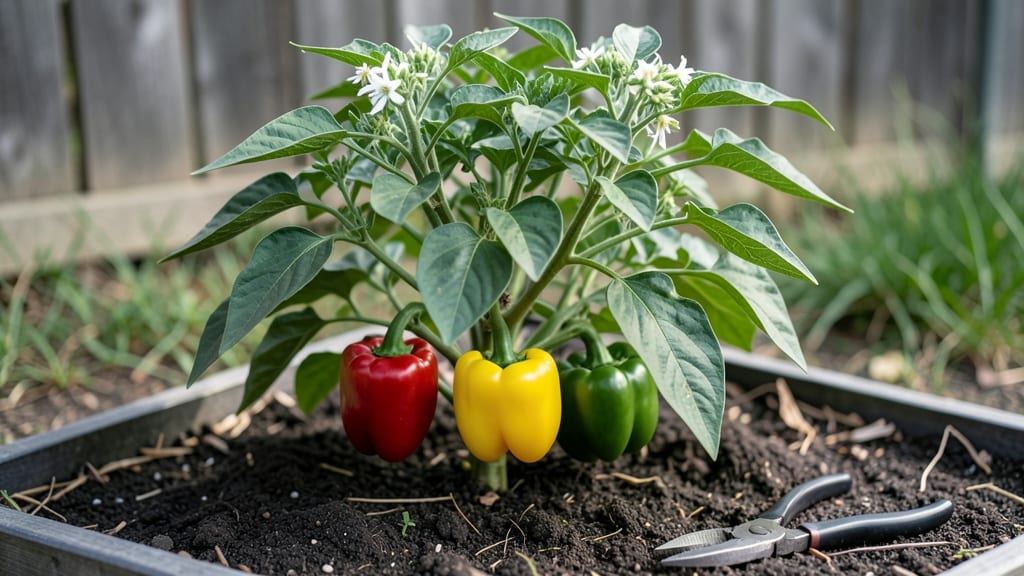
Ducks can eat bell peppers safely in moderation, as they provide vitamins A and C, but avoid feeding them spicy varieties like jalapeños or habaneros, which may irritate their digestive systems. Always serve chopped pieces without seeds or stems.
Bell peppers are a nutritious treat for ducks when prepared properly, offering essential nutrients like vitamin A for vision and vitamin C to boost their immune system. 💛 However, their digestive systems are sensitive—overfeeding can lead to upset stomachs or even obesity.
I always recommend washing peppers thoroughly to remove pesticides, then chopping them into bite-sized pieces for easier digestion. Red, yellow, and orange varieties are the safest choices, while green peppers should be fed sparingly due to their slightly higher oxalate content.
For variety, you can also offer other garden veggies like zucchini or peas, but always introduce new foods gradually. Start with small portions—about 1-2 tablespoons per duck—and monitor their reaction. If you notice any changes in their droppings or behavior, reduce the amount or stop feeding them altogether.
💡 In This Article
- Nutritional Benefits of Bell Peppers for Ducks
- Safe Ways to Feed Bell Peppers to Ducks
Nutritional benefits of bell peppers for ducks
Bell peppers are a powerhouse of nutrients for ducks, particularly rich in vitamin A (about 1,900 IU per 100g) and vitamin C (around 128mg per 100g). Vitamin A supports their vision and feather health, while vitamin C strengthens their immune system—critical for wild ducks facing seasonal illnesses.
The high potassium content (approximately 240mg per 100g) also helps maintain proper muscle function and electrolyte balance, especially during migration or cold weather. 💛
Red bell peppers stand out nutritionally, containing nearly twice the vitamin C of green peppers (which have about 96mg per 100g) and more antioxidants like lycopene. Yellow and orange varieties offer similar benefits but with slightly lower vitamin C levels.
The natural sweetness makes them appealing, while their crisp texture provides gentle dental stimulation—important for ducks whose beaks naturally wear down from foraging. However, green peppers contain more oxalates (about 10mg per 100g), which can bind calcium and potentially lead to kidney stones if fed excessively.
While bell peppers offer clear benefits, overfeeding can backfire. Ducks have sensitive digestive systems that can't process large amounts of vegetable matter efficiently. A single duck's stomach can only handle about 1-2 tablespoons of chopped pepper per day without risking diarrhea or bloating.
The high water content (around 92%) also means they provide minimal calories—feeding too much could lead to malnourishment if replacing protein-rich foods like insects or grains. Always balance treats with their regular diet to maintain proper nutrition.
Spicy varieties like jalapeños or habaneros are particularly risky. These contain capsaicin, which can irritate a duck's digestive tract, causing vomiting or even dehydration. The capsaicin levels in jalapeños average 2,500-8,000 SHU, while habaneros reach 100,000-350,000 SHU—far beyond what ducks can tolerate.
Even small amounts can trigger stress responses, making them far more dangerous than their mild counterparts. Always stick to sweet varieties when sharing garden produce with your feathered friends. ✨
Another consideration is the pepper's natural sugars (around 4-6g per 100g). While not harmful in moderation, excessive sugar intake can contribute to obesity—a growing problem in domesticated ducks.
Obese ducks face higher risks of joint issues and reduced mobility, making portion control especially important for pet ducks with limited exercise opportunities. Think of bell peppers as a colorful supplement rather than a dietary staple.
The vitamin C in bell peppers also plays a crucial role in collagen synthesis, helping maintain healthy skin and feather quality. This is particularly valuable during molting seasons when ducks require extra protein and nutrients to regrow feathers.
However, ducks can't store vitamin C like humans, so regular small servings are more beneficial than occasional large portions. A weekly treat of chopped bell peppers can make a noticeable difference in their overall vitality and appearance. 🌟