
Pruning
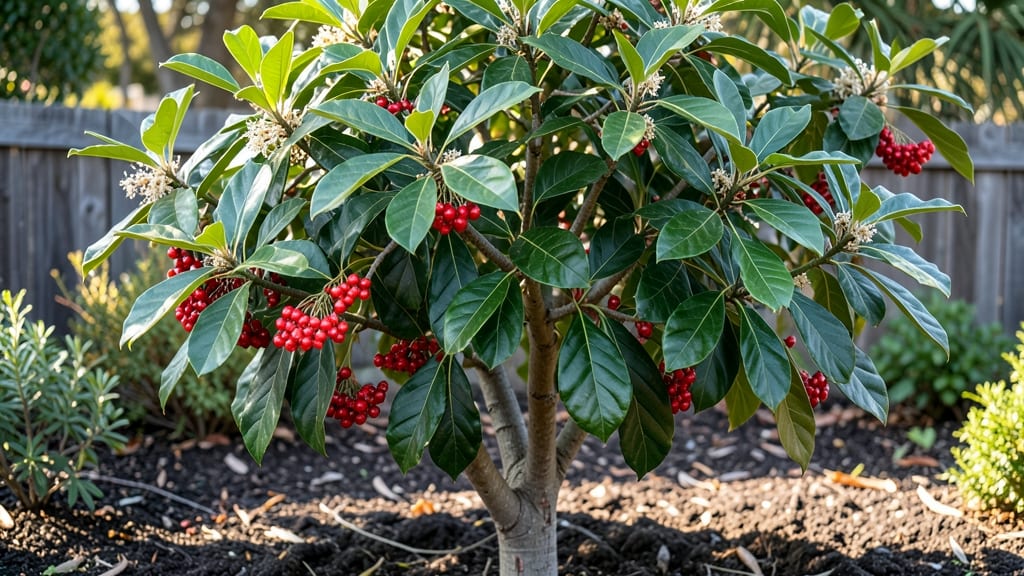
Pruning your Brazilian peppercorn tree isn't just about shaping—it's the secret to bushier growth and better harvests. 🌿 I've learned the hard way that skipping pruning means leggy branches and fewer peppercorns, but the right cuts transform this tree into a dense, productive powerhouse year-round.
The key is timing: light pruning after harvest keeps it tidy, while heavy shaping in late winter (before new growth) encourages thick, bushy branches. Just avoid cutting into old wood—new growth is where the magic happens for both foliage and peppercorns.
You'll end up with a tree that looks like a lush hedge while still producing those prized red berries. The best part? Proper pruning makes it easier to spot pests early, so you can tackle them before they spread.
Works in zones 9-11, but even in cooler climates, container growing lets you bring it indoors for winter. Here's how to do it right without turning your tree into a bare stick.
📚 In This Guide
- What you need
- Instructions
- Tips and common mistakes
- Wrapping up and next steps
What you need
- ● Pruning shears – Bypass pruners (for small branches, ¼" to ½" thick)
- ● Loppers – Long-handled (for medium branches, ½" to 2" thick)
- ● Pruning saw – Curved blade (for thick branches, 2"+ thick)
- ● Disinfectant – Rubbing alcohol (70%+) or bleach solution (1 part bleach to 9 parts water) (to sterilize tools)
- ● Gloves – Heavy-duty, cut-resistant (protection against thorns and sap)
- ○ Garden twine or zip ties – (optional, for supporting new growth)
- ● Trash bags or bucket – (for collecting pruned branches)
- ● Hand pruners – For precision trimming of tiny branches
- ● Pole saw – If your tree is tall and branches are out of reach
- ● Tree wound pruning sealant – (controversial but some swear by it for large cuts)
- ● Notebook & pen – To sketch your pruning plan or track growth
- ● Safety glasses – If working with large branches that may snap
Step-by-Step pruning guide for a bushy Brazilian peppercorn tree
Here’s how I keep my Brazilian peppercorn tree lush and full—no matter the season.
✂️ Step 1: Prune in Late Winter for Structural Shape
Start by removing any dead, diseased, or crossing branches in late winter (just before new growth begins). I grab my bypass pruners and cut just above a leaf node or outward-facing bud—this encourages outward growth. Look for branches growing inward or rubbing against others; these compete for energy and should go first.
Thin out about 20-30% of the canopy to improve airflow and sunlight penetration. The goal is to open up the center so light reaches all branches. If your tree looks leggy, prune back one-third of the longest branches to stimulate bushier growth. Always sterilize your tools with rubbing alcohol between cuts to prevent disease spread.
🌿 Step 2: Light Pruning in Spring for New Growth
Once new leaves appear in early spring, do a lighter pruning to shape the tree. Focus on pinching back the tips of new shoots to encourage branching. I use my fingers to pinch off the top 1-2 inches of soft growth—no need for tools here. This trick forces the plant to send out multiple side shoots instead of one long stem.
Watch for water sprouts (thin, vertical shoots) and remove them completely. These steal energy from the main structure. After pruning, give the tree a balanced fertilizer (like 10-10-10) to support new growth. You’ll see bushier foliage within 4-6 weeks if the tree gets full sun (6+ hours daily).
☀️ Step 3: Summer Maintenance for Airflow and Fruit
During summer, prune only to remove overly dense clusters or branches blocking sunlight. Use your pruners to trim back one-third of any branch that’s growing too thick. The key here is selective thinning—never remove more than 10% of the foliage at once. Brazilian peppercorn trees produce fruit on new wood, so avoid heavy pruning now.
After each cut, inspect the wound. If it’s larger than ½ inch, seal it with pruning sealant to prevent disease. I also check for pests (like scale or aphids) during this time—spray with neem oil if needed. Keep an eye out for yellowing leaves, which could signal overwatering or nutrient deficiency.
⏰ Step 4: Final Pruning in Early Fall for Winter Prep
In early fall, do a final light pruning to remove any weak or damaged branches before winter. Focus on shaping the outer edges to maintain a natural, rounded form. Avoid heavy cuts now—you want the tree to harden off before cold weather. If your tree is in a cooler climate, prune slightly later (around October) to allow more time for new growth to mature.
After pruning, mulch the base with 2-3 inches of organic mulch (like shredded bark) to protect roots. Water deeply but let the soil dry slightly before winter—this prevents root rot. If your tree is in a container, move it to a sheltered spot or bring it indoors if temperatures drop below 25°F.
Tips & tricks for year-round Brazilian peppercorn tree care
These simple strategies will help you maintain a thriving, bushy Brazilian peppercorn tree through every season.
Seasonal Timing Matters: The late winter pruning in Step 1 is your foundation—this is when you remove up to 30% of the canopy to create airflow and sunlight access. I always check my local frost dates to confirm I'm pruning just before new growth begins. If you're in a warmer climate, you might start slightly earlier, but never prune during active growth. The goal is to shape the tree while it's dormant, so it can focus energy on new growth in spring.
Pinching Technique for Bushier Growth: In Step 2, when you're pinching back those 1-2 inch tips, focus on the healthiest new shoots. I like to do this on a cloudy day when the tree isn't stressed by direct sun. The key is consistency—do this every 2-3 weeks during spring growth to encourage multiple branches. Think of it like training a vine to grow outward rather than upward.
Summer Pruning Precision: During summer maintenance (Step 3), remember that selective thinning is about quality, not quantity. Never remove more than 10% of the foliage at once—that's crucial for maintaining the tree's energy reserves. I use a small notepad to track which branches I've pruned each year to avoid over-pruning the same areas. Also, when sealing wounds larger than ½ inch, use a pruning sealant specifically formulated for trees—not household glue!
Winter Protection Strategy: For trees in containers, that 25°F threshold is critical. I've learned this the hard way—once when I left a potted tree outside during a 20°F night, and it lost half its foliage. If you're in doubt, move your container tree to a sheltered spot like a garage or under an eave. For in-ground trees, that 2-3 inch mulch layer is your best friend—it acts like a blanket to protect roots from temperature swings.
Pro Tips for Brazilian Peppercorn Tree
- These simple strategies will help you maintain a thriving, bushy Brazilian peppercorn tree through every season.
- Seasonal Timing Matters: The late winter pruning in Step 1 is your foundation—this is when you remove up to 30% of th...
- Pinching Technique for Bushier Growth: In Step 2, when you're pinching back those 1-2 inch tips, focus on the healthi...
Frequently asked questions
Got questions about pruning your Schinus terebinthifolius (Brazilian peppercorn tree)?
Here are answers to the most common ones—so you can keep your tree thriving year-round!
When is the best time to prune a Brazilian peppercorn tree?
The ideal time is late winter or early spring (just before new growth starts). However, light pruning for shape or deadwood removal can be done anytime, except during extreme heat or frost. Avoid heavy pruning in summer, as it stresses the tree.
How much can I trim back without harming the tree?
You can safely remove up to 1/3 of the tree’s foliage in a single session. For mature trees, prioritize thinning (selective branch removal) over heavy cutting. Over-pruning can reduce fruit production and weaken the tree—so go easy!
Will pruning affect the peppercorn harvest?
Yes! Heavy pruning reduces fruit yield since flowers (and later berries) grow on new wood. If you love the spicy berries, limit pruning to structural shaping and remove only dead/diseased branches. For maximum harvest, prune minimally in spring.
My tree has invasive roots—how do I control them?
Brazilian peppercorn trees spread aggressively! To manage roots:
- Install a deep root barrier (2–3 feet underground) to block lateral spread.
- Dig up and remove suckers (sprouts) regularly.
- Mulch heavily around the base to compete with weeds and suppress regrowth.
Pro tip: Wear gloves—sap can irritate skin!
Can I prune a young Brazilian peppercorn tree the same way?
Young trees (under 3 years) need gentle guidance, not heavy cuts. Focus on:
- Removing crossing branches to improve airflow.
- Trimming low-hanging limbs to encourage upward growth.
- Avoiding "topping" (cutting the main stem)—it stunts development.
Prune lightly in early spring to shape as it grows.
Wrapping up and next steps
Pruning your Brazilian peppercorn tree doesn’t have to be a seasonal chore—with the right techniques, you can keep it lush and thriving year-round! 🌿 Whether you’re trimming for shape, health, or harvest, consistency is key.
Start small, stay patient, and watch your tree reward you with vibrant foliage and bountiful peppercorns.
Ready to take the next step? Grab your tools, pick a sunny day, and give your tree the care it deserves! 🌟 For extra inspiration, check out pruning timelines or join gardening communities to share your progress.