
Companion Plants
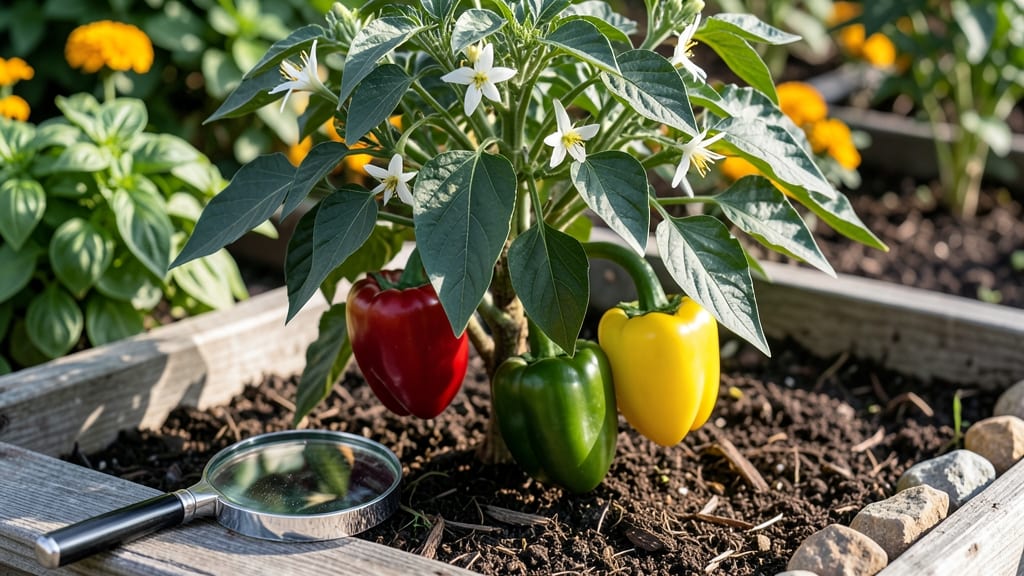
Those jagged black streaks on your pepper plants aren’t just ugly—they’re a warning sign that could ruin your harvest if ignored. 🌶️ I’ve seen this magnesium deficiency (or bacterial spot) turn vibrant green plants into sad, streaked shadows in just days, but there’s a quick fix that works if you act fast.
The streaks start small—tiny black dots on leaves or fruits that spread like ink in water. Some look fuzzy, others stay crisp, but all signal the same problem: a hungry plant or an unwelcome bacterial party. The good news?
You can often stop it in its tracks with simple fixes like Epsom salt sprays or copper-based treatments that won’t harm your peppers. By day three, you’ll see the streaks slow down or disappear completely—if you catch it early.
The key is acting fast, cleaning up fallen leaves, and giving your plants the right nutrients before the problem spreads to your neighbors’ gardens. This works for both magnesium deficiency and bacterial spot, so don’t wait until your peppers look like they’ve been finger-painted by a toddler.
Let’s get those plants healthy again!
Root Causes Behind Black Streaks
Black streaks on your pepper plants are often a cry for help—your plants are trying to tell you something is off! Understanding the root causes is the first step to saving your harvest.
Below, we break down the most common reasons why these unsightly marks appear, along with the science behind them.
Fungal pathogens like Alternaria or Phytophthora thrive in warm, humid conditions and can leave dark, streaky lesions on pepper leaves and stems. These fungi often enter through wounds (like pruning cuts or insect bites) or via contaminated soil and tools.
How it happens:
- Alternaria solani (early blight) causes concentric rings or dark streaks, often starting at the leaf edges.
- Phytophthora capsici (Phytophthora blight) spreads in waterlogged soil, leading to oily, black streaks that spread rapidly.
- Botrytis cinerea (gray mold) thrives in high humidity, creating fuzzy black streaks, especially on older leaves.
🔍 Look for:
- Dark, sunken streaks with yellow halos.
- Fuzzy or moldy growth on affected areas.
- Rapid spread in damp, shaded conditions.
Bacterial infections, such as Xanthomonas campestris (bacterial spot), can create black, water-soaked streaks that ooze bacteria when touched. These pathogens spread via wind, water splashes, or contaminated pruning tools.
How it happens:
- Bacteria enter through stomata (leaf pores) or wounds, multiplying in moist conditions.
- Infected leaves develop small, dark spots that merge into streaks, often with a yellow border.
- Severe cases lead to defoliation and fruit blemishes.
🔍 Look for:
- Tiny black spots that enlarge into streaks.
- Sticky, bacterial ooze on lesions.
- Rapid progression in rainy or overhead-watered gardens.
While not always the first culprit, magnesium deficiency (often confused with fungal issues) can cause black or brown streaks between leaf veins, especially on older leaves. Magnesium is crucial for chlorophyll production, and a lack of it disrupts photosynthesis.
How it happens:
- Overwatering or poorly drained soil flushes out magnesium.
- High potassium or calcium levels can block magnesium uptake.
- Sandy or acidic soils naturally lack this essential mineral.
🔍 Look for:
- Interveinal blackening or streaking (veins stay green).
- Yellowing between veins (chlorosis) before streaks appear.
- Stunted growth or weak stems.
Extreme heat, sudden temperature swings, or inconsistent watering can weaken pepper plants, making them susceptible to stress-related black streaks. While not a direct cause, stress lowers defenses, inviting fungal or bacterial invaders.
How it happens:
- Overwatering creates anaerobic soil, promoting root rot and fungal growth.
- Underwatering causes wilting, leading to sunburn or bacterial entry points.
- High humidity without airflow traps moisture, ideal for fungal spores.
🔍 Look for:
- Streaks appearing after heatwaves or heavy rains.
- Wilting or crispy leaf edges alongside black marks.
- Slow recovery despite consistent care.
Insects (like aphids or spider mites), hail, or rough handling can create wounds that turn black due to secondary infections. Even bird pecks or wind damage can leave entry points for pathogens.
How it happens:
- Insects feed on sap, weakening tissue and inviting fungi/bacteria.
- Physical trauma disrupts the plant’s protective barrier.
- Contaminated tools or hands spread pathogens during pruning.
🔍 Look for:
- Streaks near chewed edges or punctures.
- Clusters of damage in high-traffic areas (e.g., near walkways).
- Increased issues after storms or pest outbreaks.
💡 Pro Tip: To diagnose accurately, examine the streaks under a magnifying glass or use a clean knife to scrape a small lesion. If you see moldy growth, it’s fungal.
If it’s oozy or slimy, it’s bacterial. For nutrient issues, check the leaf pattern (interveinal vs. random streaks).
Quick Fixes for Pepper Plant Streaks
Black streaks on your pepper plants can be frustrating, but don’t worry—most causes have simple, effective solutions. Below, we’ve mapped out practical fixes for each likely culprit, along with prevention tips to keep your plants thriving.
Whether it’s nutrient issues, pests, or environmental stress, these steps will help you revive your peppers in days and prevent future problems.
If the streaks appear yellowish-brown or black along leaf edges or veins, your plants are likely crying out for magnesium—a key nutrient for chlorophyll production.
🍳 Step 1: Apply Epsom Salt (Fastest Fix)
Magnesium sulfate (Epsom salt) is a go-to remedy for deficiency.
Here’s how to use it: - Mix 1 tablespoon of Epsom salt per gallon of water (for small pots) or 2 tablespoons per gallon (for larger containers). - Spray the solution directly on leaves (especially undersides) or water the soil at the base. - Repeat every 2–3 weeks until streaks fade (usually 3–5 days for visible improvement).
> 💡 Pro Tip: For severe cases, add 1 teaspoon of Epsom salt per plant to the soil and water thoroughly. Avoid overdoing it—too much magnesium can block calcium absorption.
🌱 Step 2: Boost Soil Magnesium Long-Term
If your soil is chronically deficient, amend it with:
- Compost or well-rotted manure (adds organic magnesium).
- Dolomitic lime (if your soil is acidic—test pH first!).
- Banana peels (soak in water for 24 hours, then use as fertilizer—potassium + magnesium boost!).
> 🔥 Prevention Tip: Test your soil every 2–3 years—most garden centers offer cheap kits. Aim for a pH of 6.0–6.8 for peppers.
If the streaks are black, sticky, or accompanied by wilting, you may be dealing with fungal or bacterial issues like anthracnose, bacterial leaf spot, or sooty mold.
👨🍳 Step 1: Prune and Sterilize
- Cut off infected leaves with sterilized scissors (wipe with rubbing alcohol between cuts).
- Remove and destroy (don’t compost!) severely affected foliage to prevent spread.
🧴 Step 2: Apply Fungicide or Bacterial Spray
- For fungal issues (dry, powdery streaks):
- Copper fungicide (follow label instructions).
- Neem oil spray (1 tsp neem oil + 1 tsp mild soap per quart of water—spray every 7–10 days).
- For bacterial issues (wet, slimy streaks):
- Copper-based bactericide (e.g., Copper Soap).
- Baking soda spray (1 tsp baking soda + 1 quart water + few drops of soap—spray every 10 days).
> ✨ Prevention Tip: Improve air circulation—space plants 18–24 inches apart and prune for airflow. Water in the morning (not at night) to let leaves dry quickly.
Black streaks can also signal stress from improper watering or extreme temperatures.
💧 Step 1: Check Your Watering Routine
- Overwatering? Let the top 1–2 inches of soil dry between waterings.
- Underwatering? Water deeply 1–2 times per week (peppers hate soggy roots but also dry spells).
- Use drip irrigation (not overhead watering) to prevent fungal growth.
🌡️ Step 2: Shield from Heat Stress
- Move pots to a spot with partial shade if temperatures exceed 90°F (32°C).
- Mulch around plants with straw or wood chips to retain moisture and regulate soil temp.
> 🎯 Prevention Tip: Monitor humidity—peppers thrive in 40–60% humidity. Use a dehumidifier in greenhouses or fan leaves gently to improve airflow.
If you spot tiny bugs (aphids, spider mites, or thrips) along with streaks, pests may be feeding on sap, leading to blackened or distorted leaves.
🔪 Step 1: Blast Off Pests
- Spray with soapy water (1 tsp mild dish soap + 1 quart water—test on a small leaf first!).
- Introduce beneficial insects (ladybugs, lacewings, or predatory mites).
- Use neem oil (1 tbsp per quart of water) as a repellent and growth booster.
🌿 Step 2: Prevent Future Infestations
- Inspect new plants before bringing them indoors.
- Remove weeds (they harbor pests).
- Rotate crops if growing peppers in the same spot yearly.
> 💡 Pro Tip: Sticky traps (yellow cards) can catch flying pests like whiteflies before they damage leaves.
| Issue | Quick Fix | Prevention |
|---|---|---|
| Magnesium deficiency | Epsom salt spray + compost | Soil test, banana peels, dolomitic lime |
| Fungal/bacterial | Prune + copper fungicide | Airflow, morning watering |
| Over/under watering | Adjust routine + mulch | Drip irrigation, moisture monitoring |
| Pest damage | Soapy water spray + beneficial bugs | Inspect plants, remove weeds |
Your peppers should show improvement within 3–5 days if you tackle the root cause. Keep an eye on them, adjust as needed, and soon you’ll be harvesting plump, streak-free peppers! 🌶️💚
Frequently asked questions
Why do my pepper leaves show black streaks between veins but stay green along the veins?
This classic pattern is almost always magnesium deficiency. The veins stay green because they transport nutrients, while the tissue between them lacks magnesium for chlorophyll production. Check older leaves first—they show symptoms before younger ones. Try a 1-tablespoon Epsom salt per gallon spray immediately.
Are black streaks on my pepper fruits the same issue as on the leaves?
Not always! Fruit streaks often signal bacterial spot (from Xanthomonas) or fungal infections like anthracnose. Unlike leaf streaks, these are usually raised, oozy, or accompanied by yellow halos. Prune infected fruit immediately and spray with copper fungicide—don’t compost the removed fruit to prevent spread.
Can I still eat peppers with black streaks if they don’t look moldy?
It depends! If the streaks are from magnesium deficiency, the fruit is safe to eat (just less appealing). But if they’re from bacterial spot or fungal infections, avoid eating the streaked areas—some pathogens can cause foodborne illness. When in doubt, peel and discard the streaked skin before cooking.
Will removing all infected leaves stop the black streaks from spreading?
Pruning helps, but it’s not enough alone! You must also sterilize tools (rubbing alcohol) and treat the remaining plant with copper fungicide or neem oil. The key is breaking the infection cycle—remove debris, improve airflow, and water at soil level (not overhead) to prevent spores from splashing.
How do I know if my pepper plants have black streaks from stress vs. disease?
Stress-related streaks appear after heatwaves, drought, or overwatering and often look dry and crispy at the edges. Disease streaks are usually soft, oozy, or fuzzy and spread rapidly. Test for disease by gently scraping a streak—if it’s slimy, it’s bacterial; if powdery, it’s fungal. Adjust watering first, then treat accordingly.