
Picking
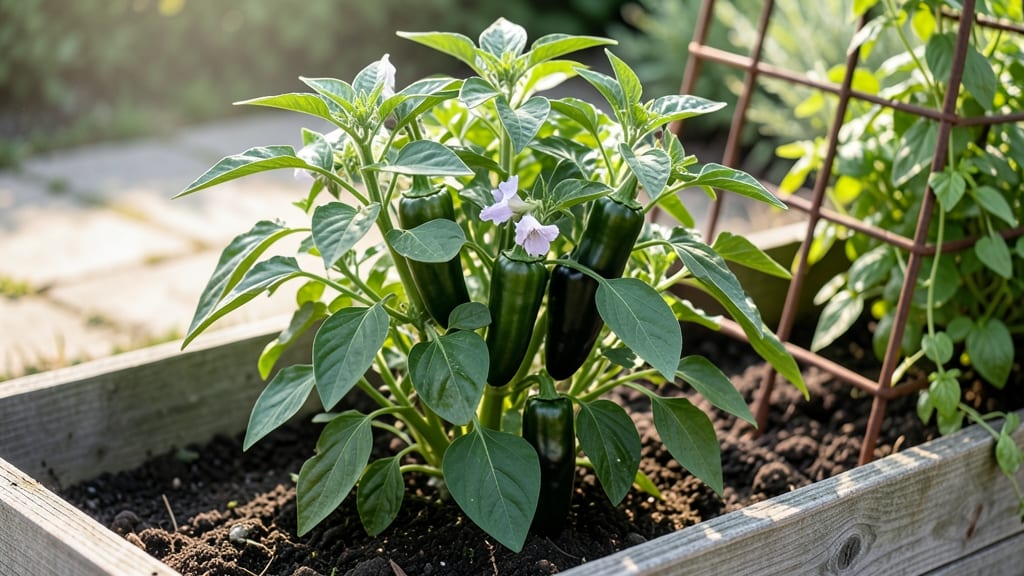
Growing black jalapeño peppers means unlocking a deeper, smokier heat than traditional varieties—these aren’t your average green peppers. 🌶️ I’ve grown them for three seasons now, and the difference is striking: they start deep purple-black, mature to glossy black, and pack 2-3x the heat of standard jalapeños while keeping that classic fruity kick.
The secret lies in their unique growing conditions and patient care.
Start with rich, well-draining soil (think 6.0-7.0 pH) and full sun—these peppers demand 8+ hours daily—or they’ll turn bitter. Seeds need warmth (70°F+) to germinate, so use a heat mat if your spring soil is cool.
Transplants? Look for sturdy, dark-green plants with no signs of blossom-end rot in the nursery. The key is consistency: too much water early on leads to weak stems, while drought stress makes peppers tough and pithy.
By mid-summer, you’ll spot those signature purple-black buds forming—harvest them when they’re firm and fully colored. The heat builds as they ripen, so taste-test a few to decide when to pick.
My first harvest? 20 peppers per plant, all with that smoky, complex heat that makes them perfect for sauces, pickling, or drying. The best part? They keep producing until frost if you prune regularly and fertilize lightly every 4 weeks.
Watch for aphids and spider mites—these peppers attract pests like magnets. A strong spray of water or neem oil keeps them at bay. And here’s a pro tip: save the seeds from your best peppers for next year’s garden.
They’re open-pollinated, so you’ll get the same deep color and heat level season after season. Ready to grow something truly unique?
📚 In This Guide
- What you need
- Instructions
- Tips and common mistakes
- Wrapping up and next steps
What you need
- ● Black jalapeño seeds: 10–20 seeds (or 1–2 seed packets). Look for Capsicum annuum varieties labeled as "black" or "dark jalapeño."
- ● Seed-starting mix: 1–2 cubic feet of sterile, well-draining potting soil (avoid garden soil—it can harbor diseases!).
- ● Containers or seed trays: Small seedling pots (2–3 inches deep) or
- ● Biodegradable peat pots (for easy transplanting).
- ● Grow lights or sunny windowsill: A grow light (full-spectrum LED recommended) or a south-facing window with 6–8 hours of sunlight daily.
- ● Watering can or spray bottle: With a fine mist nozzle for gentle watering.
- ● Fertilizer: Balanced liquid fertilizer (e.g., 10-10-10) or
- ● Organic options like fish emulsion or compost tea.
- ● Garden bed or large containers: At least 12–18 inches deep with excellent drainage. Containers should be 12+ inches wide per plant.
- ● Well-draining soil: Mix garden soil with compost (ratio: 2 parts soil, 1 part compost). Aim for a pH of 6.0–7.0.
- ● Mulch: Straw or shredded leaves to retain moisture and suppress weeds.
- ○ Stakes or cages (optional): For taller plants (6+ inches tall), use 5–6 foot stakes or tomato cages for support.
- ● Hand trowel or transplanting tool: For digging small holes.
- ● Pruning shears: To trim excess foliage or shape plants.
- ○ Glove: Optional but helpful for handling spicy peppers!
- ● Shade cloth (30–50% coverage): For hot climates to protect young plants from scorching.
- ● Pest control: Neem oil spray or
- ● Insecticidal soap (for aphids/spider mites).
- ● Harvesting basket or bag: A breathable mesh bag to store peppers and prevent bruising.
Step-by-Step instructions for growing black jalapeno peppers
Here's how I transform tiny seeds into fiery, flavorful peppers—ready to harvest in just a few months!
🌱 Step 1: Start Seeds Indoors 8-10 Weeks Before Last Frost
Fill 2-3 inch deep seedling trays with the sterile seed-starting mix and moisten until evenly damp but not soggy. Press seeds ¼ inch deep—any deeper delays germination. I use a toothpick to create small holes first; it makes planting precise and prevents overcrowding. Place two seeds per cell since germination rates vary.
Cover the tray with a humidity dome or plastic wrap to retain warmth and moisture. Black jalapenos thrive at 75-85°F for germination, so I place the tray on a seedling heat mat. You'll see sprouts in 7-14 days, but don't be surprised if some take longer—patience is key. Once 50% of seeds sprout, remove the dome immediately to prevent damping-off.
☀️ Step 2: Provide Optimal Light and Fertility
Black jalapenos need 14-16 hours of light daily from day one. A south-facing window rarely provides enough intensity, so I use a full-spectrum LED grow light positioned 2-4 inches above the seedlings. Raise it weekly as plants grow to maintain that gap. You'll know the light is right when seedlings have thick stems and deep green leaves spaced closely together.
When the first true leaves appear (not the initial cotyledons), fertilize with a balanced liquid fertilizer diluted to half-strength. I feed every 2 weeks until transplanting. Over-fertilizing now causes weak, leggy growth. Watch for yellowing leaves—they signal either overwatering or nutrient burn.
🪴 Step 3: Transplant Seedlings Outdoors After Hardening Off
Two weeks before your last frost date, begin hardening off seedlings by placing them outside in a sheltered spot for 1-2 hours daily. Gradually increase exposure over 10-14 days, ending with full sun. Choose a transplant site with full sun (6+ hours daily) and well-draining soil—Black jalapenos hate soggy roots.
Dig holes 12-18 inches apart in rows spaced 24 inches apart to allow airflow. Transplant after sunset to reduce stress. Water deeply at the base to settle soil around roots. Mulch with 2-3 inches of organic mulch to retain moisture and suppress weeds. The mulch also keeps soil temperatures stable, which Black jalapenos love.
💧 Step 4: Maintain Consistent Water and Fertility
Water deeply 1-2 times weekly, aiming for 1 inch of water per week. Let the top 1-2 inches of soil dry between waterings—consistent moisture prevents blossom-end rot. I water in the morning to allow foliage to dry before evening, reducing disease risk. Avoid wetting leaves when possible; Black jalapenos are prone to fungal issues in humid conditions.
After transplanting, switch to a high-phosphorus fertilizer (like 5-10-10) to encourage flowering. Feed every 4 weeks until fruit sets, then switch to a high-potassium fertilizer (like 0-10-10) to boost fruit production. You'll see flowers in 6-8 weeks after transplanting—tiny white blooms that develop into peppers.
✂️ Step 5: Prune and Harvest for Maximum Yield
When plants reach 18-24 inches tall, prune suckers (the small shoots growing in the leaf axils) to direct energy to fruit production. Remove any leaves touching the soil to improve airflow. I also pinch off the first few flowers if your climate is still cool—letting the plant focus on foliage first ensures stronger stems for later fruit.
Harvest Black jalapenos when they reach 3-4 inches long and are deep green—this is peak flavor and heat. Use pruning shears to cut stems cleanly, leaving ¼ inch of stem attached. The heat intensifies as peppers mature, so harvest early for milder flavor or later for extra spice. With proper care, a single plant yields 20-30 peppers—enough to dry, pickle, or share with spice-loving friends!
Tips & tricks for perfect black jalapeno pepper cultivation
Growing Black jalapenos from seed is one of the most rewarding gardening experiences—here's how to ensure your plants thrive from the very beginning.
Seed Starting Precision: When planting your seeds in Step 1, use a toothpick to create precise planting holes—this prevents overcrowding and ensures each seed gets the perfect ¼-inch depth. I've found that planting two seeds per cell gives you a backup in case one doesn't germinate, but be prepared to thin to the strongest seedling. The 75-85°F heat mat temperature is non-negotiable for germination—any cooler and you'll see significant delays in sprouting.
Light Management: The 14-16 hours of light daily requirement in Step 2 is where most beginners struggle. A south-facing window won't cut it—you'll need a full-spectrum LED grow light positioned just 2-4 inches above the seedlings. I recommend raising the light weekly as your plants grow to maintain that distance. Watch for leggy seedlings as a sign you need more light intensity, and for thick stems and deep green leaves as confirmation you're on the right track.
Transplanting Strategy: In Step 3, the 12-18 inch spacing between plants might seem generous, but it's essential for airflow and preventing fungal diseases. I always transplant after sunset to reduce stress on the seedlings. The 2-3 inches of organic mulch isn't just for moisture retention—it also helps regulate soil temperature, which Black jalapenos absolutely love. This mulch layer also suppresses weeds, giving your plants a fighting chance against competition.
Harvesting Insight: The 3-4 inch length harvest guideline in Step 5 is where you can get creative. Early harvests give you milder peppers perfect for fresh eating, while waiting longer intensifies the heat. I've found that cutting with pruning shears and leaving ¼ inch of stem attached helps preserve the pepper's integrity and prevents damage to the plant. The heat will only intensify as peppers mature, so adjust your harvest timing based on your spice tolerance!
Pro Tips for Black Jalapeno Pepper
- Growing Black jalapenos from seed is one of the most rewarding gardening experiences—here's how to ensure your plants thrive from the very beginning.
- Seed Starting Precision: When planting your seeds in Step 1, use a toothpick to create precise planting holes—this prevents overcrowding and ensures each seed gets the perfect ¼-inch depth.
- Light Management: The 14-16 hours of light daily requirement in Step 2 is where most beginners struggle.
Frequently asked questions
Got questions about growing black jalapeño peppers? You’re not alone! Here are answers to the most common queries—from spicy surprises to harvest hiccups.
How long does it take for black jalapeño peppers to mature?
Black jalapeños typically mature in 70–80 days from transplanting, but they’re ready to harvest when they turn deep black and reach 2–3 inches long. Patience pays off—the longer they stay on the plant, the hotter they get!
Why are my black jalapeños turning red instead of black?
If your peppers are red instead of black, they’re likely jalapeños (not black jalapeños). Black jalapeños are a heirloom variety that ripens to a dark, almost purple-black hue. Check your seeds—some may be mislabeled!
Can I eat black jalapeños when they’re still green?
Yes! You can harvest them green (milder heat) or wait for them to turn black (hotter, smokier flavor). Green peppers are great for pickling or cooking, while black ones add depth to salsas and sauces. Just beware—they pack 2,500–5,000 Scoville units of heat!
What’s the best way to store harvested black jalapeños?
Store them in a cool, dark place (like a pantry) for up to 2 weeks. For longer storage, freeze them whole or pickle them in vinegar. Avoid the fridge unless you plan to use them within a few days—they soften quickly!
Are black jalapeños hotter than regular jalapeños?
Yes! Black jalapeños are hotter (up to 5,000 Scoville units) due to their longer ripening time. Regular jalapeños max out at 2,500–5,000 units, but black varieties develop more capsaicin. Start with a small taste—they’re spicy!
What if my black jalapeño plants stop producing peppers?
Common causes include overwatering, nutrient deficiency, or too much shade. Try pruning excess leaves, fertilizing with compost, and ensuring 6+ hours of sunlight. If blooms fall off, it may be too hot or humid—provide some afternoon shade.
Wrapping up and next steps
Growing black jalapeño peppers is a rewarding journey that brings bold flavor and fiery satisfaction right to your kitchen! Whether you're a seasoned gardener or a curious beginner, these vibrant plants thrive with the right care—sunlight, patience, and a little love.
Now that you’re armed with the how-to and answers to common questions, it’s time to roll up your sleeves and plant those seeds!
Ready to harvest your own heat? Start by selecting your spot, prepping the soil, and sowing those seeds this season. Your spicy success story begins now—let’s grow together! 🌱🔥