
Companion Plants
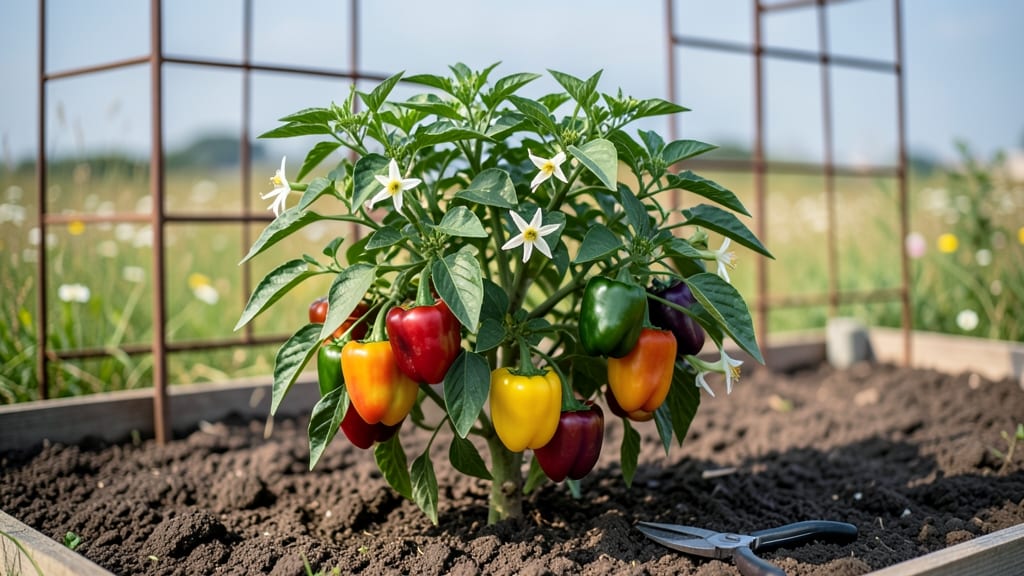
Big Bertha bell pepper plants deliver foot-long monsters that outshine every other variety in my garden. 🌶️ These heat-loving giants thrive where smaller peppers wilt, producing sweet, thick-walled fruits that stay crisp even after days on the vine.
The secret? Starting them early indoors, giving them room to sprawl, and protecting them from late-season pests that target their massive foliage.
You’ll need a 6-foot-tall cage or sturdy trellis (they grow 3-4 feet tall), well-draining soil mixed with compost, and consistent moisture—never soggy roots. Plant after your last frost in full sun, spacing them 18-24 inches apart to prevent crowding.
The first harvest arrives in 80-90 days, but with proper care, you’ll get peppers until frost.
What makes Big Berthas special is their year-round potential in warm climates—extend the season with row covers or grow them in containers near a sunny wall.
The flavor? Rich, slightly sweet, and perfect for stuffing or slicing raw. Just watch for hornworms—their favorite snack—and handpick them before they skeletonize your plants.
Pro tip: Pair them with basil, marigolds, or onions to deter pests naturally. These peppers reward patience with more fruit per plant than any other bell type. Start a few this season—your dinner plate will thank you.
📚 In This Guide
- What you need
- Instructions
- Tips and common mistakes
- Wrapping up and next steps
What you need
- ● Big Bertha bell pepper seeds – 2-4 seeds per plant (or 1-2 seedlings from a nursery). Look for heat-tolerant varieties labeled for long harvest seasons.
- ● Well-draining potting mix – 10-15 gallons per plant. Use a blend of 50% peat moss/compost, 30% perlite/vermiculite, and 20% coconut coir for optimal aeration.
- ● Containers or garden bed – 5-gallon pots or larger (minimum 12" diameter) for container growing, or a sunny, well-prepared garden bed with 6+ feet of space between plants.
- ● Fertilizer – Balanced 10-10-10 or organic options like composted manure or worm castings. Apply at planting and every 4-6 weeks.
- ● Mulch – 2-3 inches of straw or shredded leaves to retain moisture and regulate soil temperature.
- ● Trowel or garden spade
- ● Pruners (sterilized)
- ● Watering can or hose with a gentle spray nozzle
- ● pH test kit (ideal soil pH: 6.0–6.8)
- ○ Thermometer (optional, for monitoring soil temps—Big Berthas thrive in 70–90°F)
- ● Cage or trellis – Supports heavy peppers as they grow (especially in windy areas).
- ● Shade cloth (30-50%) – Protects seedlings from intense afternoon sun in extreme heat zones.
- ● Drip irrigation system – Ensures consistent moisture without overwatering.
- ● Companion plants – Basil, marigolds, or onions deter pests and boost growth!
Step-by-Step guide to growing heat-resistant Big Bertha bell peppers
Here’s how I grow these massive peppers—packed with flavor and resilience—using proven techniques for maximum yield.
🌱 Step 1: Select and Prepare Transplants for Heat Tolerance
Start with Big Bertha pepper transplants from a reputable nursery, ideally 4-6 weeks before your last frost date. These peppers thrive in 80-90°F heat, so choose a variety bred for heat resistance—look for labels like "heat-tolerant" or "long-hot-season." I always harden off my transplants for 7-10 days before planting, moving them outdoors progressively each day to toughen them up.
At planting, bury the entire root ball 1-2 inches deeper than it was in the pot. This encourages stronger root development and helps the plant withstand heat stress. Space plants 18-24 inches apart in rows 3 feet apart—Big Berthas need room to sprawl and produce those massive fruits.
☀️ Step 2: Plant in Well-Draining, Fertile Soil with Full Sun
Big Bertha peppers demand full sun (6-8 hours daily) and rich, well-draining soil with a pH of 6.0-6.8. Amend your soil with 2-3 inches of compost and a balanced fertilizer (10-10-10) mixed into the top 6 inches of soil. I swear by adding aged manure for extra organic matter—it helps retain moisture during heatwaves.
Mulch heavily with 2-3 inches of straw or black plastic to suppress weeds, retain moisture, and keep roots cool. The mulch also prevents soil-borne diseases that thrive in hot, dry conditions. Water deeply right after planting to settle the soil around the roots—you’ll see the mulch darken slightly as it absorbs moisture.
💧 Step 3: Water Deeply and Consistently During Fruit Set
Big Bertha peppers hate inconsistent moisture—they need 1-1.5 inches of water per week, delivered deeply at the base (never overhead). I water early in the morning to reduce evaporation and fungal risks. During fruit set (6-8 weeks after planting), increase water slightly—this is when the plants are working hardest to grow those 1-pound peppers.
Watch for wilting leaves—this is your cue to water immediately. However, avoid soggy soil, which invites root rot. Let the top 1-2 inches of soil dry out slightly between waterings. A drip irrigation system is ideal for even moisture without wetting foliage.
✂️ Step 4: Prune and Support for Maximum Yield
Prune suckers (those little shoots in the leaf axils) weekly to direct energy into fruit production. I also remove lower leaves that brush the soil to improve airflow and reduce disease. For support, install cages or stakes at planting—Big Berthas get heavy, and a 5-foot-tall cage keeps them upright without bending.
When peppers reach 6-8 inches long, I tie the stems to the cage with soft plant ties to prevent snapping. This is also when I start side-dressing with compost every 4-6 weeks to replenish nutrients. The goal? Longer harvest windows—these peppers keep producing until frost if cared for properly.
🌿 Step 5: Harvest and Extend the Season
Harvest when peppers reach full size (8-12 inches long) and deep green color—they won’t ripen further off the vine. Use pruning shears to cut stems cleanly, leaving a small portion attached. I harvest every 2-3 days during peak season to encourage more production. Store peppers in a cool, dark place (55-60°F) for up to 2 weeks.
To extend the season, plant a second crop 6-8 weeks after the first in warm climates. Or, grow them in containers and move them indoors near a south-facing window when temps drop below 50°F. With the right care, Big Berthas can keep you in peppers well into fall—or even year-round in greenhouses.
Tips & tricks for perfect heat-resistant Big Bertha peppers
Here's what nobody tells you about growing these garden giants—tricks that'll keep your Big Berthas thriving even in brutal heat.
Heat Stress Prevention: The 7-10 day hardening off period in Step 1 is non-negotiable. I've seen transplants wilt dramatically after just one day in full sun without proper acclimation. Start with 1-2 hours outdoors on day one, then gradually increase exposure. For extra protection during heatwaves, I use shade cloth (30-50%) for 2-3 hours around midday—just remove it by late afternoon to maintain photosynthesis. This mimics natural conditions and prevents shock.
Soil Temperature Matters: Big Berthas struggle when soil temps exceed 90°F. To combat this, I always install my drip irrigation system immediately after planting to keep roots cool. The 1-1.5 inches of weekly water mentioned in Step 3 should be delivered in short, frequent bursts (2-3 times per week) rather than one heavy watering. This creates a microclimate that stays 5-10°F cooler at root level. For container growers, use black fabric pots—they absorb heat and can raise soil temps dangerously high.
Fruit Set Nutrition Boost: During that critical 6-8 week fruit set period in Step 3, I switch to a high-phosphorus fertilizer (like 5-10-10) to support flowering and fruit development. The compost side-dressing in Step 4 should be done with worm castings rather than regular compost—they release nutrients more slowly and won't burn tender roots. I also add a handful of Epsom salt (1 tablespoon per plant) every 3 weeks to prevent blossom end rot, which these massive fruits are particularly prone to.
Harvest Timing Secret: Those 8-12 inch peppers in Step 5 are actually ready to harvest when they reach 10-11 inches—this gives you the sweet spot between maximum size and peak flavor. I harvest in the morning when temps are coolest to prevent wilting. For storage, I wrap each pepper individually in newspaper before placing them in the 55-60°F cool dark space. The paper absorbs any moisture and prevents the peppers from sweating, extending freshness by 3-5 days compared to unwrapped storage.
Pro Tips for Big Bertha Bell Pepper Plants
- Here's what nobody tells you about growing these garden giants—tricks that'll keep your Big Berthas thriving even in brutal heat.
- Heat Stress Prevention: The 7-10 day hardening off period in Step 1 is non-negotiable.
- Soil Temperature Matters: Big Berthas struggle when soil temps exceed 90°F.
Frequently asked questions
Got questions about growing Big Bertha bell peppers?
You’re not alone—these heat-resistant giants are a favorite, but they do need some special care. Here are answers to the most common questions to help you grow a thriving crop!
How long does it take for Big Bertha bell pepper plants to produce fruit?
Big Bertha plants typically take 70–90 days from transplanting to produce mature peppers, depending on warmth and care. Start seeds indoors 8–10 weeks before your last frost date for the best results. Patience pays off—these peppers are worth the wait!
Can Big Bertha peppers survive extreme heat or drought?
These peppers are bred for heat tolerance and can handle temps up to 95°F (35°C) or higher. However, consistent moisture is key—drought stress can reduce fruit size. Mulch heavily and water deeply 1–2 inches per week to keep them thriving.
What should I do if my Big Bertha peppers turn yellow or blighted?
Yellowing or blighted peppers often signal fungal issues (like early blight) or nutrient deficiencies. Improve airflow by spacing plants 18–24 inches apart, remove infected leaves, and apply copper fungicide preventatively. Boost nitrogen with compost tea if leaves look pale.
Are there good companion plants for Big Bertha bell peppers?
Yes! Plant them near basil, onions, or marigolds to deter pests and improve growth. Avoid planting with fennel or brassicas (like cabbage), as they can stunt pepper development. A 3-foot radius of compatible companions keeps your patch healthy and productive.
Can I grow Big Bertha peppers in containers, or do they need a garden bed?
While they prefer deep garden beds (18+ inches), Big Bertha peppers can thrive in large containers (at least 5-gallon pots) with well-draining soil. Use a balanced fertilizer and stake plants for support—just ensure pots get full sun (6–8 hours daily) and consistent water.
Wrapping up and next steps
Growing Big Bertha bell pepper plants is a rewarding journey that brings bold flavors and vibrant harvests to your garden—even in challenging climates! 🌶️ With their heat resistance and year-round potential, these giants are perfect for both seasoned gardeners and beginners eager to experiment.
Whether you’re planting in containers or directly in the soil, the key is patience, proper care, and a little creativity with companion plants.
Now that you’re armed with tips and answers, it’s time to roll up your sleeves and get growing! Start by prepping your soil, selecting the right companions, and keeping an eye on those first blooms.
Before you know it, you’ll be savoring homegrown peppers that outshine store-bought—one Big Bertha at a time! 🌱