
Picking
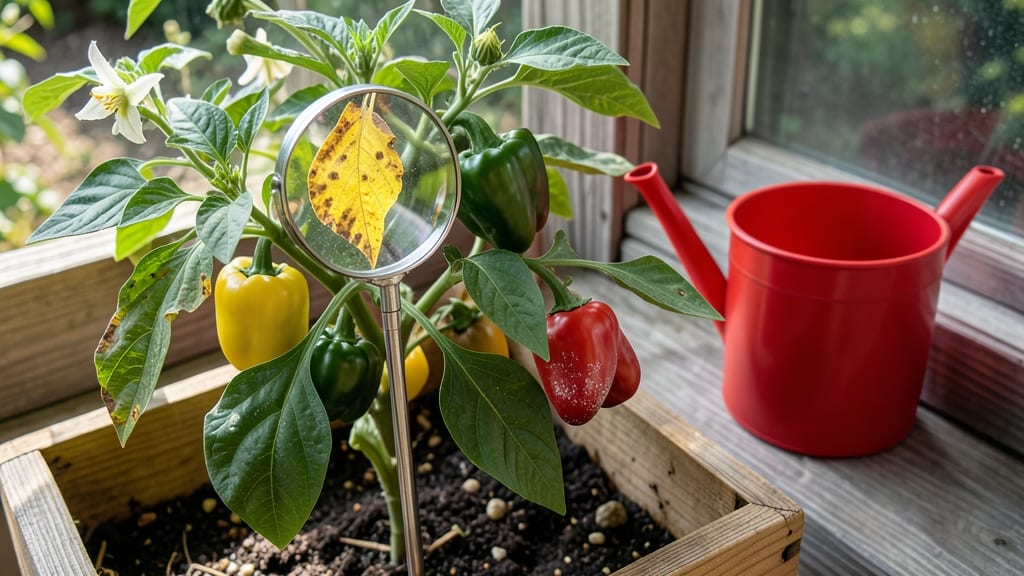
Bell pepper problems like blossom drop and stunted growth can turn a promising crop into a frustrating one—but I’ve fixed these exact issues in my own garden without chemicals. 🌱 The key is understanding what’s really stressing your plants, from calcium deficiencies to temperature swings, and acting fast before the problem spreads.
Most gardeners blame pests first, but the real culprits are often hidden: uneven watering, soil pH imbalances, or even overcrowded plants starving for nutrients.
I’ve seen firsthand how a simple adjustment—like adding crushed eggshells for calcium or spacing plants 18 inches apart—can turn a struggling pepper patch into a productive one within weeks.
By the end, you’ll have a foolproof system to prevent blossom drop, boost fruit set, and keep your peppers thriving from transplant to harvest. No more wasted effort—just vibrant plants and a bounty of sweet, crisp peppers you’ll actually get to enjoy.
Works for container gardens, raised beds, or in-ground plots, and the fixes are all organic and budget-friendly. Let’s get those peppers back on track!
Root Causes Behind Pepper Issues
Bell peppers are finicky plants—when they misbehave, it’s usually because their basic needs aren’t being met. Whether it’s blossom drop, stunted growth, or poor fruit set, the culprits often boil down to environmental stress, nutritional imbalances, or improper care.
Understanding these triggers is the first step to fixing them. Let’s break down the science behind the most common pepper problems.
Bell peppers thrive in warm but not scorching conditions—ideal daytime temps range between 70–85°F (21–29°C), with nights dipping no lower than 55°F (13°C). When temperatures stray outside this range, peppers react in predictable (and problematic) ways:
- Too Hot: Above 90°F (32°C), pollen production in flowers stops entirely. This leads to blossom drop—flowers fall off before pollination, leaving no fruit to develop. High heat also causes sunscald, where fruit turns white or leathery on sun-exposed sides.
- Too Cold: Below 50°F (10°C), pepper plants go into survival mode, halting growth and flowering. Cold snaps can also trigger bacterial or fungal infections (like Phytophthora root rot), weakening the plant’s ability to absorb nutrients.
- Rapid Temperature Swings: Peppers hate inconsistency. A sudden drop from 95°F (35°C) day to 45°F (7°C) night shocks the plant, causing flower abortion and poor fruit set.
Actionable Fix: Use shade cloth (30–50%) during heatwaves, mulch heavily to stabilize soil temps, and avoid planting in low-lying areas where cold air pools. Row covers can protect young plants from late frosts.
Bell peppers are sensitive to moisture fluctuations, and watering mistakes are a top cause of blossom drop, cracking, and disease. Here’s why:
| Problem | Why It Happens | Signs to Watch For |
|---|---|---|
| Underwatering | Peppers need 1–1.5 inches (2.5–4 cm) of water per week. When soil dries out, the plant abscises (drops) flowers to conserve energy. Roots also struggle to uptake calcium, leading to blossom-end rot (black, mushy spots on fruit). | Wilting leaves, crispy edges, flowers falling off, stunted growth. |
| Overwatering | Soggy soil drowns roots, cutting off oxygen and inviting Pythium or Phytophthora fungi. Excess moisture also leaches nutrients, causing nutrient deficiencies (like calcium or boron) that prevent proper fruit development. | Yellowing leaves, mushy stems, powdery mildew, fruit cracking. |
| Inconsistent Watering | Peppers hate dry-wet cycles. Uneven moisture causes cellular stress, leading to blossom drop and fruit splitting as they expand unevenly. Roots also struggle to stabilize the plant. | Uneven fruit growth, cracks in peppers, wilting followed by sudden recovery. |
Actionable Fix:
- Water deeply but infrequently—aim for soil 2–3 inches (5–7 cm) deep to stay moist (but not waterlogged).
- Use drip irrigation or soaker hoses to deliver water at the base, avoiding leaf wetness (which spreads disease).
- Mulch with straw or wood chips to retain moisture and regulate soil temp.
Bell peppers are heavy feeders, but too much (or too little) of certain nutrients throws them off balance. The biggest offenders:
- Nitrogen Overload: Too much nitrogen (from fresh manure or synthetic fertilizers) promotes leafy growth at the expense of flowers and fruit. The plant prioritizes foliage over reproduction, leading to fewer peppers.
- Calcium Deficiency: Calcium is crucial for cell wall strength. A lack of it (often from uneven watering or high potassium) causes blossom-end rot—a telltale black, sunken spot on the pepper’s bottom.
- Boron Shortage: Boron helps with cell division and pollen tube growth. Without it, peppers may set fruit, but it aborts early or develops hollow centers.
- Phosphorus Deficit: Phosphorus fuels flowering and fruit development. A deficiency (common in acidic or sandy soils) leads to small, weak flowers that drop easily.
Actionable Fix:
- Test your soil (pH 6.0–6.8 is ideal for peppers). Amend with lime if too acidic or sulfur if too alkaline.
- Use a balanced fertilizer (10-10-10 or 5-10-10) at planting, then switch to a low-nitrogen, high-phosphorus formula (5-20-20) when flowers appear.
- Add calcium (crushed eggshells or gypsum) and boron (1/4 tsp borax per gallon of water, applied as a foliar spray) if deficiencies are suspected.
Bell peppers are self-pollinating, but they still rely on vibration or wind to shake pollen loose. When pollination fails, flowers drop, and no peppers form. Common causes:
- Lack of Bees or Wind: In greenhouses or urban areas, bees may be scarce. Without their buzzing, pollen doesn’t transfer effectively.
- High Heat or Humidity: Above 90°F (32°C), pepper pollen becomes sterile and fails to fertilize ovules.
- Overcrowded Plants: When peppers are too close together, airflow is restricted, reducing natural vibration that aids pollination.
- Weak or Damaged Flowers: Cold snaps, herbicide drift, or pests can damage flowers before they mature, preventing pollination.
Actionable Fix:
- Hand-pollinate by gently shaking plants in the morning (when humidity is low) or use a small paintbrush to transfer pollen between flowers.
- Plant bee-friendly
Fixing Common Pepper Plant Issues
Now that you understand why your bell peppers might be struggling—whether from blossom drop, pests, nutrient deficiencies, or environmental stress—it’s time to turn things around. Below are practical, step-by-step solutions for each problem, along with prevention tips to keep your plants thriving.
Blossom drop happens when flowers fall off before turning into peppers, often due to temperature swings, overwatering, or poor pollination. Here’s how to stop it:
1. Stabilize Temperature & Light 🔥 Adjust greenhouse/cloche temps – Keep daytime temps between 70–85°F (21–29°C) and nighttime temps above 55°F (13°C).
Avoid sudden drops (like cold nights). 🌡️ Use row covers or shade cloth if temps spike above 90°F (32°C)—peppers hate heat stress. ☀️ Ensure 6+ hours of direct sunlight daily—weak flowers drop if plants aren’t getting enough energy.
2. Improve Pollination
🐝 Hand-pollinate – Gently shake plants or use a small brush to transfer pollen between flowers (especially in greenhouses or rainy climates). 🌬️ Encourage bees – Plant bee-friendly flowers (like marigolds or basil) nearby and avoid pesticides that harm pollinators.
3. Water & Fertilize Smartly
💧 Water deeply but less often – Keep soil consistently moist (not soggy)—fluctuations cause stress. Use drip irrigation for steady moisture. 🌿 Fertilize with phosphorus & potassium – Switch to a balanced 5-10-10 or 10-20-20 fertilizer when flowers appear.
Avoid too much nitrogen (it promotes leaves over fruit).
4. Prevent Stress from Overcrowding
📏 Thin plants – Space bell peppers 18–24 inches apart for better airflow and sunlight penetration. 🌱 Prune suckers (optional) – Remove small shoots growing in the leaf axils to redirect energy to fruit production.
Pests like aphids, spider mites, and hornworms can devastate your crop. Here’s how to eliminate them naturally:
1. Spot & Remove Pests Early
🔍 Inspect leaves daily – Check undersides of leaves for eggs, chewed holes, or sticky residue (aphid honeydew). 🪰 Handpick large pests – Squish tomato hornworms (they’re camouflaged!) or cutworms at night with a flashlight.
2. Use Organic Sprays
🍅 Neem oil spray – Mix 1 tbsp neem oil + 1 tsp mild soap + 1 quart water. Spray every 5–7 days to deter aphids, mites, and whiteflies. 🌿 Insecticidal soap – Effective against soft-bodied pests like aphids.
Spray directly on infested areas. 🐝 Spinosad (organic pesticide) – Targets caterpillars and beetles without harming bees (apply in early evening).
3. Boost Plant Resilience
💪 Companion planting – Surround peppers with basil, marigolds, or onions to repel pests naturally. 🌱 Crop rotation – Avoid planting peppers in the same spot yearly to prevent soil-borne diseases like bacterial spot.
Yellow leaves, stunted growth, or weak stems? Your peppers might be hungry or thirsty. Fix it fast:
1.
Diagnose the Problem | Symptom | Likely Cause | Quick Fix | |---------------------------|---------------------------|---------------| | Yellow lower leaves | Nitrogen deficiency | Add compost or blood meal | | Purple stems/leaves | Phosphorus deficiency | Use bone meal or rock phosphate | | Brown leaf edges | Potassium deficiency | Apply wood ash or banana peel tea | | Weak, spindly plants | Overwatering or poor drainage | Let soil dry slightly between waterings |
2.
Feed the Right Way 🥬 Epsom salt for magnesium – Mix 1 tbsp Epsom salt per gallon of water and spray foliage if leaves turn yellow between veins. 🌿 Fish emulsion or worm castings – A gentle, balanced fertilizer for overall health. ⏰ Avoid over-fertilizing – Too much salt can burn roots—follow package rates!
Extreme heat, cold, or poor soil can shock your peppers into dropping flowers or wilting. Here’s how to create the perfect growing conditions:
1.
Protect from Heat & Cold ❄️ Use black plastic mulch – Warms soil faster in spring and suppresses weeds. 🔥 Provide afternoon shade – Use shade cloth (30–50%) if temps exceed 90°F (32°C). 🌡️ Hardening off seedlings – If starting indoors, acclimate plants to outdoor temps over 7–10 days before transplanting.
2. Improve Soil & Drainage 🪴 Test soil pH – Peppers thrive in slightly acidic to neutral soil (6.0–7.0).
Add lime to raise pH or sulfur to lower it. 💧 Amend heavy clay soil – Mix in compost, perlite, or coconut coir to improve drainage. 🚫 Avoid waterlogged soil – Plant in raised beds or mounds if your garden has poor drainage.
Once you’ve fixed the current issues, keep your peppers healthy long-term with these proactive strategies:
💡 Choose the right variety – Some peppers (like ‘California Wonder’ or ‘Jupiter’) are more heat-tolerant. 🌱 Start seeds indoors – Get a head start (8–10 weeks before last frost) for stronger seedlings. 📅 Plant at the right time – Wait until soil is at least 60°F (15°C) before transplanting. 🌿 Mulch heavily – Straw or grass clippings retain moisture and regulate soil temp. 🔄 Rotate crops – Don’t plant peppers (or tomatoes/eggplants) in the same spot for 3+ years to prevent disease buildup.
With these targeted fixes, your bell peppers should bounce back stronger—producing more fruit, fewer dropped blossoms, and fewer pest problems. Happy growing! 🌱🔥
Frequently asked questions about bell pepper problems
Why are my bell pepper flowers dropping before turning into peppers?
This is usually caused by temperature stress (above 90°F/32°C or below 55°F/13°C), poor pollination, or uneven watering. Peppers also drop flowers when they lack calcium or boron. Try hand-pollinating flowers with a small brush and keep soil consistently moist but not soggy.
What causes black spots on the bottom of my bell peppers?
Those are signs of blossom-end rot, caused by calcium deficiency from uneven watering or poor soil drainage. Fix it by adding crushed eggshells or gypsum to the soil and watering deeply but consistently. Mulching also helps maintain steady moisture levels.
How do I prevent my bell peppers from cracking?
Cracking happens when peppers grow too quickly due to inconsistent watering or nutrient spikes. Water deeply 2–3 times per week instead of daily shallow watering, and avoid heavy fertilizing once fruit starts forming. Mulching helps maintain even soil moisture.
Are my bell peppers getting enough sunlight?
Peppers need 6–8 hours of direct sunlight daily. If they're not getting enough, leaves may turn yellow or plants grow leggy. Move them to a sunnier spot, use reflective mulch, or add a small grow light if growing indoors. Watch for sunscald (white patches) if they get too much afternoon sun.
What should I do if my bell pepper plants have yellow leaves?
Yellow leaves usually mean overwatering or nutrient deficiency. Check soil moisture first—peppers prefer consistently moist but not waterlogged soil. If leaves are yellow with green veins, it's likely iron deficiency; add chelated iron or compost. For nitrogen deficiency (yellowing lower leaves), use fish emulsion or compost tea.