
Pests and Diseases
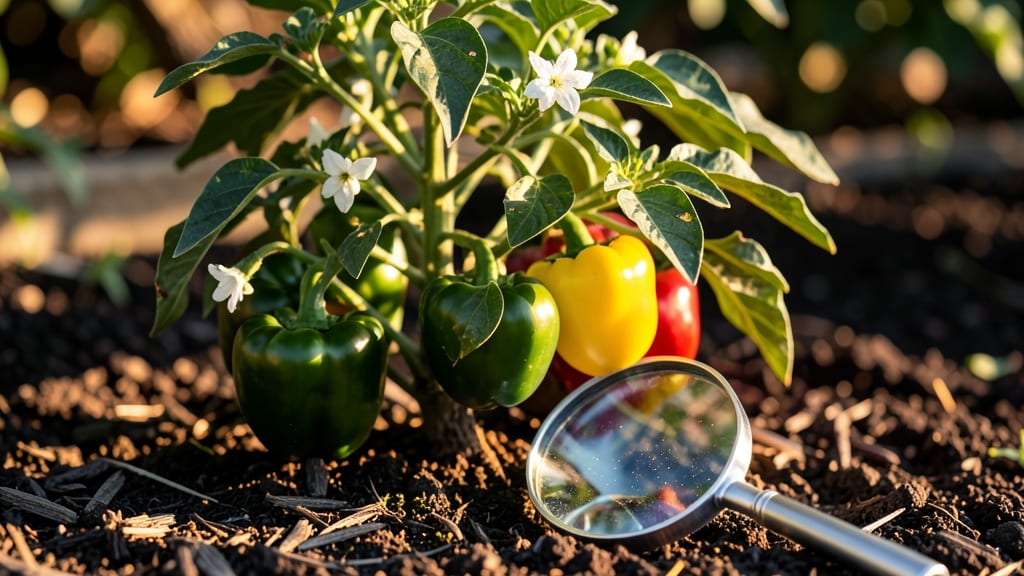
When your bell pepper leaves start curling like a tiny green scroll, 🌿 it’s not just a cosmetic issue—it’s a cry for help from your plants. I’ve seen this happen after a heatwave, a spider mite invasion, or even overzealous watering, and the fixes are simpler than you’d think.
The first step is figuring out whether it’s pests, disease, or environmental stress causing the problem.
Most curling leaves are a sign of pests—tiny spider mites or aphids love the undersides of pepper leaves, sucking out moisture and leaving them puckered. You might also spot webbing or sticky residue.
Other culprits include fungal infections from too much water or nutrient deficiencies when the soil isn’t feeding the plants right. The good news? Each problem has a targeted fix, from neem oil sprays to adjusting your watering schedule.
By the time you’re done diagnosing, you’ll have a clear plan: prune damaged leaves, treat pests organically, or tweak your care routine. Within days, those curled leaves will straighten out, and your peppers will bounce back stronger than before.
The key is acting fast—before the problem spreads to the rest of your garden.
For stubborn cases, don’t hesitate to reach out to your local agricultural extension service. They’ve seen it all and can help you pinpoint what’s really going on. With the right approach, your peppers will be thriving again in no time.
Why it happens
Bell pepper leaves curling can be a garden heartbreaker—especially when you’ve nurtured your plants with care. But don’t panic! This frustrating symptom usually stems from one of several specific triggers, each with a distinct scientific explanation.
Below, we break down the most common culprits behind your peppers’ wavy, puckered, or crispy leaves—so you can diagnose and fix the issue fast.
Bell peppers thrive in warm but stable conditions (ideal daytime temps: 70–85°F / 21–29°C). When exposed to extreme heat (above 90°F / 32°C) or rapid temperature swings, their leaves curl as a protective response to reduce water loss.
This is called heat stress, and it’s common in: - Hot, dry climates (e.g., desert gardens in summer). - Greenhouses where trapped heat spikes suddenly. - Late afternoon sun on unacclimated plants.
Why it happens: Peppers lose water faster than their roots can absorb it, triggering abscisic acid (a plant stress hormone) to curl leaves and slow transpiration. Over time, this can lead to sunburn (white/yellow patches) or stunted growth.
Quick fix: Provide shade cloth (30–50% coverage) during peak sun, mulch heavily to keep roots cool, and water deeply in the morning to prevent evaporation.
Bell peppers hate soggy roots and drought stress, both of which cause leaves to curl upward or inward.
Underwatering (Drought Stress)
- Symptoms: Leaves curl downward, crispy edges, wilting by midday.
- Why it happens: When soil dries out, peppers close stomata (pores) to conserve water, causing leaves to pucker and curl. Chronic drought weakens the plant, making it vulnerable to pests.
Overwatering (Root Rot Risk)
- Symptoms: Leaves curl upward or unevenly, yellowing between veins, mushy stems.
- Why it happens: Waterlogged soil starves roots of oxygen, leading to root rot (fungal/bacterial). The plant can’t absorb nutrients, so leaves curl as a nutrient deficiency signal.
Action steps:
- Check soil moisture 1–2 inches deep—water only when dry.
- Use drip irrigation or soaker hoses to deliver water slowly at the base.
- Ensure pots/containers have drainage holes and raise beds slightly for better airflow.
Curling leaves often signal tiny invaders feeding on sap or eggs. Here’s how to spot them:
| Pest | Leaf Damage | Other Clues |
|---|---|---|
| Aphids | Leaves curl upward, sticky residue (honeydew) | Clusters on undersides, ants may be present. |
| Spider Mites | Leaves curl downward, stippling (tiny white/yellow dots) | Fine webbing on stems/leaves. |
| Thrips | Silver streaks, cupped leaves, buds deform | Found in flowers and new growth. |
| Whiteflies | Yellowing, curling, sticky leaves | Flutter when disturbed; undersides infested. |
Why it happens: Pests inject toxins or damage cells while feeding, triggering curling as a defense mechanism. Heavy infestations lead to stunted peppers or premature drop.
Organic fixes:
- Blast off pests with a strong spray of water (disrupts their life cycle).
- Use neem oil (1 tsp per quart of water) or insecticidal soap (spray undersides).
- Introduce beneficial insects: ladybugs (aphids), predatory mites (spider mites).
If curling is paired with spots, mold, or oozing lesions, a pathogen is likely at play.
Early Blight (Fungal)
- Symptoms: Brown concentric rings on leaves, curling at edges.
- Why it happens: The fungus Alternaria solani thrives in humid, warm conditions (75–85°F / 24–29°C). It enters through damaged leaves (e.g., from hail or overwatering).
Bacterial Leaf Spot
- Symptoms: Water-soaked spots that turn yellow/brown, leaves curl upward.
- Why it happens: Bacteria (Xanthomonas spp.) spread via splashing water or contaminated tools. Overhead watering accelerates infection.
Prevention & treatment:
- Remove infected leaves immediately (sterilize pruners with rubbing alcohol).
- Space plants for airflow (18–24 inches apart).
- Apply copper fungicide (for bacterial issues) or baking soda spray (1 tbsp baking soda + 1 quart water + few drops of soap) weekly as a preventative.
Peppers are heavy feeders, and imbalances in soil nutrients can cause curling.
Common Deficiencies:
- Nitrogen (N): Leaves curl and yellow (older leaves first). Peppers need steady nitrogen for leaf growth.
- Potassium (K): Marginal curling, weak stems, poor fruit set.
Potassium helps osmotic regulation (water balance). - Calcium (Ca): New leaves curl upward, may show blossom-end rot on peppers. Calcium aids cell wall strength.
Toxicities:
- Too much salt/sodium: Leaves curl and crisp, brown edges. Common in over-fertilized or poor-quality soil.
- Heavy metals (e.g., copper): Can cause leaf scorch and curling if soil pH is too low.
Fix it:
- Test soil (pH should be 6.0–6.8 for peppers).
- Amend soil with compost or balanced organic fertilizer (e.g., 5-5-5).
- Flush soil with water if salinity is suspected (leach excess salts).
Even well-cared-for peppers can curl if their roots are stressed during:
- Transplanting (roots disturbed, not hardened off).
- Wind/physical damage (e.g., strong gusts bending stems).
- Compacted soil (restricts root growth).
Why it happens: Roots can’t absorb water/nutrients efficiently, so leaves curl to minimize water loss. New growth may also stunt or deform.
Recovery tips:
- Water deeply after transplanting to encourage root spread.
- Stake or cage plants to prevent wind damage.
- Loosen soil around roots if compacted (gently fork 2–3 inches deep).
Not all curling is bad! Some varieties (e.g., ‘Shishito’ or ‘Jalapeño’) have naturally wavy leaves, especially in high humidity. If your peppers are otherwise healthy, green, and productive, it might just be their normal growth pattern.
How to tell:
- No pests, spots, or wilting? Likely genetic.
- Leaves are thick and vibrant? Probably fine!
- New growth is normal? No urgent action needed.
Pro Tip: 🔍 Keep a garden journal! Note when curling starts (after rain? heatwave?), the plant’s age, and any other symptoms. This helps pinpoint the exact cause next time.
Fixing Curled Pepper Leaves Naturally
Bell pepper leaves curling can be frustrating, but with the right approach, you can restore your plants to full health—without harsh chemicals. Below are targeted solutions for each common cause, along with prevention tips to keep your peppers thriving. Let’s get your plants back on track!
Fix: Adjust your watering habits and improve soil aeration.
- 💧 Reduce Watering Frequency
- Let the top 1–2 inches of soil dry out between waterings. Overwatering suffocates roots and encourages fungal issues.
- Test: Stick your finger in the soil—if it’s damp, wait another day.
- 🏗️ Improve Soil Drainage
- Amend heavy or compacted soil with compost, perlite, or coarse sand (50/50 mix with potting soil).
- If growing in containers, ensure pots have drainage holes and use a well-draining potting mix.
- 🌿 Prune Affected Leaves
- Remove severely curled or yellowed leaves to redirect energy to healthy growth.
💡 Prevention Tip:
- Use mulch (straw or wood chips) to retain moisture without over-saturating the soil.
- Water early in the day to allow foliage to dry, reducing fungal risks.
Fix: Isolate, treat, and monitor for reinfestation.
- 🔍 Identify the Culprit
- Aphids: Tiny green/black bugs clustered on undersides of leaves.
- Spider Mites: Fine webbing + stippled leaves.
- Thrips: Tiny black specks + silver streaks on leaves.
- 🚿 Blast Off Pests
- Strong water spray (direct stream to undersides) dislodges aphids and eggs.
- Repeat every 3–4 days for 2 weeks.
- 🌿 Natural Sprays - Neem oil spray (1 tbsp neem oil + 1 tsp mild soap + 1 quart water).
Spray evening or cloudy days to avoid burning leaves. - Insecticidal soap (follow label rates) for mites and aphids. - Homemade garlic spray: Blend 2 cloves garlic + 1 quart water, strain, and spray (reapply weekly).
- 🕷️ Introduce Beneficial Predators
- Ladybugs (eat aphids), lacewings (devour mites), or predatory mites (for spider mites).
💡 Prevention Tip:
- Reflective mulch (aluminum foil or silver plastic) confuses thrips and reduces egg-laying.
- Rotate crops annually to break pest life cycles.
Fix: Provide shade and optimize growing conditions.
- 🌞 Shield from Intense Sun
- Use shade cloth (30–50%) during peak afternoon sun (12–4 PM).
- Plant in a location with partial shade (e.g., dappled sunlight under trees).
- 💦 Boost Hydration
- Water deeply in the morning to help leaves retain moisture.
- Use mulch to lock in soil moisture.
- 🌿 Trim Problematic Leaves
- Remove severely curled or crispy leaves to prevent further stress.
💡 Prevention Tip:
- Hardening off seedlings gradually before transplanting to outdoor heat.
- Choose heat-tolerant varieties like ‘Carmen,’ ‘Jupiter,’ or ‘Aristotle’ for hot climates.
Fix: Improve airflow and apply fungicides preventatively.
- ✂️ Prune for Airflow
- Remove crowded branches and dead leaves to reduce humidity around plants.
- Space plants 18–24 inches apart for better airflow.
- 🌿 Copper or Sulfur Sprays
- Baking soda spray (1 tsp baking soda + 1 quart water + few drops of soap) for powdery mildew.
- Copper fungicide (follow label) for early blight.
- 🌱 Soil Sterilization
- Solarize soil in spring by covering with clear plastic for 4–6 weeks to kill fungal spores.
💡 Prevention Tip:
- Water at the base (avoid wetting leaves) to prevent fungal spores from spreading.
- Rotate crops—don’t plant peppers in the same spot yearly.
Fix: Test soil and amend with organic fertilizers.
- 📊 Test Your Soil
- Use a DIY soil test kit or send a sample to a local extension office for analysis.
- 🌿 Organic Fertilizer Fixes
- Yellowing leaves? Add compost or fish emulsion (high in nitrogen).
- Curling + brown edges? Sprinkle crushed eggshells (calcium) around the base.
- Purple stems? Mix Epsom salt (1 tbsp/gal water) for magnesium.
- 🍄 Avoid Over-Fertilizing
- Too much nitrogen causes soft, sappy growth—prone to pests. Use a balanced 5-5-5 or 10-10-10 fertilizer.
💡 Prevention Tip:
- Side-dress with compost every 4–6 weeks for steady nutrient release.
- Mulch heavily to prevent nutrient leaching in rainy climates.
Fix: Loosen roots and improve growing conditions.
- 🌱 Gently Loosen Roots
- If in pots, check roots—if circling tightly, repot into a larger container.
- For in-ground plants, dig around the base to aerate soil (avoid damaging roots).
- 💧 Water Deeply After Repotting
- Helps roots establish in fresh soil.
- 🌿 Add Organic Matter
- Mix compost or worm castings into the soil to improve structure.
💡 Prevention Tip:
- Avoid walking on garden beds to prevent compaction.
- Use raised beds for heavy clay soils to improve drainage.
Final Thought: 🎯 Act fast—the sooner you address curled leaves, the quicker your peppers will bounce back! Combine one fix per issue, monitor daily, and your plants will be thriving in no time. Happy gardening! 🌿🔥
Frequently asked questions
Why do my bell pepper leaves curl downward but stay green?
Downward curling with green leaves usually signals underwatering or heat stress. Peppers close their stomata (pores) to conserve water, causing leaves to pucker. Check soil moisture 1-2 inches deep—if dry, water deeply in the morning. For heat stress, provide afternoon shade with 30-50% shade cloth.
Are spider mites the only pests that cause leaf curling?
No! While spider mites (with their fine webbing) are common, aphids (sticky honeydew), thrips (silver streaks), and whiteflies (fluttering when disturbed) also trigger curling. Inspect leaf undersides with a magnifying glass—each pest leaves distinct clues. Neem oil or insecticidal soap works for all of them.
Can over-fertilizing make bell pepper leaves curl?
Too much nitrogen causes soft, sappy growth that curls, while salt buildup from fertilizers leads to crispy, brown-edged leaves. Flush the soil with water if you suspect over-fertilization, and switch to a balanced 5-5-5 fertilizer. Always water thoroughly after applying fertilizer to prevent salt accumulation.
How do I tell if my pepper plant is just naturally curly-leaved?
If your peppers are otherwise healthy, vibrant, and productive with no pests, spots, or wilting, the curling might be genetic—especially in varieties like Shishito or Jalapeño. Look for uniform curling across all leaves (not just new growth) and check for any hidden pests on undersides.
Will pruning curled leaves help my plant recover faster?
Yes! Removing severely curled or damaged leaves redirects the plant's energy to healthy growth. Use clean pruners to snip leaves at the base, and dispose of them (don't compost if pests are present). Focus on leaves that are more than 30% damaged—smaller curls may straighten on their own with proper care.