
Vegetables
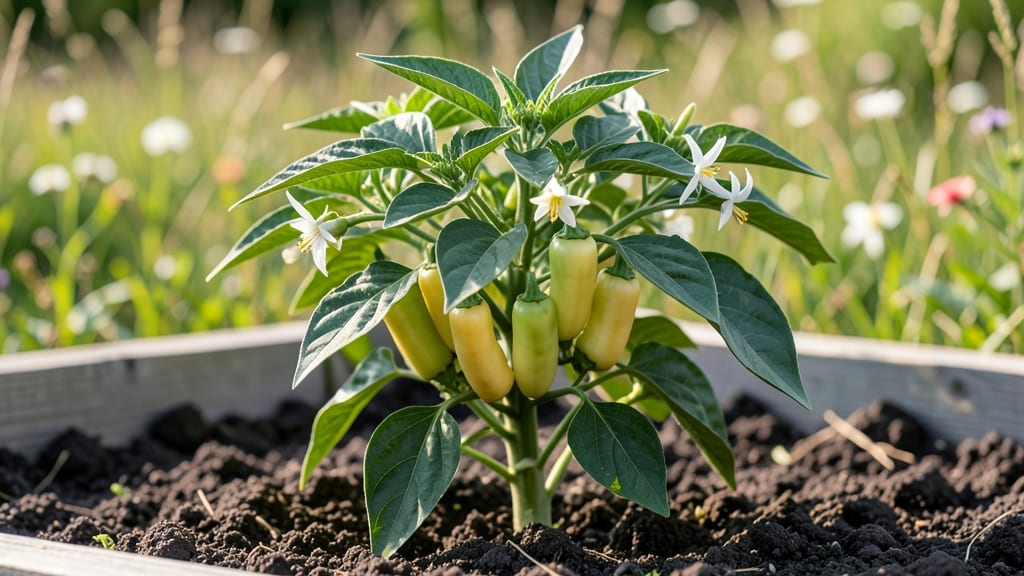
The banana pepper spice level ranks between 0 and 500 Scoville Heat Units (SHU), offering a gentle, slightly sweet heat that's barely noticeable but adds a subtle fruity depth. This makes them perfect for beginners or anyone wanting a mild kick in their dishes.
Banana peppers sit at the lower end of the Scoville scale, making them one of the mildest peppers you can find. 🔥 Unlike their hotter cousins like jalapeños or habaneros, they don’t deliver a sharp burn but instead contribute a bright, almost citrusy note that enhances flavors without overpowering them.
Their low capsaicin content means you can enjoy their taste without worrying about heat—ideal for pickling, stuffing, or blending into salsas where you want flavor without intensity.
What sets banana peppers apart is their versatility. You’ll often find them pickled in jars, sliced into salads, or even stuffed with cheese for a gentle heat that pairs beautifully with creamy or tangy ingredients.
Their mild profile makes them a favorite for those transitioning from sweet bell peppers to slightly spicier options, offering just enough complexity to elevate dishes without dominating them.
💡 In This Article
- Scoville Heat Ranking: Where Banana Peppers Fit
- Best Culinary Uses for Mild Banana Pepper Heat
Scoville heat ranking: where banana peppers fit
The Scoville scale measures capsaicin concentration—the compound responsible for heat perception—and banana peppers register between 0 and 500 Scoville Heat Units (SHU), placing them alongside bell peppers but with a distinct fruity undertone. For comparison, a jalapeño sits at 2,500-8,000 SHU, while habaneros blast at 100,000-350,000 SHU.
This low capsaicin content means banana peppers deliver heat without the fiery sting, making them perfect for heat-sensitive palates.
What makes banana peppers unique is their sweetness-to-heat ratio. Their natural sugars (about 4-6 grams per 100 grams) balance the minimal capsaicin, creating a flavor profile that’s both mild and complex.
The heat you do taste is more of a gentle warmth than a sharp burn, often described as a cross between a bell pepper’s crispness and a banana’s subtle sweetness. This duality explains why they’re often used in dishes where you want flavor without intensity.
Capsaicin distribution matters too. Unlike hotter peppers where heat concentrates in the veins and seeds, banana peppers distribute capsaicin evenly throughout their flesh. This means every bite delivers consistent mildness—no surprises when you take a second slice!
The yellow or orange varieties tend to be slightly sweeter, while the red ones lean toward a brighter, more tangy profile. 🌶️
For context, imagine a jalapeño’s heat as a quick, sharp punch versus a banana pepper’s gentle warmth—a difference akin to comparing a spritz of lemon juice to a full squeeze. This mildness isn’t just about SHU numbers; it’s about how capsaicin interacts with your pain receptors.
Banana peppers trigger them so lightly that most people barely register the heat, yet their presence still adds depth to dishes.
Science backs this up: the human tongue’s heat threshold for capsaicin is around 10,000 SHU, meaning banana peppers (at 500 SHU) barely register on the pain scale. That’s why they’re often recommended for kids or adults new to spice—you get the pepper’s flavor without the burn.
Their versatility stems from this balance, allowing them to shine in everything from pickles to stuffed peppers.
Consider this: if you’ve ever eaten a jalapeño without noticing heat (because it was immature or underripe), that’s similar to what a banana pepper delivers consistently. The key difference?
Banana peppers always stay mild, while jalapeños can vary wildly based on ripeness or growing conditions. This reliability makes them a chef’s secret weapon for controlled spice.